SCHOOL READINESS & TRANSITION SUPPORT

Building Confidence for the Next Stage

Starting school is an important transition for children and families.
Our School Readiness & Transition Support service helps children build practical skills that can support participation in early learning and school environments, while also helping parents and carers feel more confident about the transition.
Support may focus on communication, routines, social interaction, independence, emotional regulation, group participation and confidence in new environments.
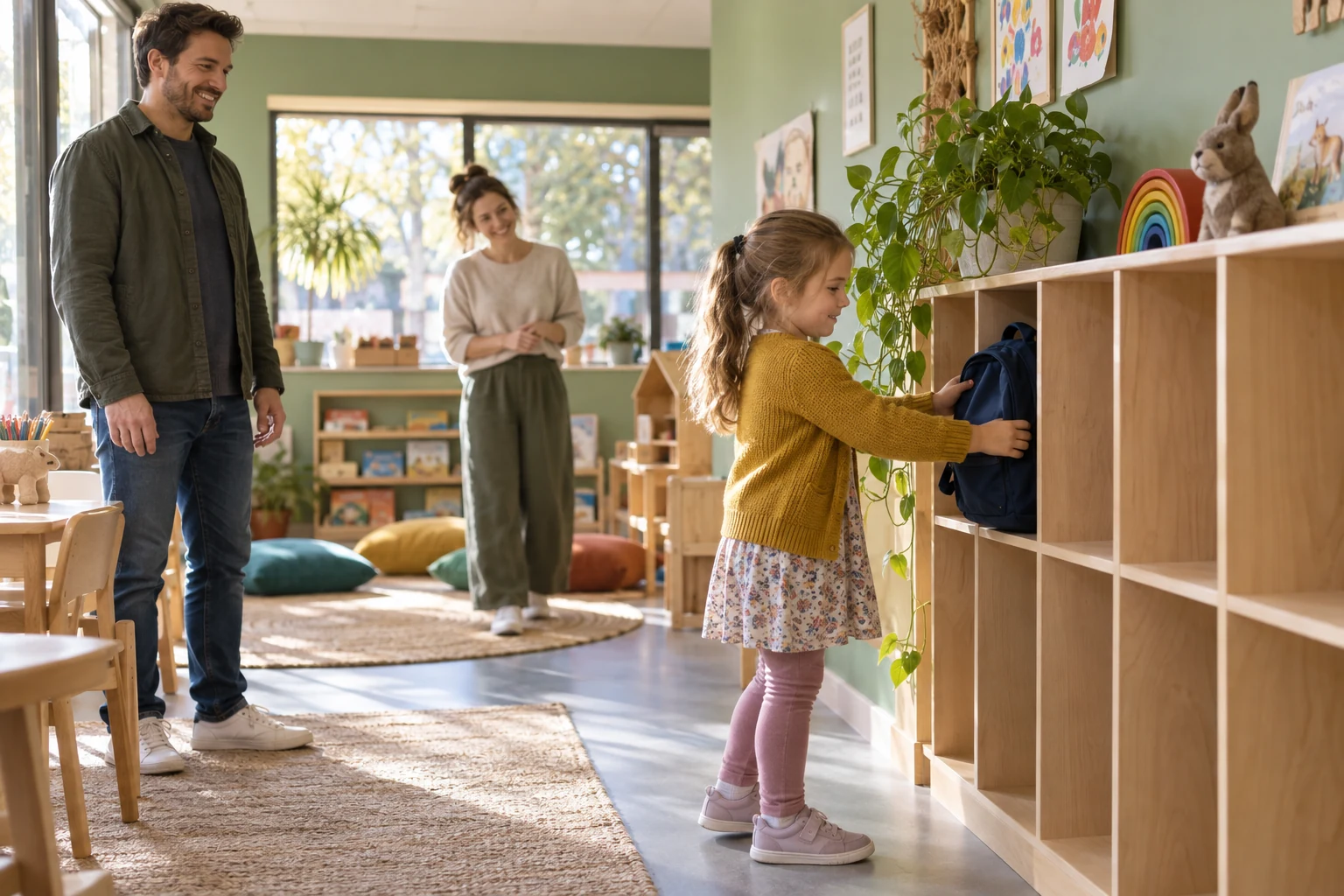
A child practising a school arrival routine with a parent and educator.

Who Is School Readiness Support For?

This service is designed for children approaching school age who may benefit from additional support with areas such as:
  • Communication
  • Expressing needs
  • Following routines
  • Participating in groups
  • Social interaction
  • Cooperative play
  • Emotional regulation
  • Independence
  • Self-help skills
  • Transitions between activities
  • Confidence in unfamiliar environments
It may also support parents and carers who want practical guidance on how to help their child prepare for school.
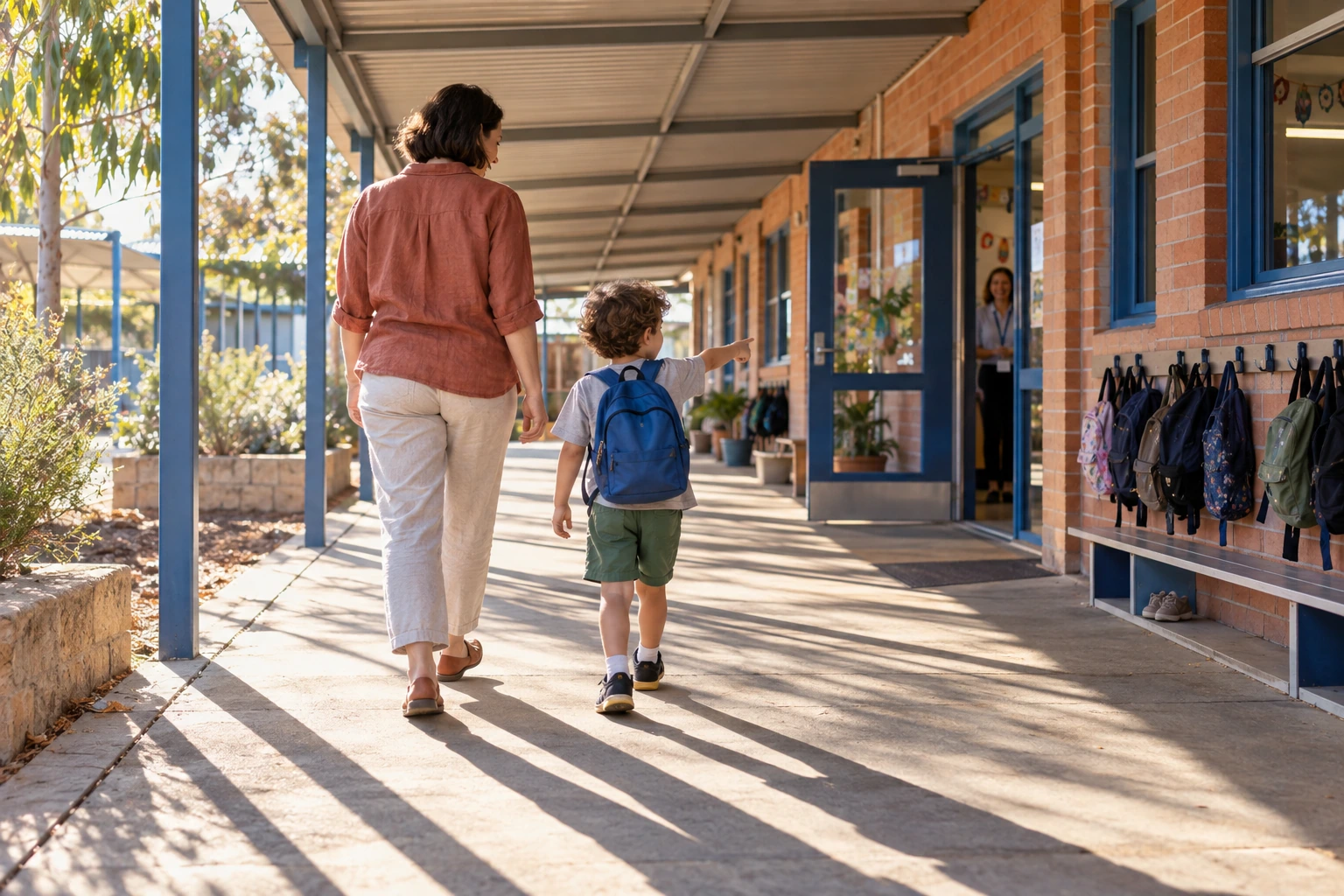
A child walking towards school with a parent.

What Does School Readiness Mean?

School readiness is about more than knowing letters, numbers or colours.
For many children, feeling ready for school also involves being able to:
  • Communicate needs
  • Participate in routines
  • Join group activities
  • Interact with others
  • Manage transitions
  • Build independence
  • Ask for help
  • Follow simple expectations
  • Feel comfortable in new environments
Our approach focuses on these practical participation skills.
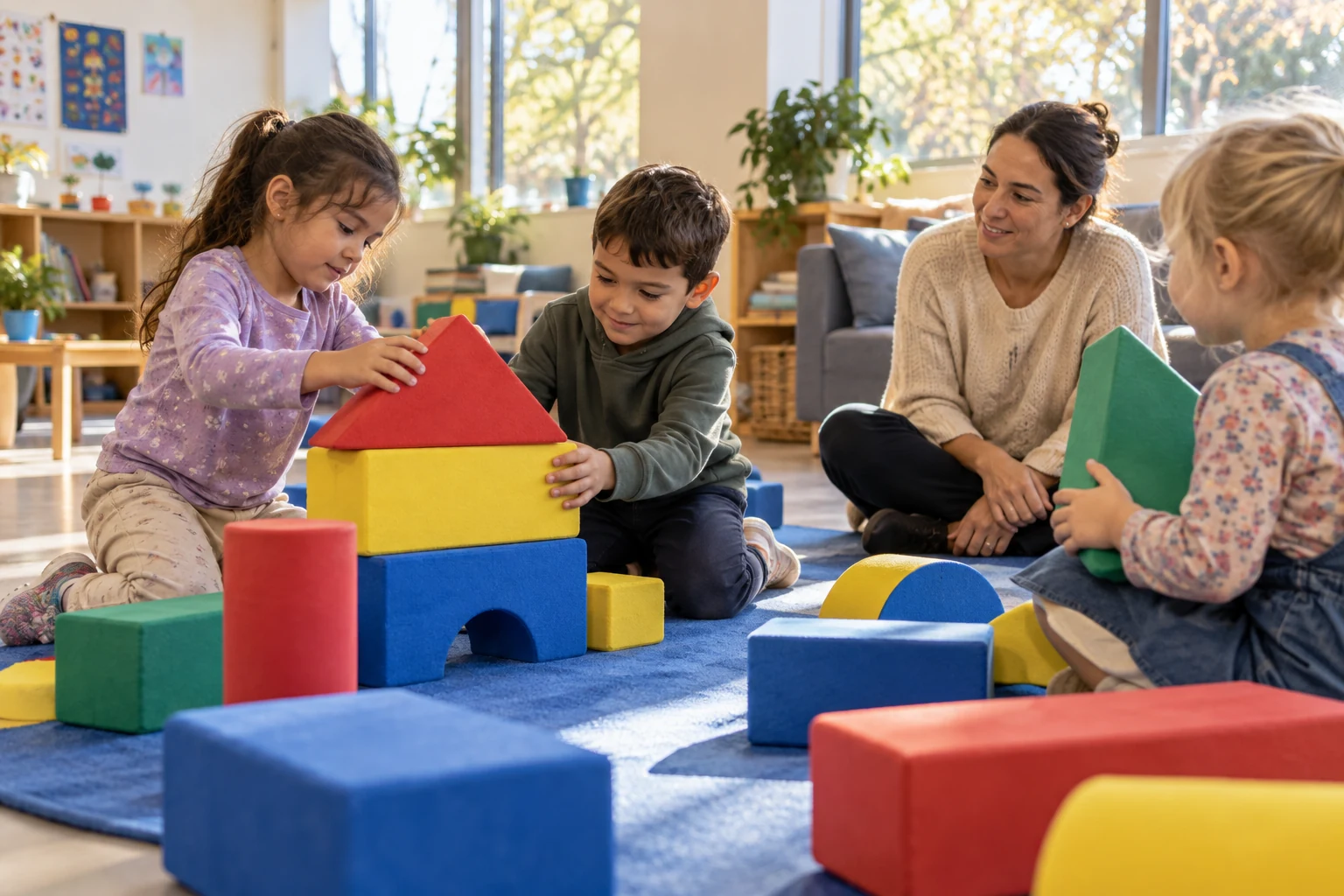
Children working together on a large construction activity.

Communication

Being able to communicate helps children participate more confidently at school.
Support may focus on helping children:
  • Express needs
  • Make choices
  • Ask for help
  • Respond to others
  • Participate in conversations
  • Understand simple instructions
  • Communicate during group activities
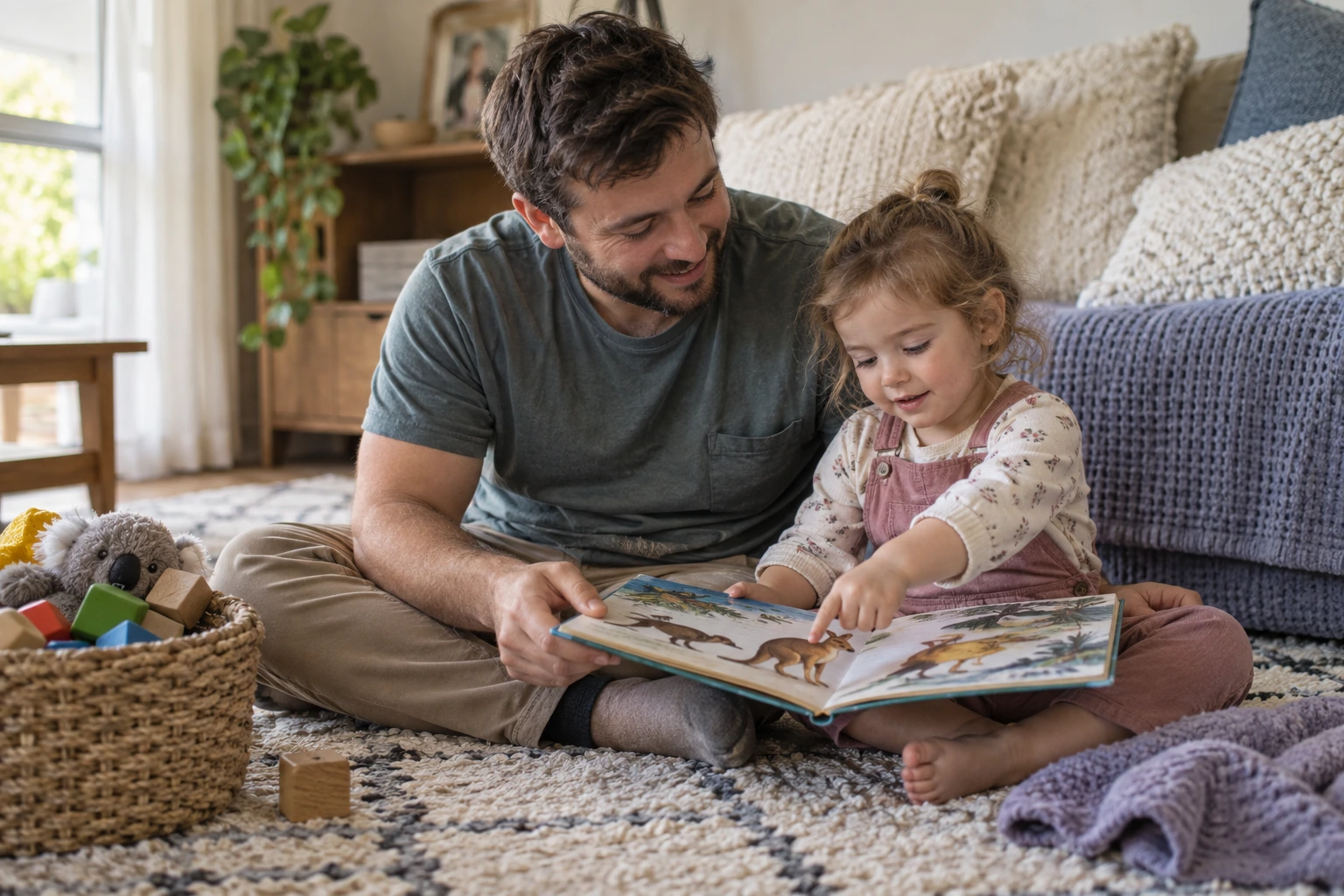
A parent and child sharing a picture book.

Following Everyday Routines

School environments involve many routines.
Children may need to move between activities, follow group expectations and participate in structured parts of the day.
Support may help children practise:
  • Arriving and settling in
  • Moving between activities
  • Following simple routines
  • Waiting for a turn
  • Packing away
  • Joining group activities
  • Responding to changes
  • Getting ready to leave
Building familiarity with routines can help children feel more confident when they begin school.
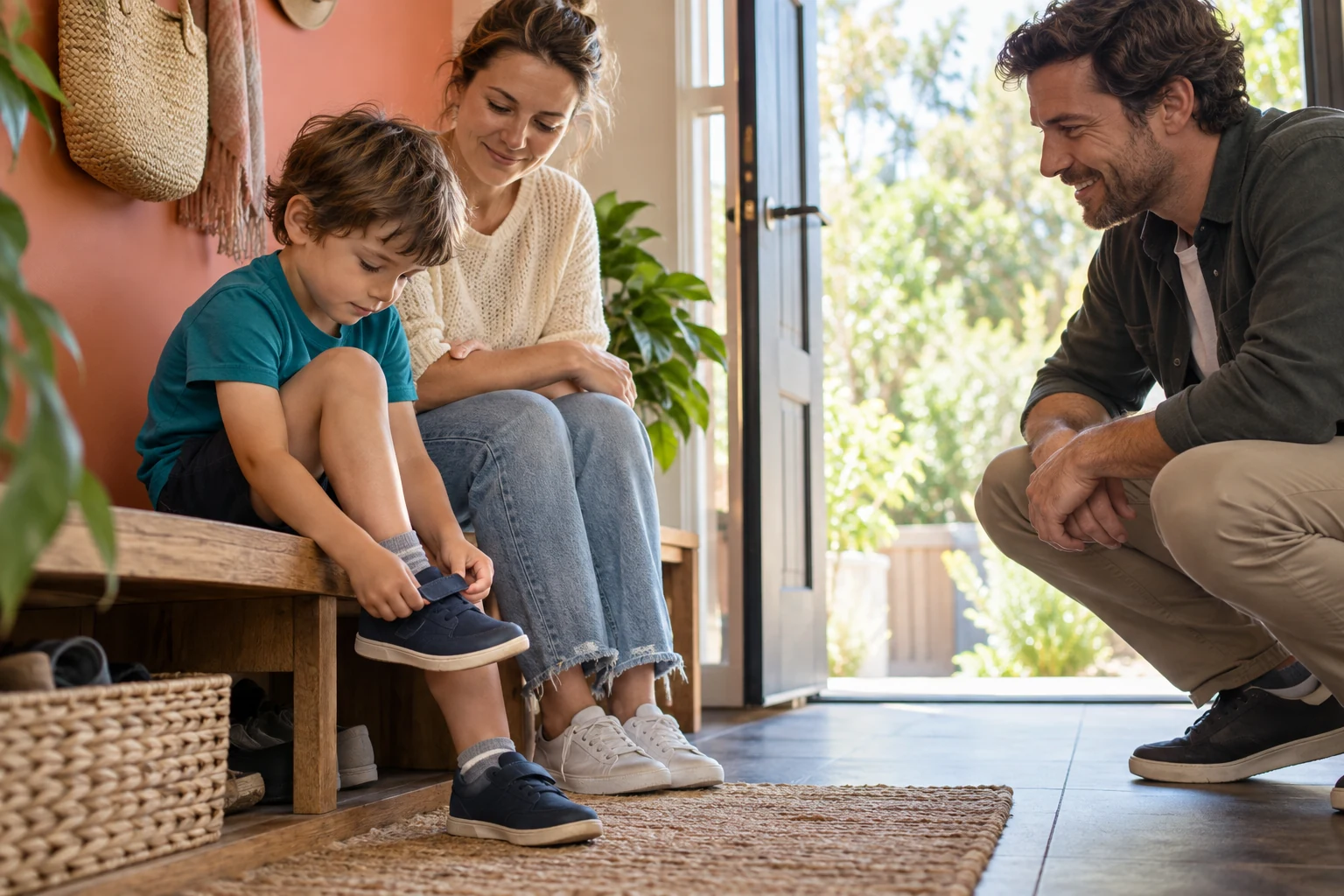
A child practising putting on shoes with a parent nearby at home.

Group Participation

Children are often expected to spend time learning and playing with others.
School readiness activities may provide opportunities to practise:
  • Listening in a group
  • Taking turns
  • Following group instructions
  • Joining activities
  • Working alongside others
  • Waiting
  • Making choices
  • Participating in cooperative tasks
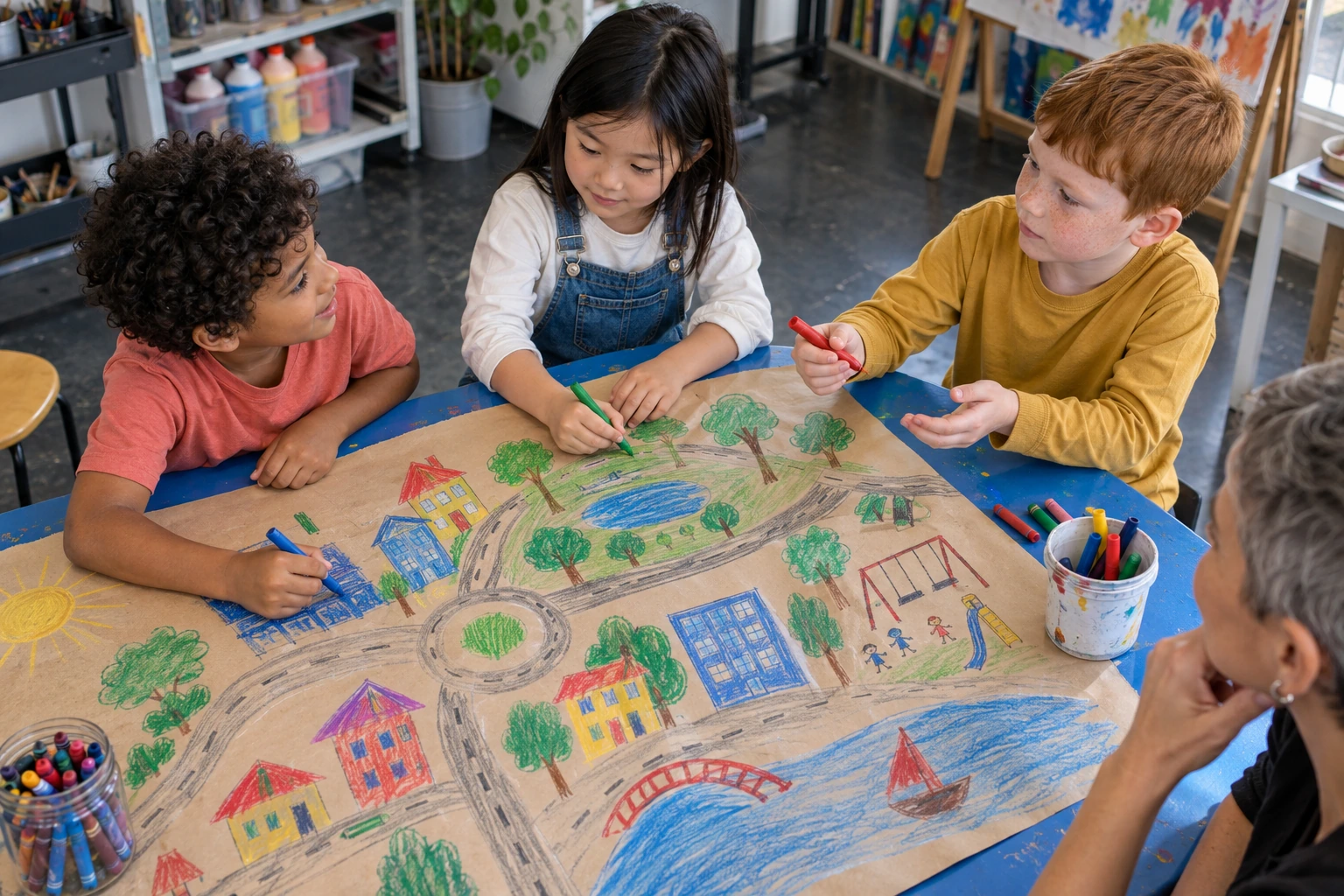
Children creating a shared drawing and taking turns.

Social Interaction & Cooperative Play

Positive social experiences can help children feel more comfortable in school environments.
Support may focus on:
  • Joining play
  • Sharing space
  • Taking turns
  • Responding to others
  • Cooperative activities
  • Expressing feelings
  • Building friendships
  • Managing small disagreements
  • Participating alongside peers
Children are supported in ways that respect their individual communication style and comfort level.
A parent and two children exploring sounds together in a community play space.

Emotional Regulation

New environments and routines can sometimes feel overwhelming.
We can help families support children to:
  • Recognise emotions
  • Express when something feels difficult
  • Ask for support
  • Manage transitions
  • Use predictable routines
  • Develop practical calming strategies
  • Build confidence with unfamiliar situations
The aim is to support participation rather than expecting every child to respond in the same way.
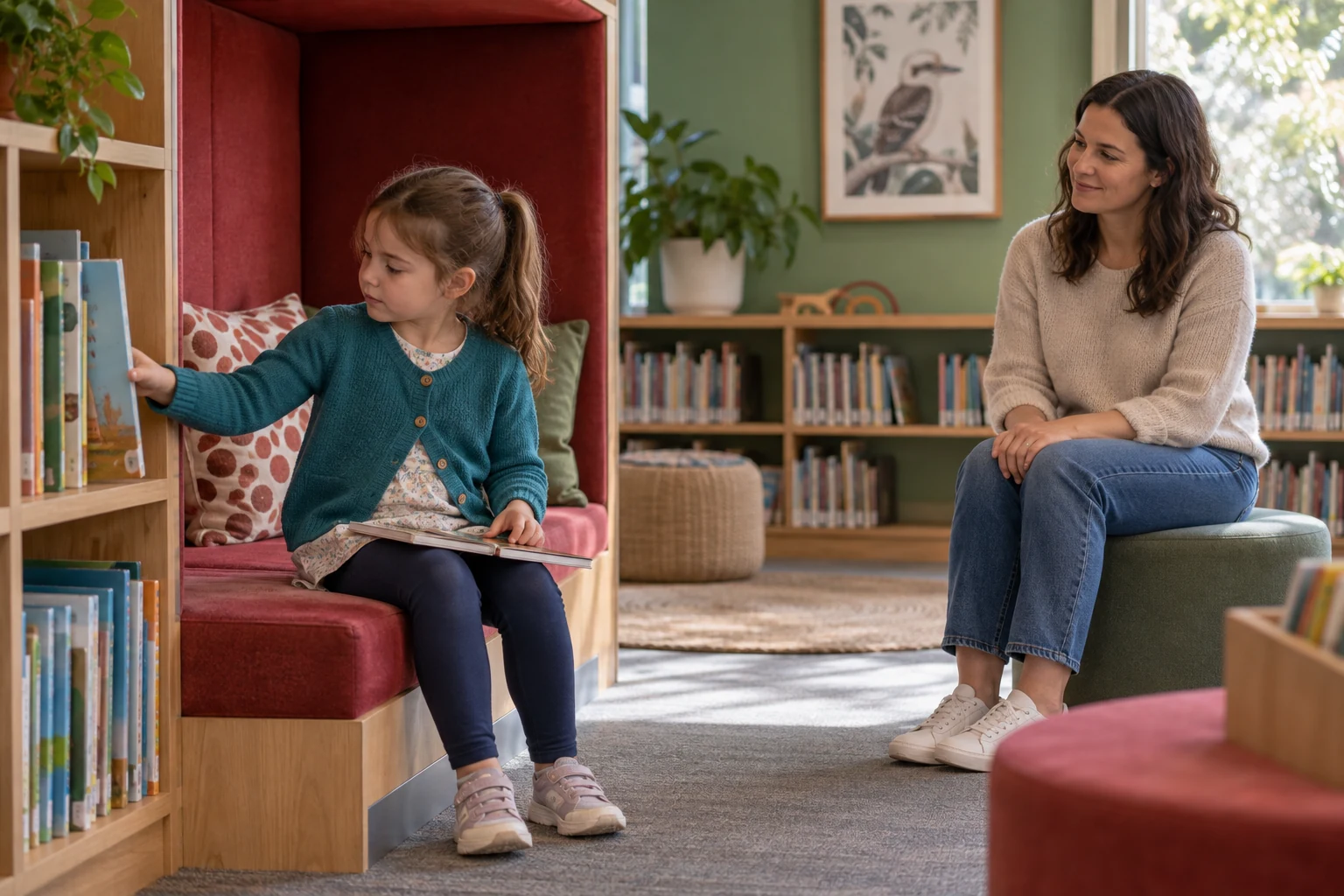
A child choosing a book with a practitioner nearby.

Building Independence

Growing independence can help children feel more confident as they begin school.
Depending on age and development, this may include:
  • Managing belongings
  • Making choices
  • Following simple instructions
  • Participating in dressing or self-care
  • Communicating when help is needed
  • Moving between activities
  • Completing age-appropriate tasks
  • Participating in everyday routines
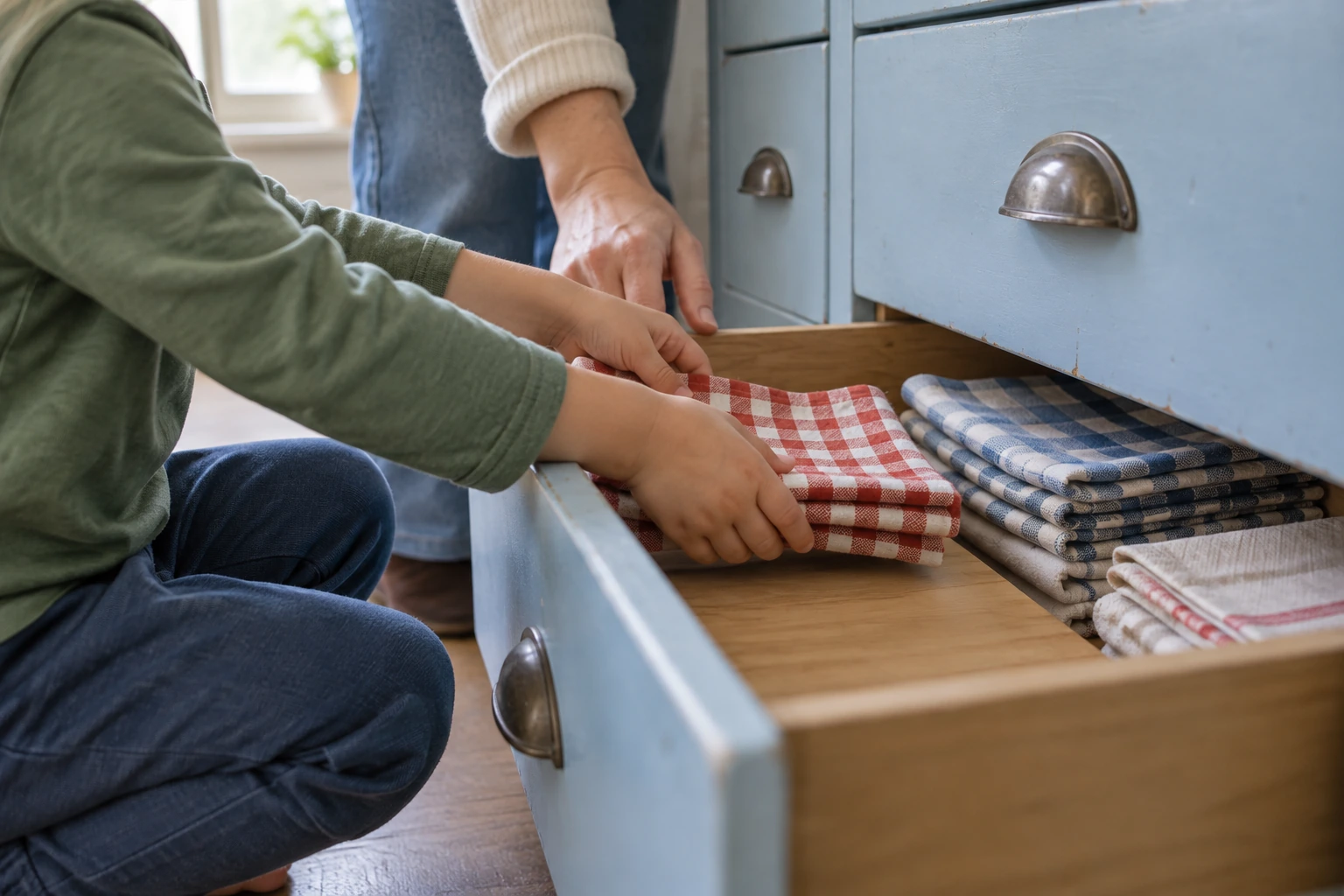
A child practising an everyday task with a parent nearby.

Preparing for Transitions

Transitioning from home or early childhood settings into school can involve many changes.
Children may need to become familiar with:
  • Different adults
  • Larger groups
  • New routines
  • Different environments
  • New expectations
  • Longer periods away from family
  • Moving between activities
Support may help children practise flexibility, communication and participation so the transition feels more manageable.
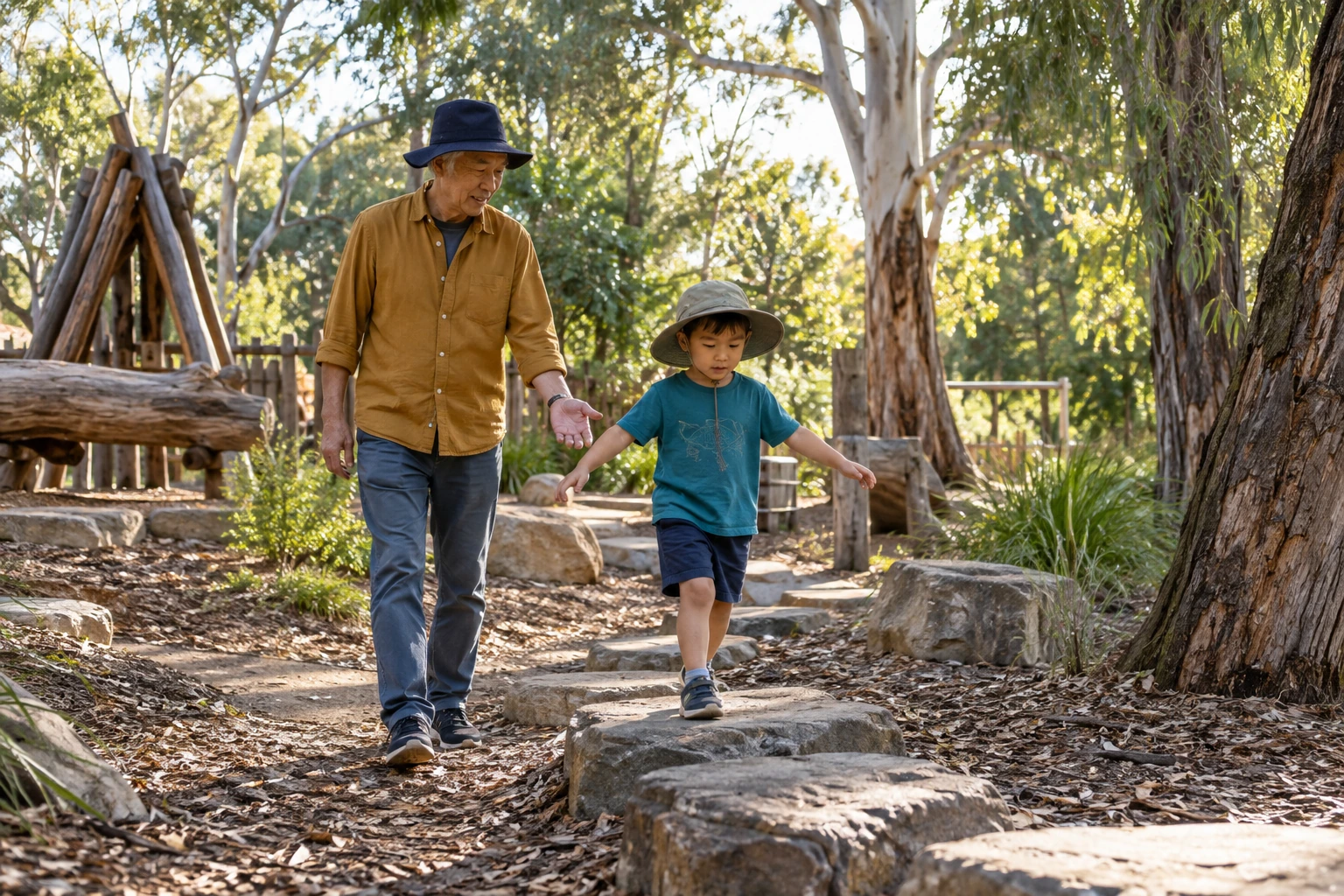
A child and grandparent exploring stepping stones outdoors.

Supporting Parents and Carers

Parents and carers are an important part of school readiness.
We can help families understand how everyday activities can support skills needed for school.
This may include practical strategies during:
  • Morning routines
  • Mealtimes
  • Getting dressed
  • Reading
  • Playing
  • Community outings
  • Group activities
  • Transitions
  • Bedtime routines
Parents and carers may also receive guidance about how to support confidence and consistency during the transition period.
A mother explaining her priorities to a practitioner.

Working With Early Childhood Services and Schools

Where appropriate and with parent or authorised carer consent, our team may work alongside early childhood services, schools and other relevant services to support continuity.
This may help:
  • Share relevant information
  • Clarify family goals
  • Support transition planning
  • Reduce unnecessary duplication
  • Strengthen communication between services
  • Connect families with additional support where needed
Any collaboration or information sharing is subject to family consent and relevant privacy requirements.
Practitioners exchanging ideas during a collaborative learning session.

A Strengths-Based Approach

School readiness should not be about focusing only on what a child cannot do.
We begin with the child's strengths.
Practitioners may consider:
  • What the child enjoys
  • How they communicate
  • What routines are already successful
  • What helps them feel confident
  • Their interests
  • Their existing independence
  • How they participate with others
These strengths can then be used as a foundation for further development.
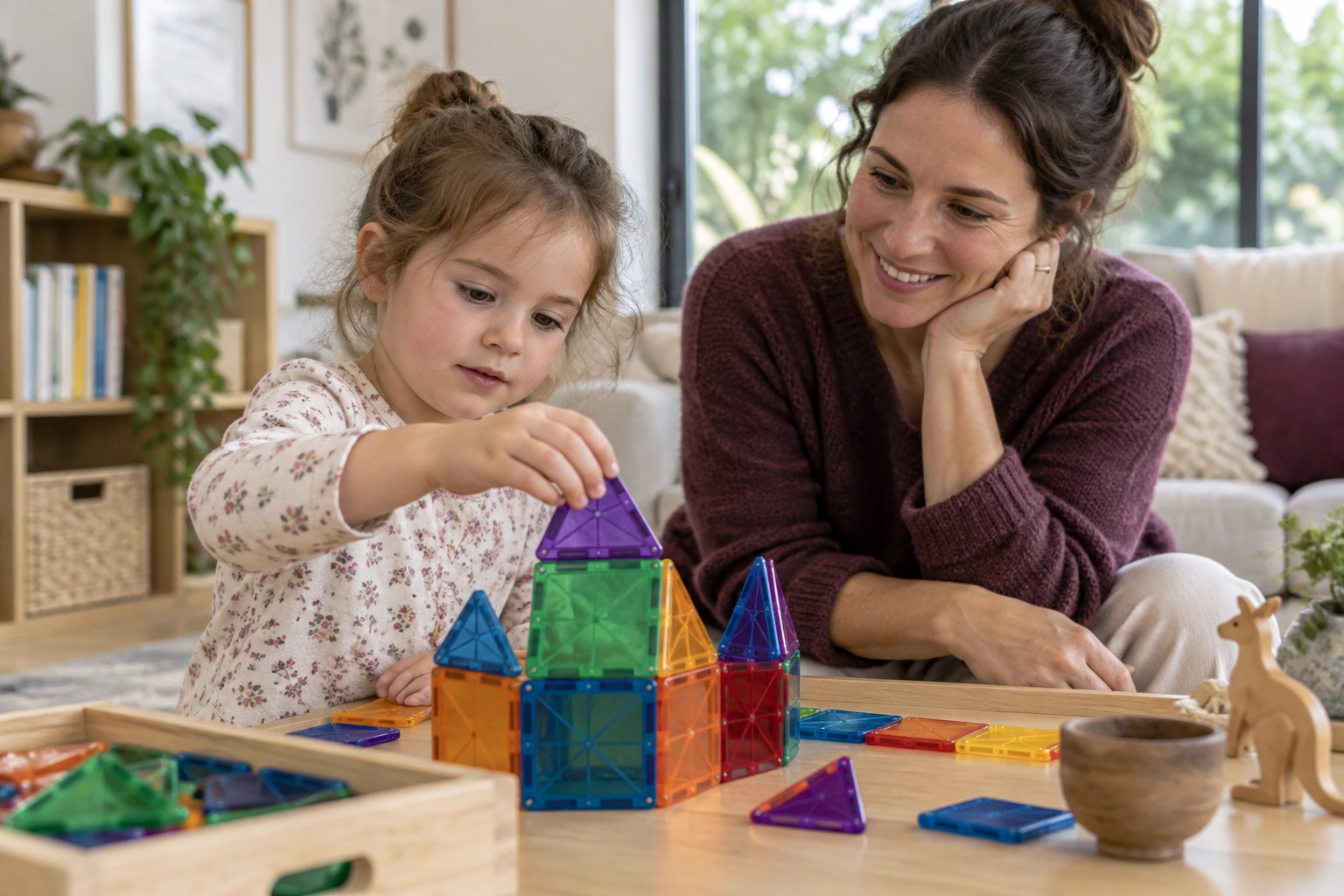
A child building with colourful tiles while a parent follows their lead.

Support in Familiar Environments

School-readiness support can take place in environments where children naturally learn and participate.
This may include:
  • Community-based groups
  • Early childhood settings
  • Schools or school-transition environments
  • Family homes
  • Community centres
  • Child and Parent Centres
  • Libraries
  • Other suitable community settings
Supporting children in familiar environments can help families practise strategies in real situations.
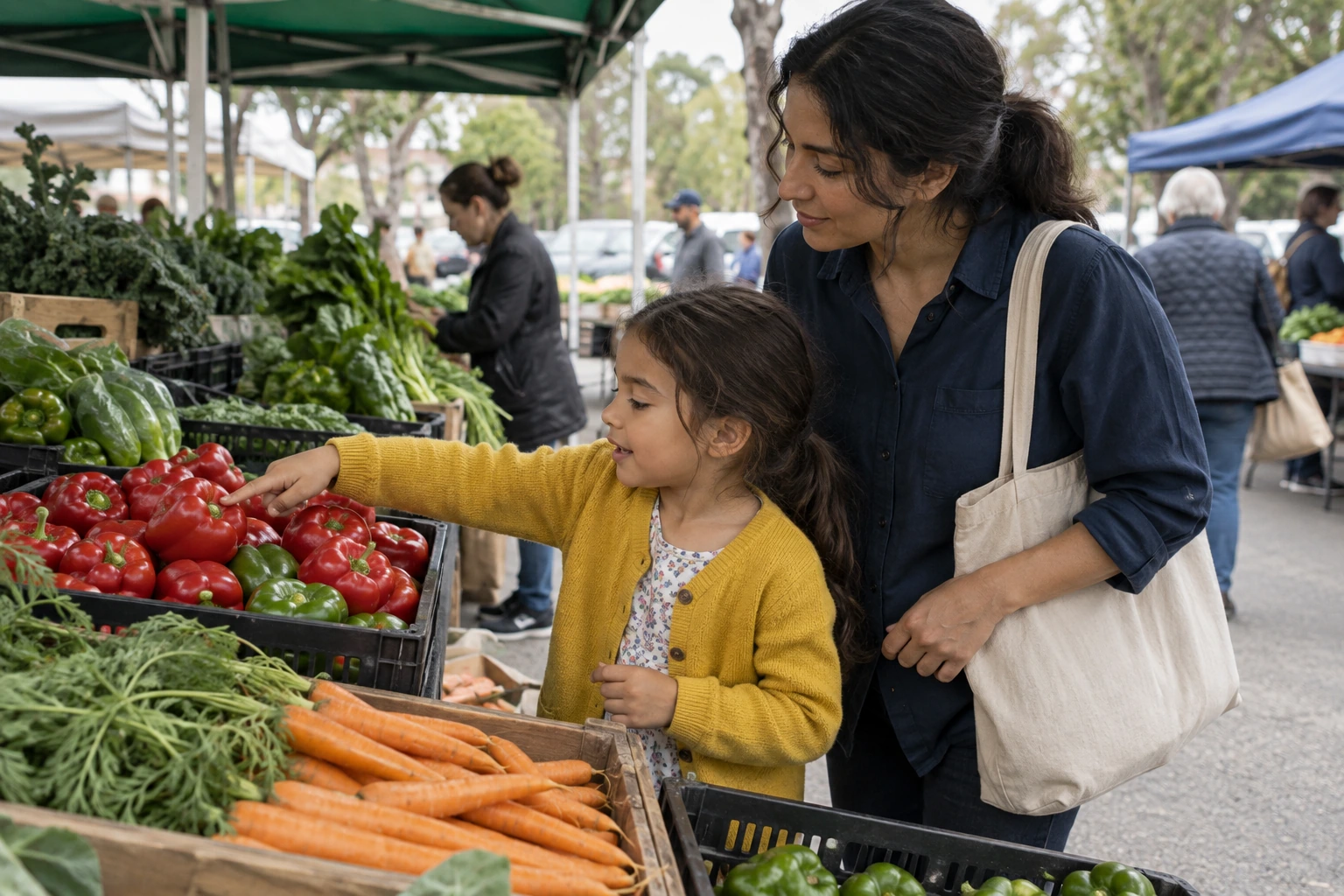
A parent and child choosing produce together.

Culturally Responsive Support

Families approach school transition in different ways depending on their culture, language, values and previous experiences.
We aim to respect each family's circumstances and preferences.
Where appropriate and available, support may include:
  • Multilingual practitioners
  • Bicultural workers
  • Qualified interpreters
  • Culturally responsive information
  • Support understanding Australian early childhood and school systems
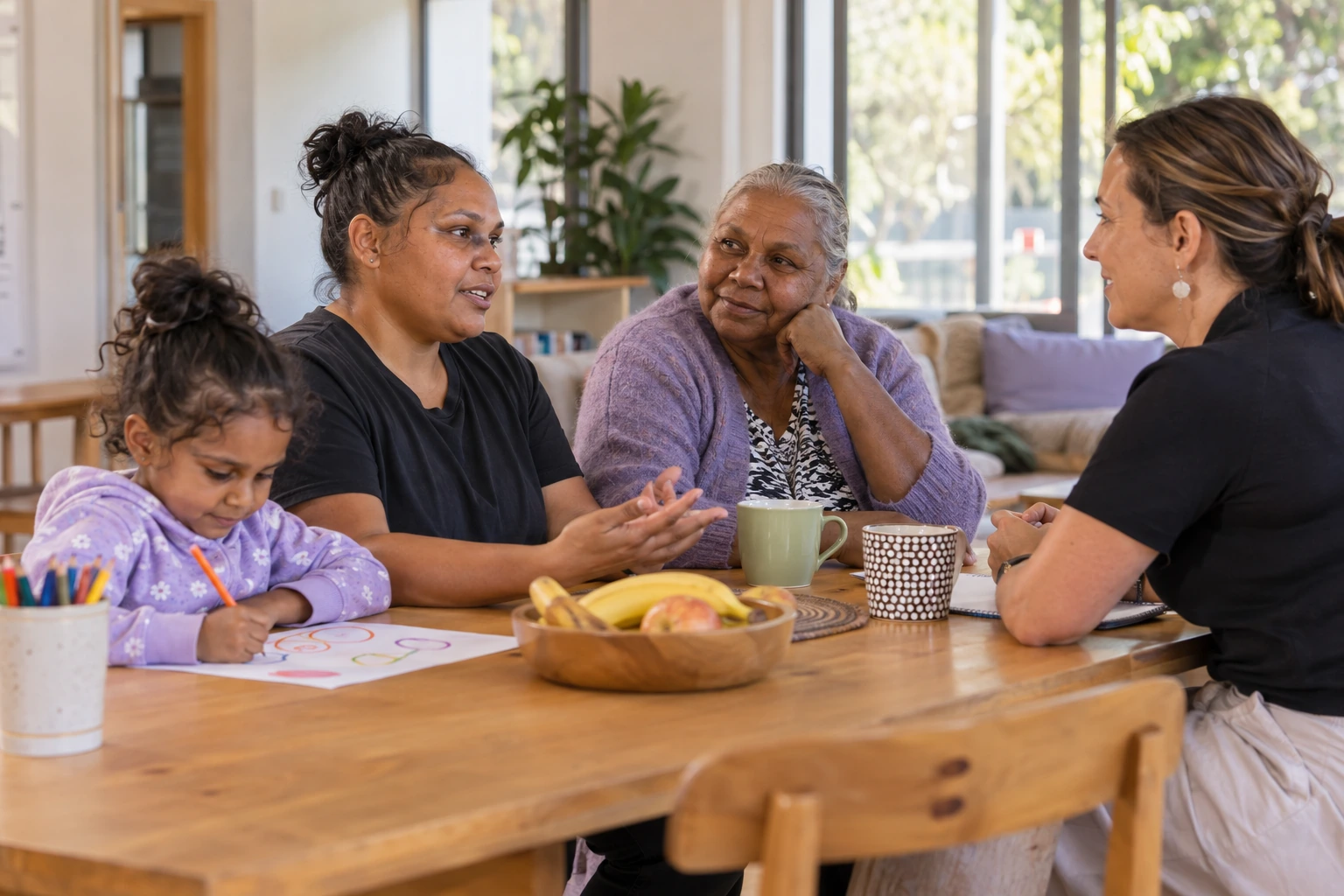
Family members speaking with a practitioner while their child draws.

Support From a Multidisciplinary Team

School readiness may involve several areas of development.
Depending on the child and family's needs, support may draw on expertise from:
  • Early Childhood Practitioners
  • Speech Pathologists
  • Occupational Therapists
  • Behaviour Support Practitioners
  • Social Workers
  • Family Support Practitioners
  • Other appropriately qualified professionals
Different professionals may contribute according to their scope and the family's goals.
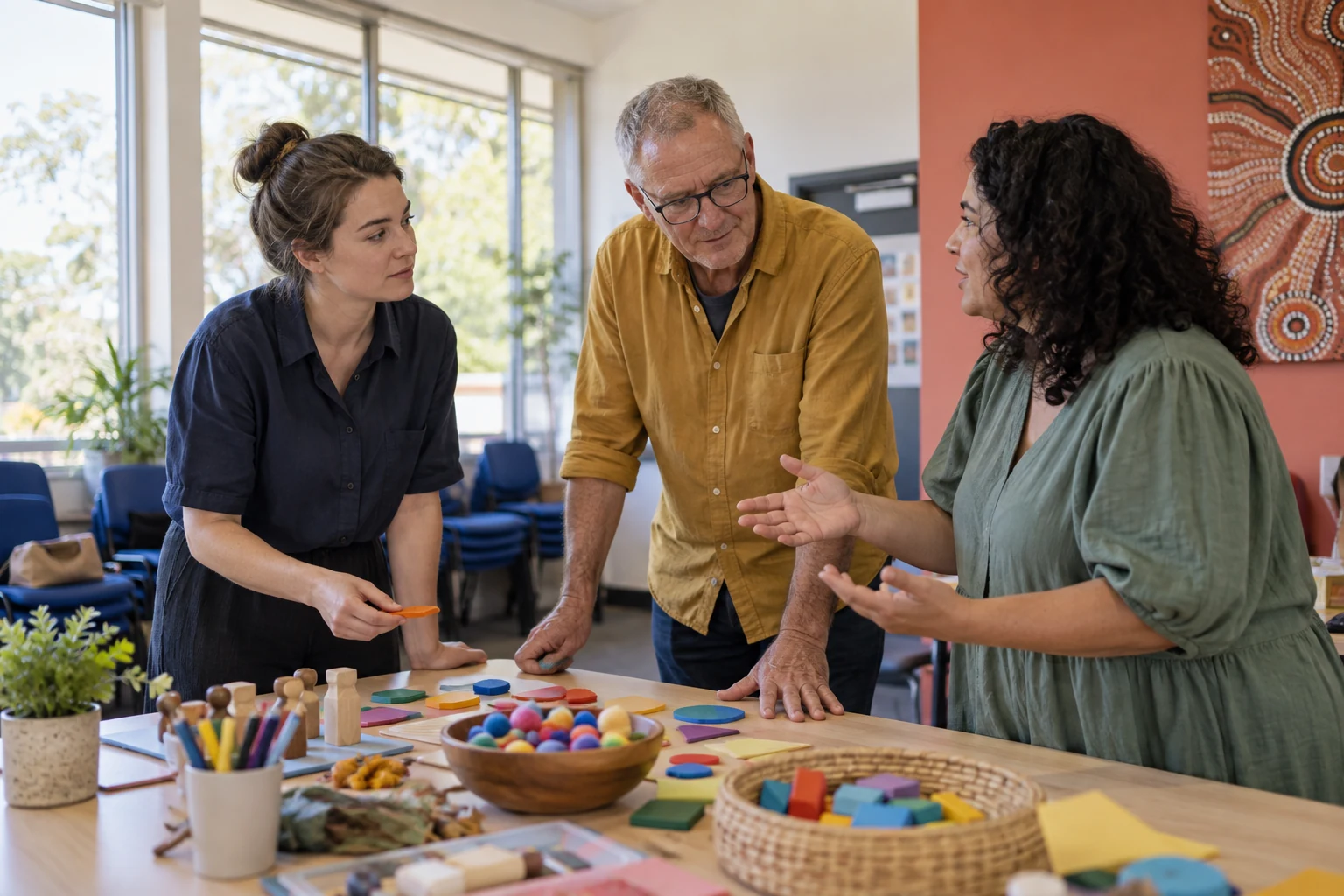
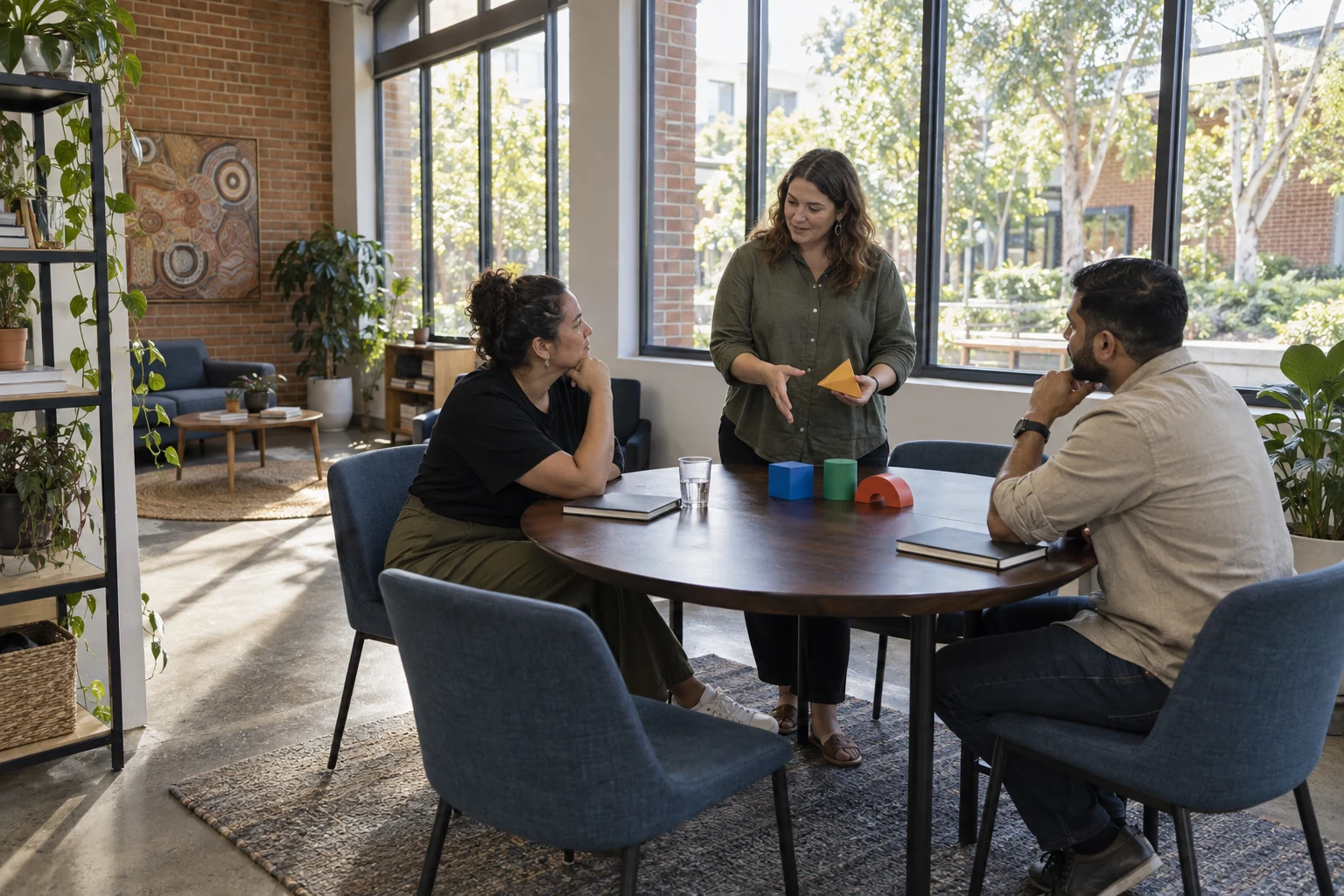
Practitioners sharing ideas at a community workspace.

What Families Can Expect

Families accessing School Readiness & Transition Support can expect:
  • Practical, developmentally appropriate support
  • A focus on everyday participation
  • Family involvement in goal setting
  • Support for communication and routines
  • Strategies for building independence
  • Support with social and group participation
  • Guidance for parents and carers
  • Strengths-based practice
  • Support with transition planning
  • Referral guidance where additional support is needed
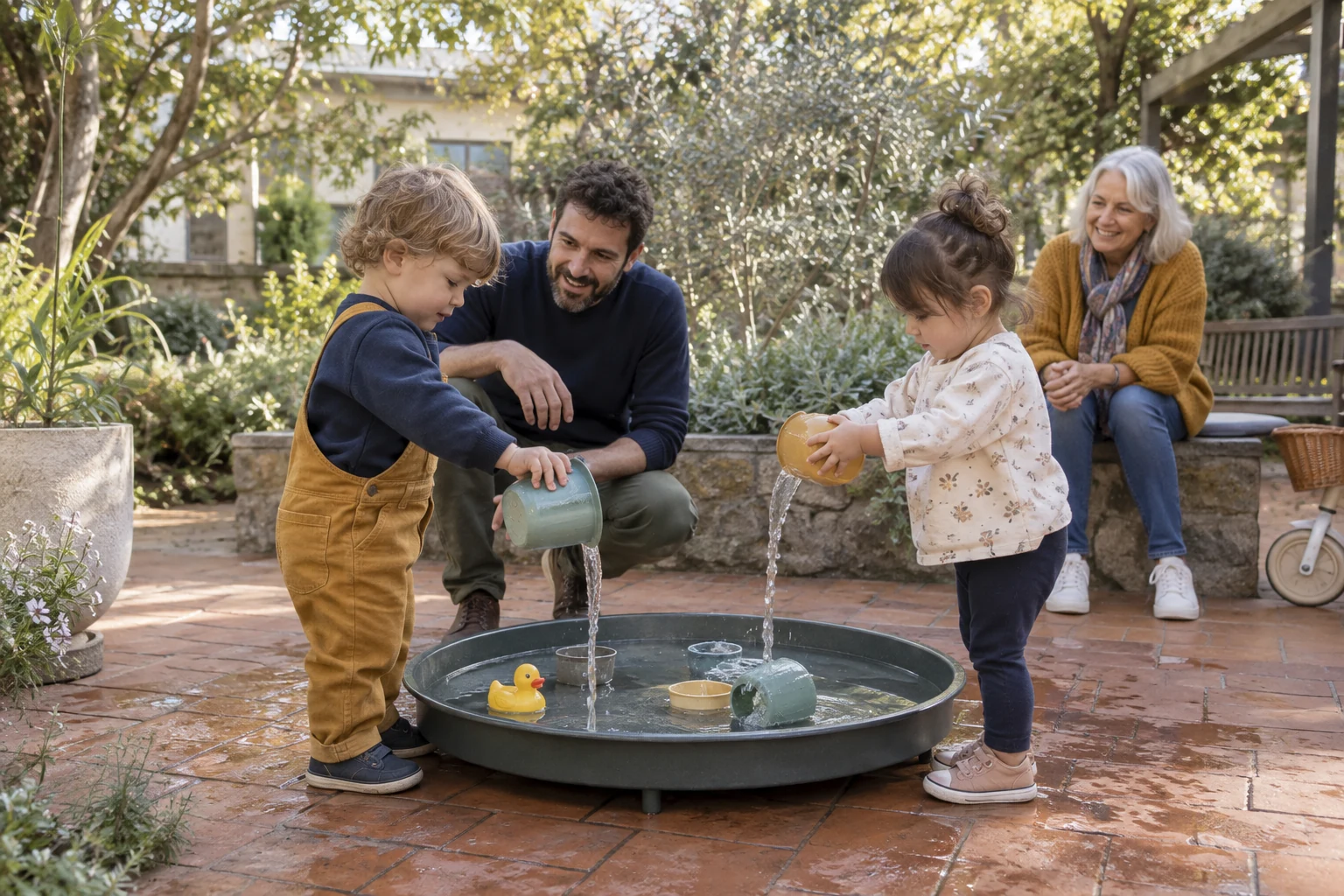
Toddlers and carers exploring a shallow water-play tray together.

Not Sure Whether Your Child Is Ready for School?

You do not need to work this out alone.
Our team can talk with you about:
  • Your child's strengths
  • Communication
  • Everyday routines
  • Social participation
  • Independence
  • Areas that feel challenging
  • Your concerns about starting school
Together, we can identify practical ways to support your child and family through the transition.
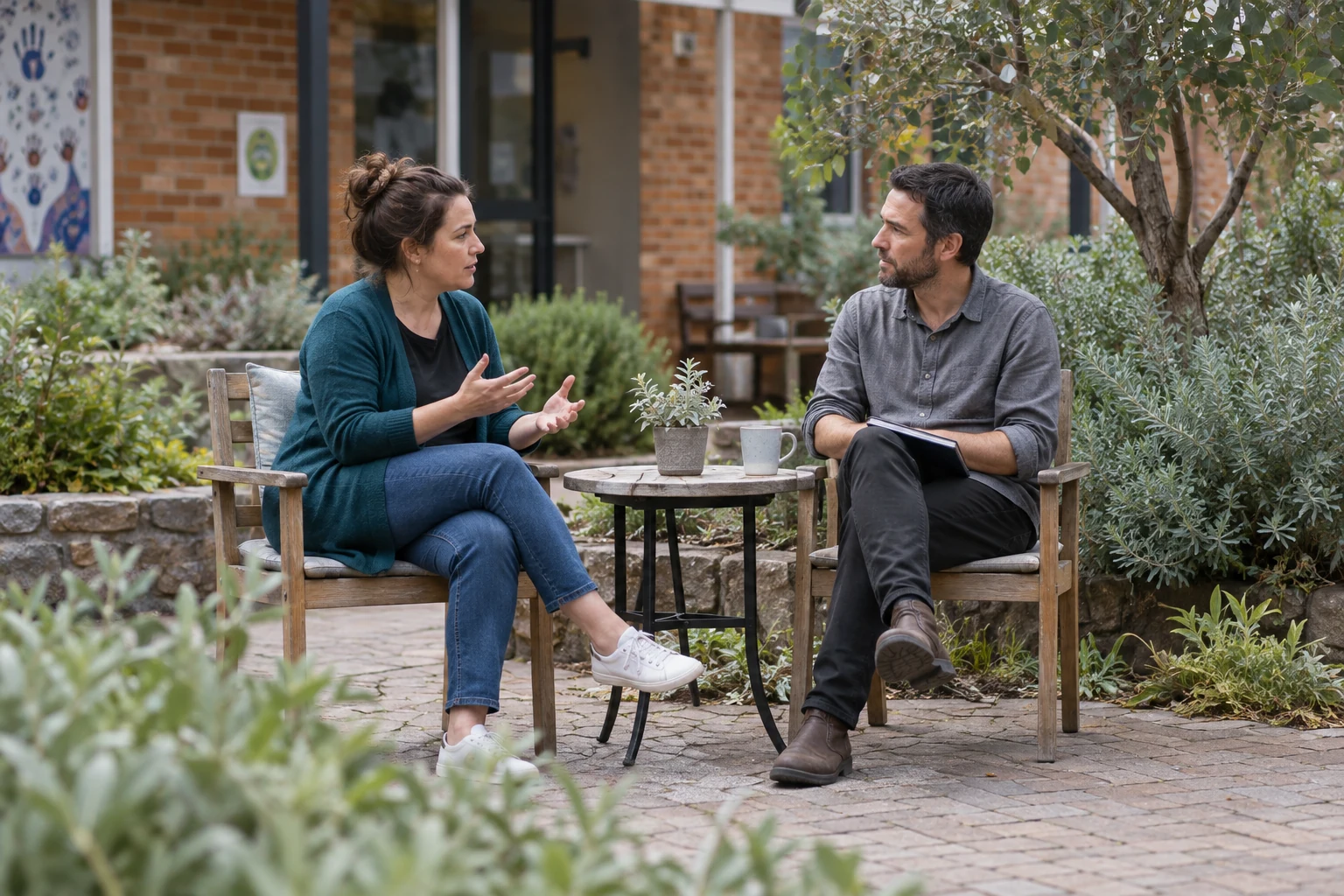
A parent considering support options during a relaxed first conversation.
Final Call to Action

Helping Children Step Into School With Confidence

School Readiness & Transition Support helps children build practical skills for participation while supporting parents and carers through an important stage of family life.
If you would like to discuss school readiness or your child's transition to school, contact our team.
Buttons