REFERRAL

Refer a Child or Family

Families can access our services through self-referral or a referral from a professional, service provider or community organisation.
Our referral process is designed to be straightforward, family-centred and flexible.
When a referral is received, our team will speak with the parent, carer or kin to better understand the child’s strengths, developmental concerns, family priorities and the type of support that may be most appropriate.

A parent considering support options during a relaxed first conversation.

Referral Form

Make a Referral

Use the referral form below to refer a child or family to Allied Health, Child and Family Support Services.
Suggested Website Form Fields

Who Can Make a Referral?

  • Parents, carers or kin
  • Early childhood education and care services
  • Schools and education services
  • Child and Parent Centres
  • Maternal and child health nurses
  • GPs and paediatricians
  • Speech pathologists
  • Occupational therapists
  • Psychologists
  • Other allied health professionals
  • Mental health services
  • Family support services
  • Child wellbeing services
  • Disability and NDIS providers
  • Community organisations
  • Aboriginal community organisations
  • Multicultural organisations
  • Other health, child and family services
Families may also contact us directly by telephone, email or online enquiry.
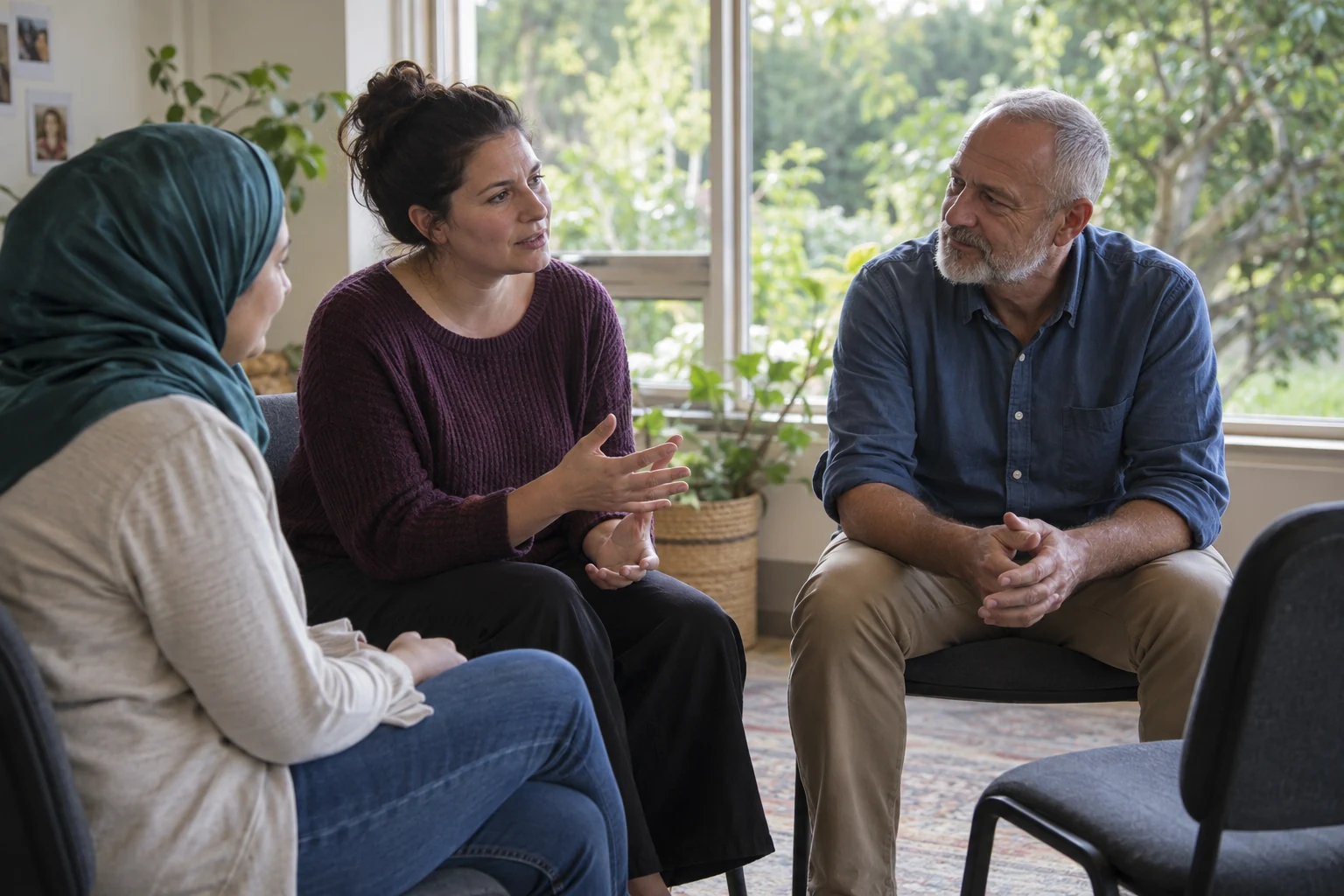
Parents sharing a relaxed conversation in a supportive group.

Self-Referral

Families Can Contact Us Directly

Parents, carers and kin do not need to wait for another professional to contact us before making an enquiry.
A family can contact our team directly if they have concerns about their child’s:
  • Development
  • Communication
  • Play
  • Social interaction
  • Participation
  • Emotional regulation
  • Everyday routines
  • Independence
  • Transition to school
  • Other developmental or participation needs
Our team can then discuss what support may be appropriate.
A mother explaining her priorities to a practitioner.

Professional Referrals

Professionals and organisations may refer children and families to our services where they believe early family support may be helpful.
A referral may come from professionals working in:
  • Health
  • Early childhood education
  • Schools
  • Allied health
  • Disability services
  • Family support
  • Community services
  • Child and family wellbeing
  • Mental health
  • Other relevant services
Where appropriate, we can work collaboratively with the referring professional while respecting family consent and privacy requirements.
Practitioners sharing ideas at a community workspace.

What Happens After a Referral?

Once we receive a referral or enquiry, our intake team will contact the family for an initial discussion.
We may ask about:
  • The child’s age
  • Developmental concerns
  • The child’s strengths and interests
  • Family priorities and goals
  • Current supports
  • Preferred language
  • Interpreter requirements
  • Cultural considerations
  • Accessibility needs
  • Transport or geographical barriers
  • Preferred appointment times
  • Preferred locations
  • The type of support the family may be interested in
We may also discuss whether another service would be more appropriate if the family requires urgent or specialist support.
A parent and practitioner considering support options together.

Step 1 — Submit a Referral

Complete our referral form with basic information about the child and family.
Referrers should provide as much relevant information as possible so our team can understand the reason for referral.
A coordinator listening during a service-navigation phone call.

Step 2 — We Contact the Family

Our team will contact the parent, carer or authorised representative to discuss the referral.
This conversation helps us understand:
  • What the family is concerned about
  • What is already working well
  • What the child enjoys
  • What support the family would like
  • Any accessibility or communication needs
A team member listening attentively during a phone conversation.

Step 3 — Identify the Most Appropriate Support

Based on the initial discussion, the family may be connected with an appropriate service such as:
  • Developmental Playgroups
  • Social Communication & Participation Groups
  • Parent Education Workshops
  • Parent & Carer Peer Support
  • Individual Family Support & Coaching
  • Home-Based Family Support
  • Service Navigation & Referrals
  • School Readiness & Transition Support
The appropriate pathway will depend on the child’s and family’s needs.
A parent discussing support options with a coordinator.

Step 4 — Begin Support

Our team will explain the next steps, including:
  • Available services
  • Appointment or session options
  • Locations
  • What to expect
  • Any information the family needs to provide
Families remain involved in decisions about the support they receive.
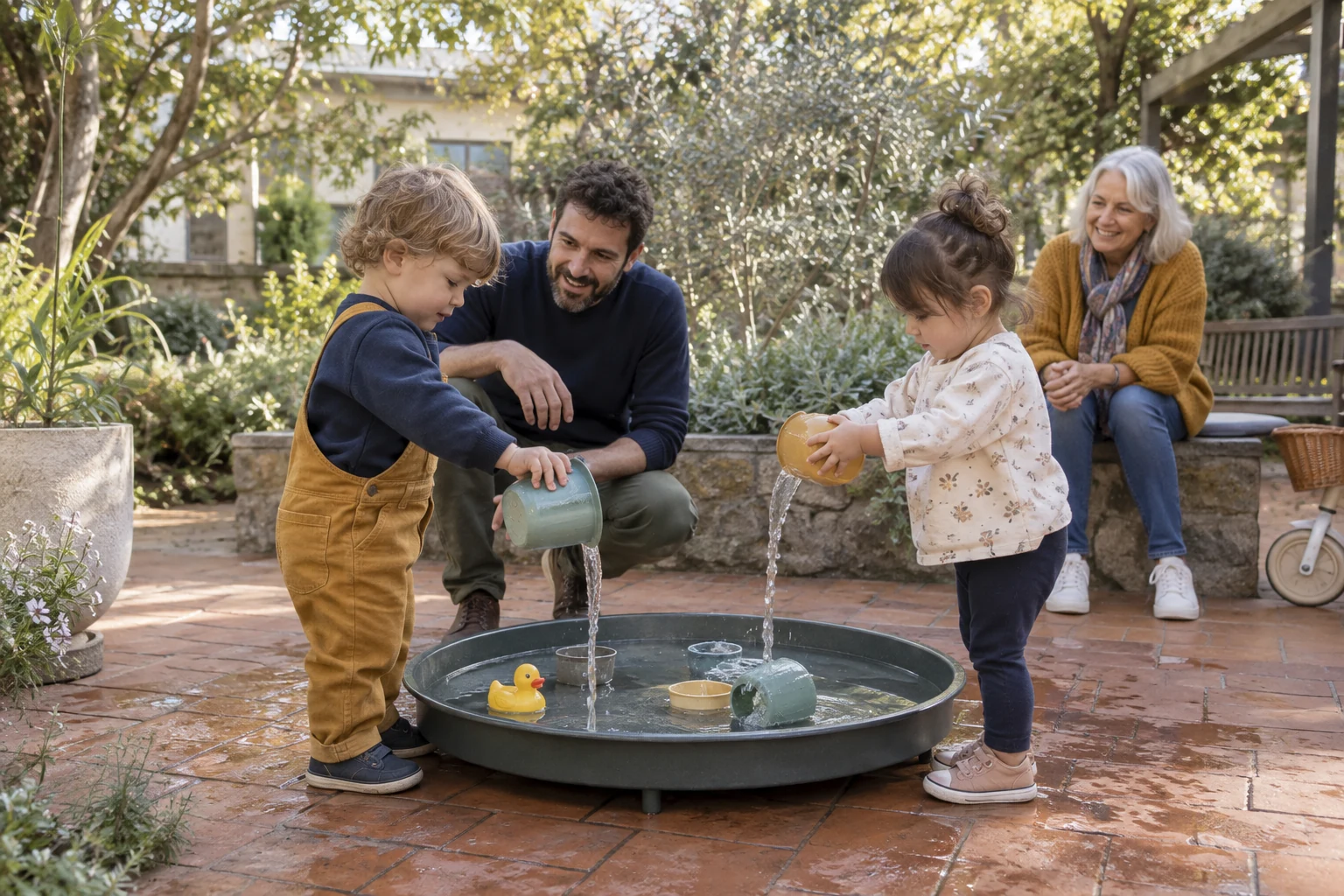
Toddlers and carers exploring a shallow water-play tray together.

Information to Include in a Referral

Child Details

  • Child’s name
  • Date of birth
  • Age
  • Address or suburb
  • Primary language
  • Developmental or participation concerns
  • Child’s strengths and interests

Parent / Carer Details

  • Parent or carer name
  • Relationship to the child
  • Phone number
  • Email address
  • Preferred method of contact
  • Preferred language
  • Interpreter requirements

Referral Information

  • Reason for referral
  • Areas where support is requested
  • Existing services involved
  • Relevant family priorities
  • Accessibility considerations
  • Preferred service location

Referrer Details

  • Name
  • Organisation
  • Role
  • Phone number
  • Email address
  • Relationship to the child or family
Parents practising everyday strategies in a small workshop.

Language & Interpreter Support

Families can let us know about their preferred language and communication needs during the referral process.
Where appropriate and available, support may involve:
  • Multilingual practitioners
  • Bicultural workers
  • Qualified interpreters
  • Translated or multilingual information
Interpreter or language support may also be used during intake, consultations, referrals and family reviews.
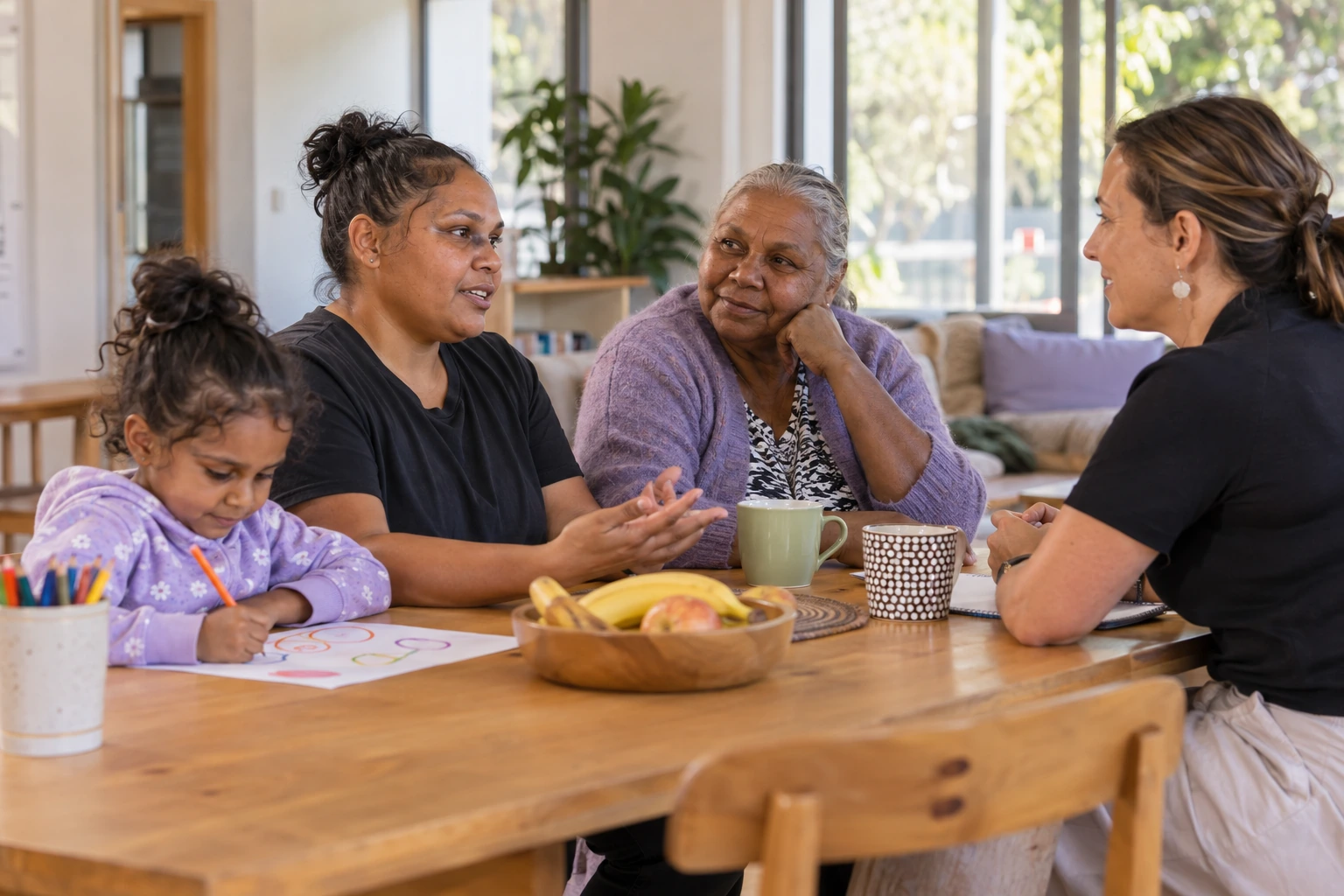
Family members speaking with a practitioner while their child draws.

Accessibility Needs

We encourage families and referrers to tell us about anything that may make accessing services more difficult.
This might include:
  • Transport difficulties
  • Geographical distance
  • Mobility or accessibility needs
  • Language barriers
  • Caring responsibilities
  • Preferred appointment times
  • Cultural considerations
  • Preferred meeting locations
  • Communication needs
This information helps us consider the most appropriate and accessible way to provide support.
Families taking part in a community garden activity.

Referring From Another Service

If you are a professional making a referral, please include relevant information that may help us understand:
  • Why the family is being referred
  • What concerns have been identified
  • What support is already in place
  • What the family would like assistance with
  • Whether other services are involved
  • Any important communication or accessibility needs
Please avoid sending information that is not relevant to the referral.
Practitioners exchanging ideas during a collaborative learning session.

Working Together With Referrers

Where appropriate and with family consent, we may communicate with referring professionals to support continuity.
This can help:
  • Clarify referral information
  • Understand existing supports
  • Coordinate services
  • Avoid families having to repeat information unnecessarily
  • Support agreed family goals
The family remains central to the process.
Parents practising a strategy together during a workshop.

If Another Service Is More Appropriate

Sometimes a family may need support outside our service scope.
Where appropriate, we can help families identify and connect with other services.
This may include:
  • Child Development Services
  • GPs or paediatric services
  • Allied health services
  • Mental health services
  • Specialist behaviour support
  • Early childhood intervention services
  • Schools and education supports
  • Disability services
  • Family support services
  • Other community services
Our approach is to provide supported referral assistance where appropriate rather than simply directing families elsewhere.
A parent practising a shared snack-time routine with a child and practitioner.

Urgent or Emergency Concerns

Our referral service is not an emergency or crisis response service.
If there is an immediate risk to a child or another person, families and professionals should contact the appropriate emergency, health, mental health, child protection or crisis service.
Our team can assist with appropriate referral pathways for concerns that are within the scope of our service.
Families and practitioners sharing practical support in an everyday setting.

Need Help Making a Referral?

If you are unsure what information to include or whether our service may be appropriate, contact our team.
Our team can explain the referral process and help you identify the appropriate next step.
A parent and child sharing a picture book.
Final Call to Action

Start a Referral

Whether you are a parent, carer, professional or community organisation, you can contact us to discuss support for a child or family.
Buttons