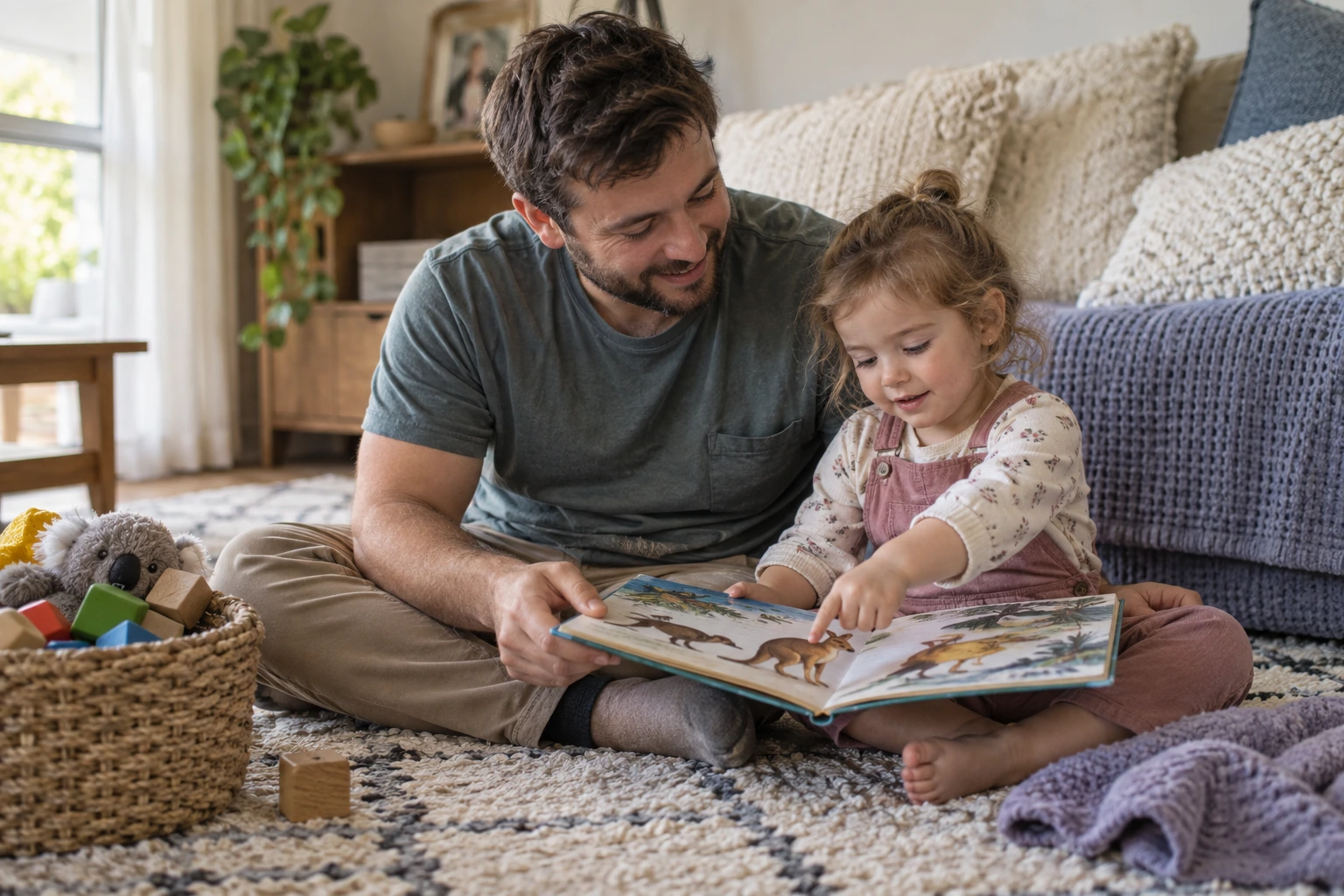
DEVELOPMENTAL PLAYGROUPS

Learning Through Play, Connection and Everyday Experiences

Our Developmental Playgroups are designed for children aged 0-4 years and their parents, carers or kin.
These sessions provide a supportive environment where children can explore, communicate, move, play and interact with others while parents and carers participate alongside them.
The focus is on building development through everyday play and helping families learn practical strategies they can continue using at home and in the community.
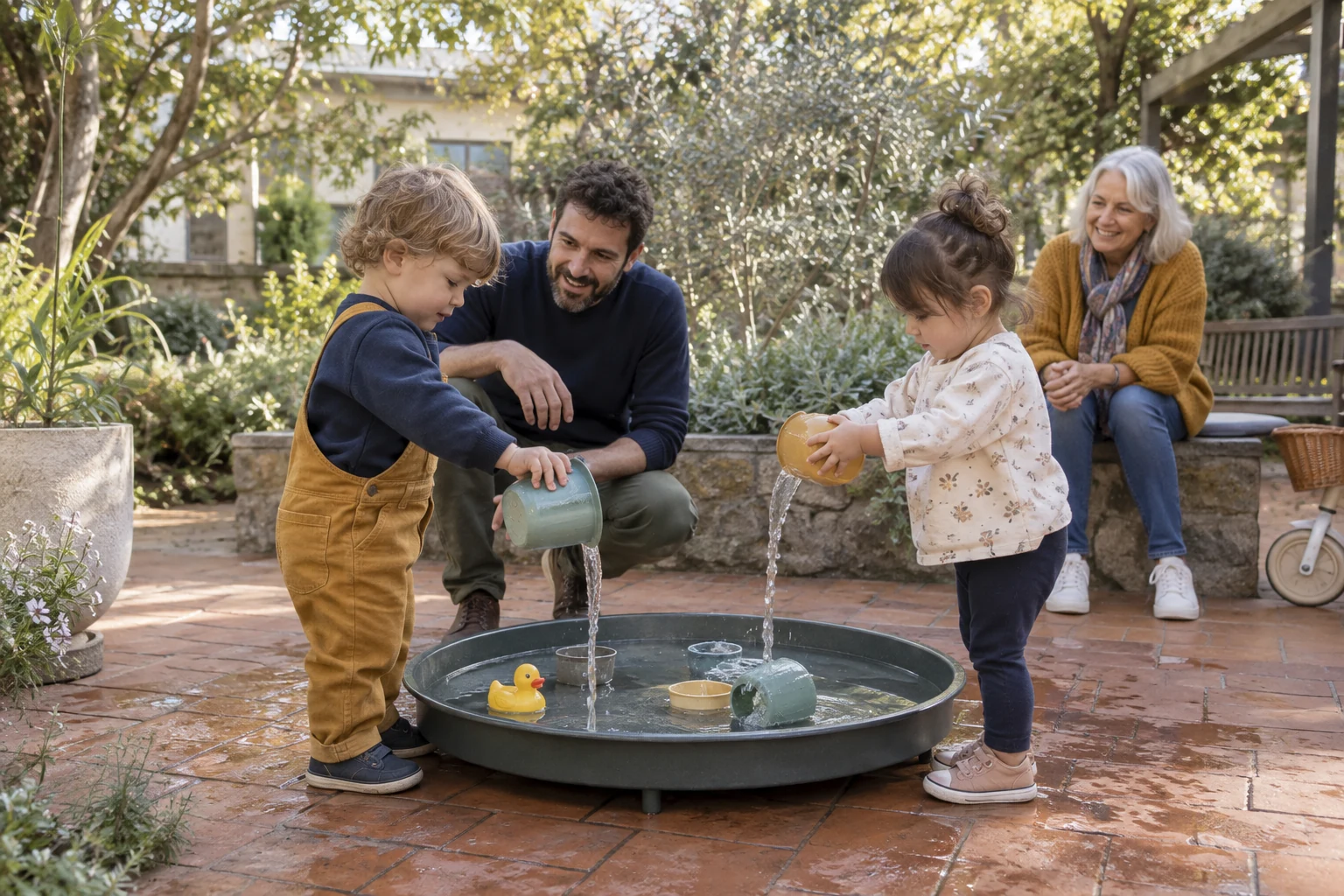
Toddlers and carers exploring a shallow water-play tray together.

Who Are Developmental Playgroups For?

Developmental Playgroups are suitable for young children who may benefit from additional support with areas such as:
  • Communication
  • Shared attention
  • Play skills
  • Social interaction
  • Movement
  • Turn-taking
  • Participation
  • Everyday learning
  • Confidence in group settings
They are also designed for parents, carers and kin who want practical guidance on how to support their child's development through ordinary play and routines.
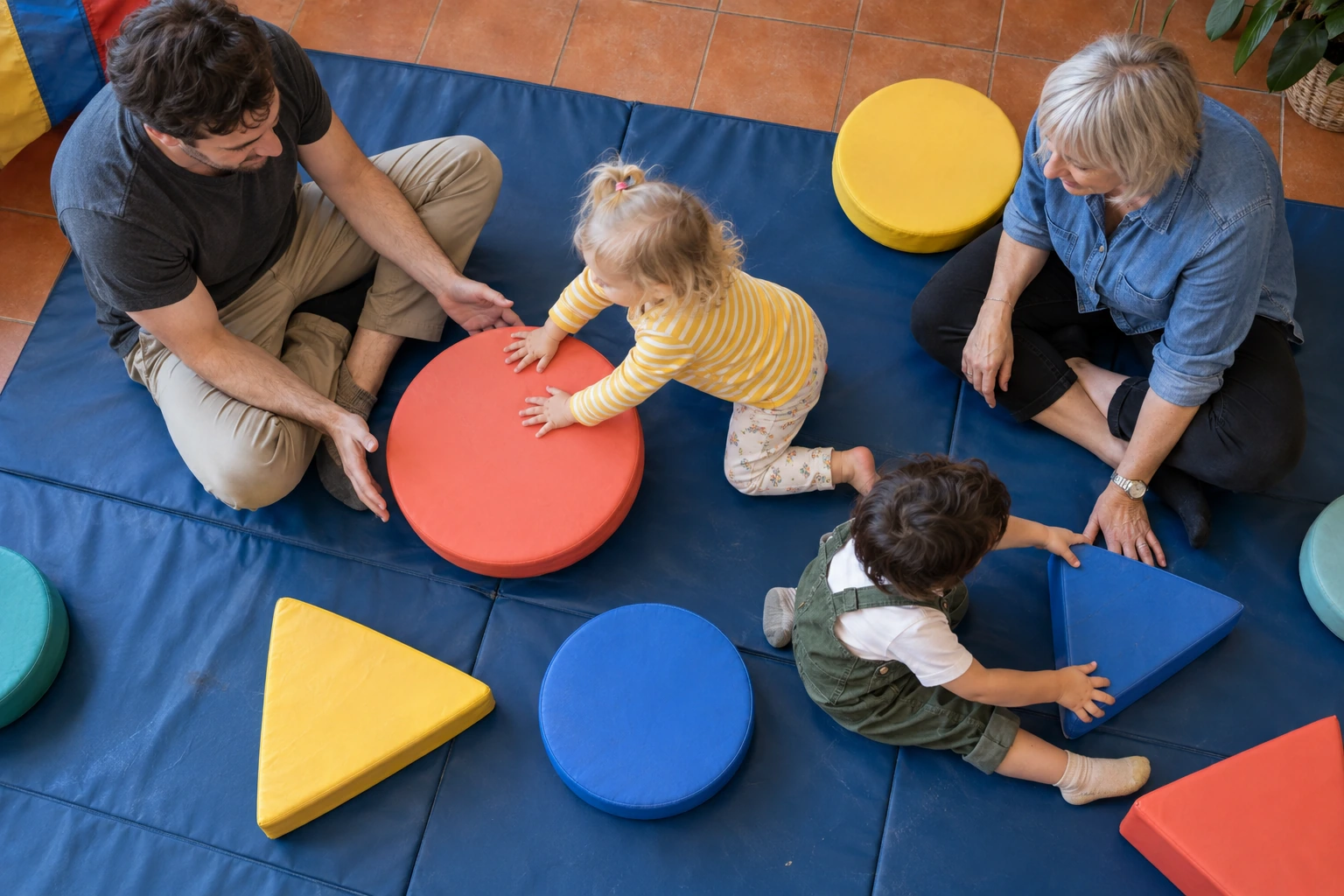
Young children exploring shapes together with their carers.

What Happens During a Session?

Sessions are practical, interactive and play-based.

Shared Play

Activities that encourage children and adults to play together, respond to each other and build connection.

Storytelling and Books

Simple stories and shared reading activities that support communication, attention and interaction.

Songs and Music

Music and action songs that encourage listening, movement, imitation and participation.

Movement Activities

Age-appropriate movement experiences that support coordination, body awareness and active participation.

Turn-Taking Games

Simple activities that encourage children to wait, respond, share and interact with others.

Communication Activities

Opportunities for children to express choices, communicate needs and engage with adults and other children.

Exploratory Play

Play experiences that encourage curiosity, interaction and learning through hands-on exploration.
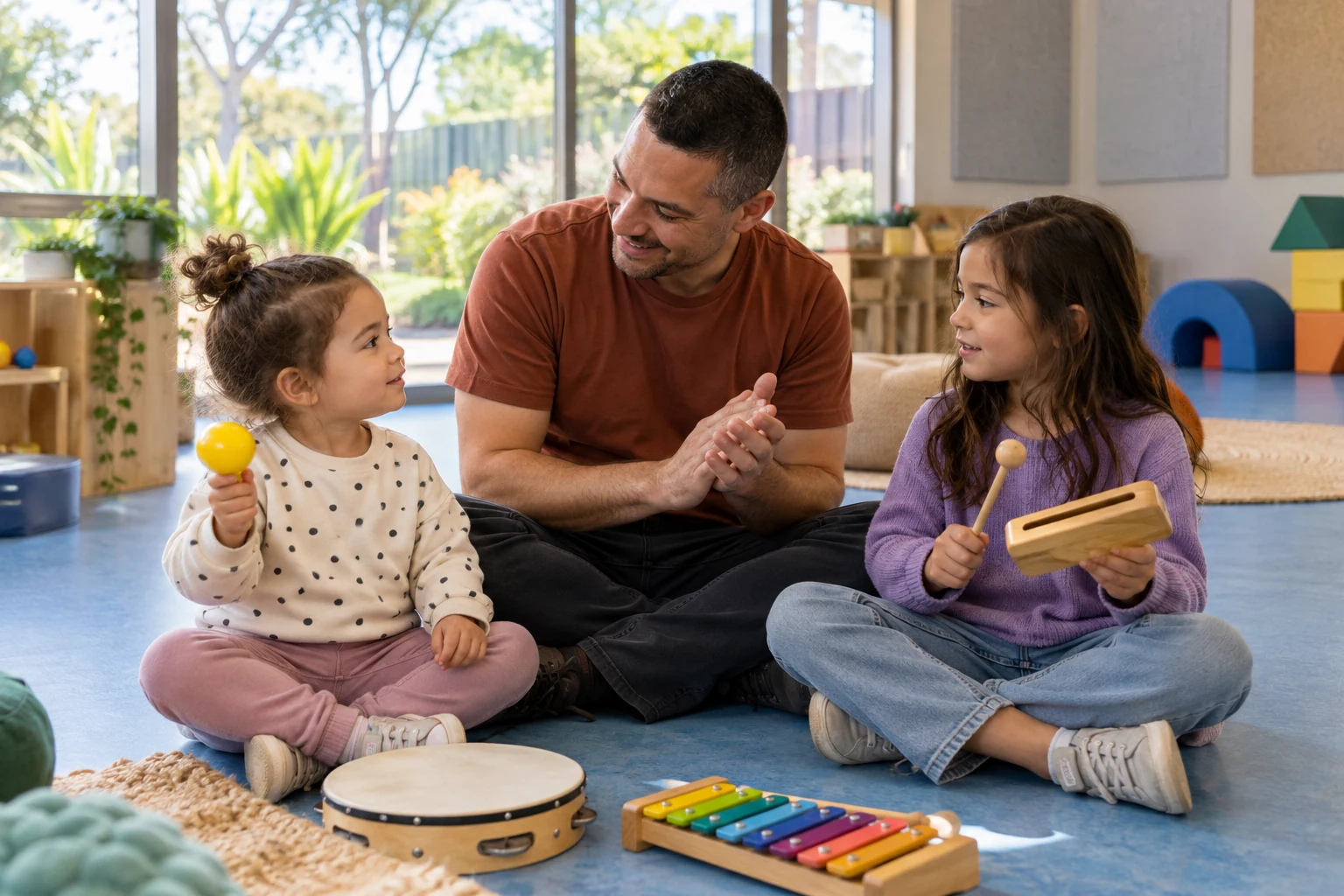
A parent and two children exploring sounds together in a community play space.

Parents and Carers Participate Too

Learning Together With Your Child

Parents and carers are an important part of each session.
Rather than simply observing, adults are encouraged to participate alongside their child.
Practitioners can demonstrate strategies, explain why they may be helpful and support parents and carers as they practise them with their child.
This may include guidance on how to:
  • Follow the child's interests
  • Encourage communication
  • Support turn-taking
  • Build interaction through play
  • Use simple language
  • Create learning opportunities during everyday routines
  • Respond to the child's communication
  • Support participation without placing unnecessary pressure on the child
The aim is to help families feel confident using these strategies outside the session as well.
A parent practising a playful interaction with their child.

What Can Developmental Playgroups Support?

Communication

Helping children express needs, respond to others and participate in shared interaction.

Play

Encouraging children to explore, engage in shared play and develop new play skills.

Social Interaction

Supporting children to notice, respond to and interact with adults and other children.

Movement

Providing opportunities for children to participate in movement-based activities.

Participation

Helping children become more comfortable taking part in activities, routines and group experiences.

Everyday Learning

Using play and everyday experiences to create natural opportunities for development.
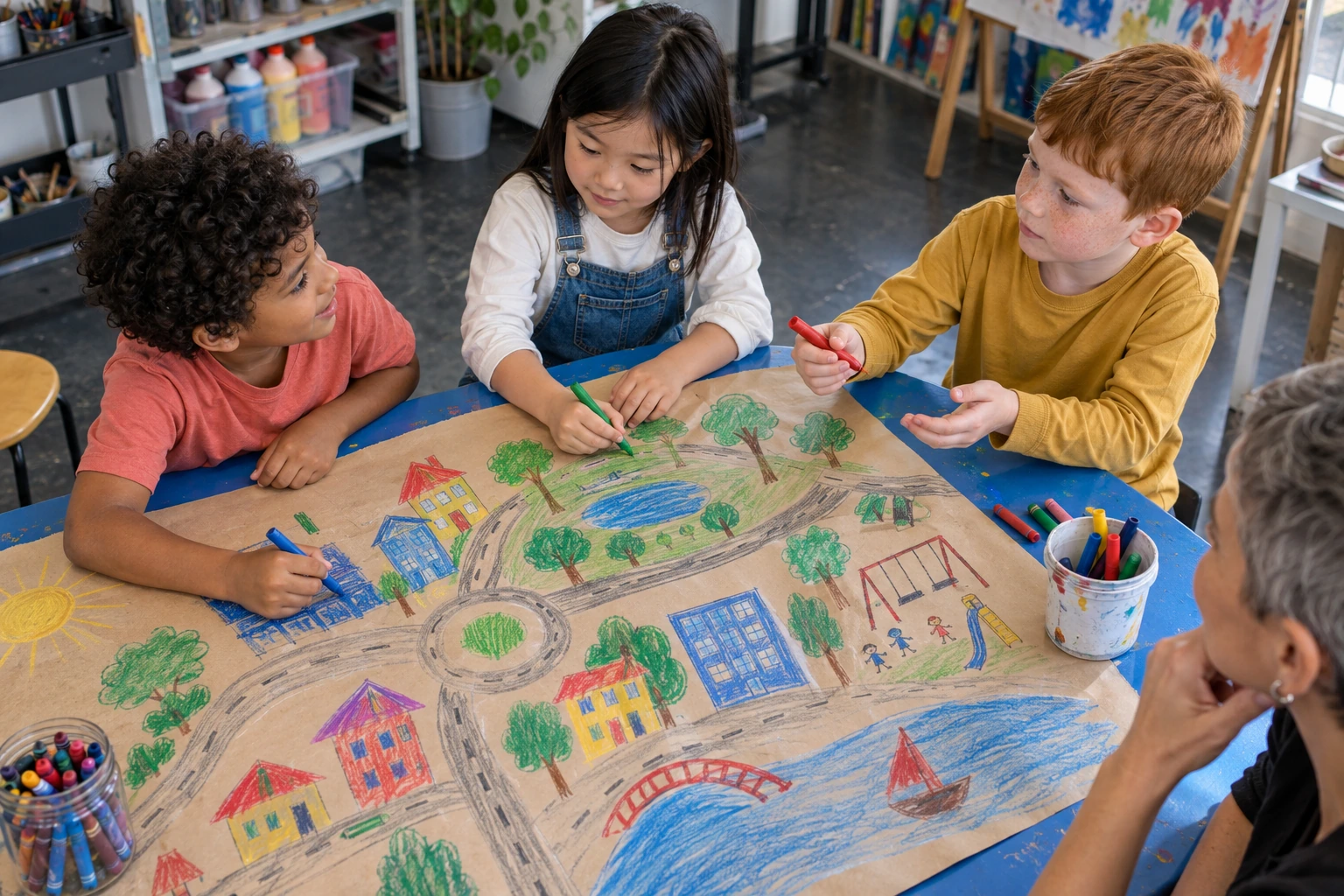
Children creating a shared drawing and taking turns.

A Strengths-Based Approach

Every child brings their own interests, abilities and personality to the group.
We do not focus only on what a child finds difficult.
Practitioners look at:
  • What the child enjoys
  • What already engages them
  • How they communicate
  • What activities they respond to
  • Their existing strengths
  • Their preferred ways of participating
These strengths can then be used as a starting point for further learning and participation.
For example, a child who enjoys music may be encouraged to build communication and interaction through songs and movement. A child who enjoys books may be supported through storytelling and shared reading.
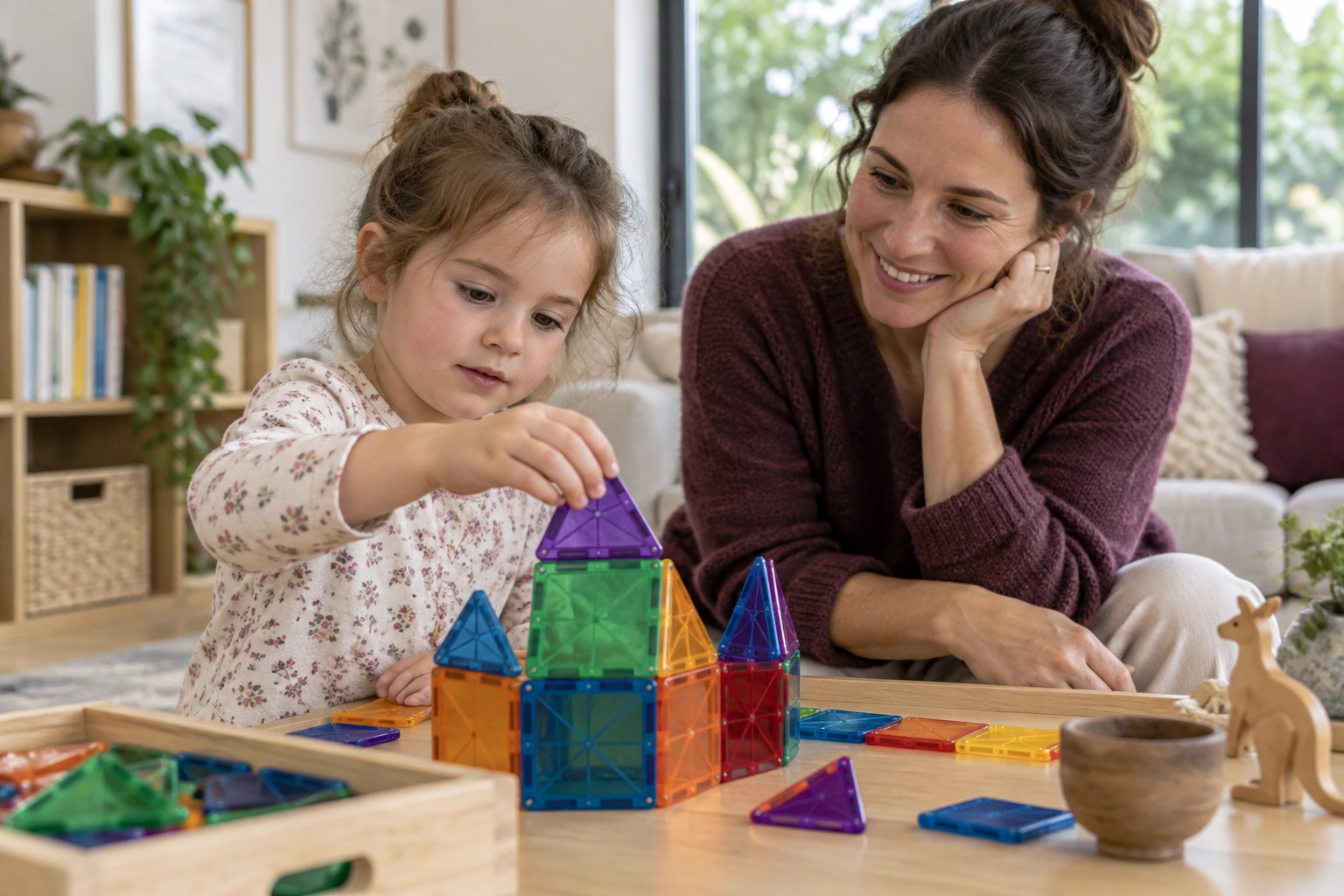
A child building with colourful tiles while a parent follows their lead.

Family-Centred Support

Families know their children best.
We work with parents, carers and kin to understand:
  • The child's strengths
  • The family's concerns
  • Everyday routines
  • Family priorities
  • What the child enjoys
  • What support would be most useful
Families can help shape activities through feedback and goal-setting, and practitioners can adjust support based on what is most meaningful for the child and family.
A mother explaining her priorities to a practitioner.

Learning Through Everyday Routines

The strategies used in Developmental Playgroups are designed to be practical.
Parents and carers can continue using them during ordinary activities such as:
  • Playing at home
  • Reading books
  • Mealtimes
  • Bath time
  • Getting dressed
  • Going to the park
  • Shopping
  • Spending time with siblings
  • Community activities
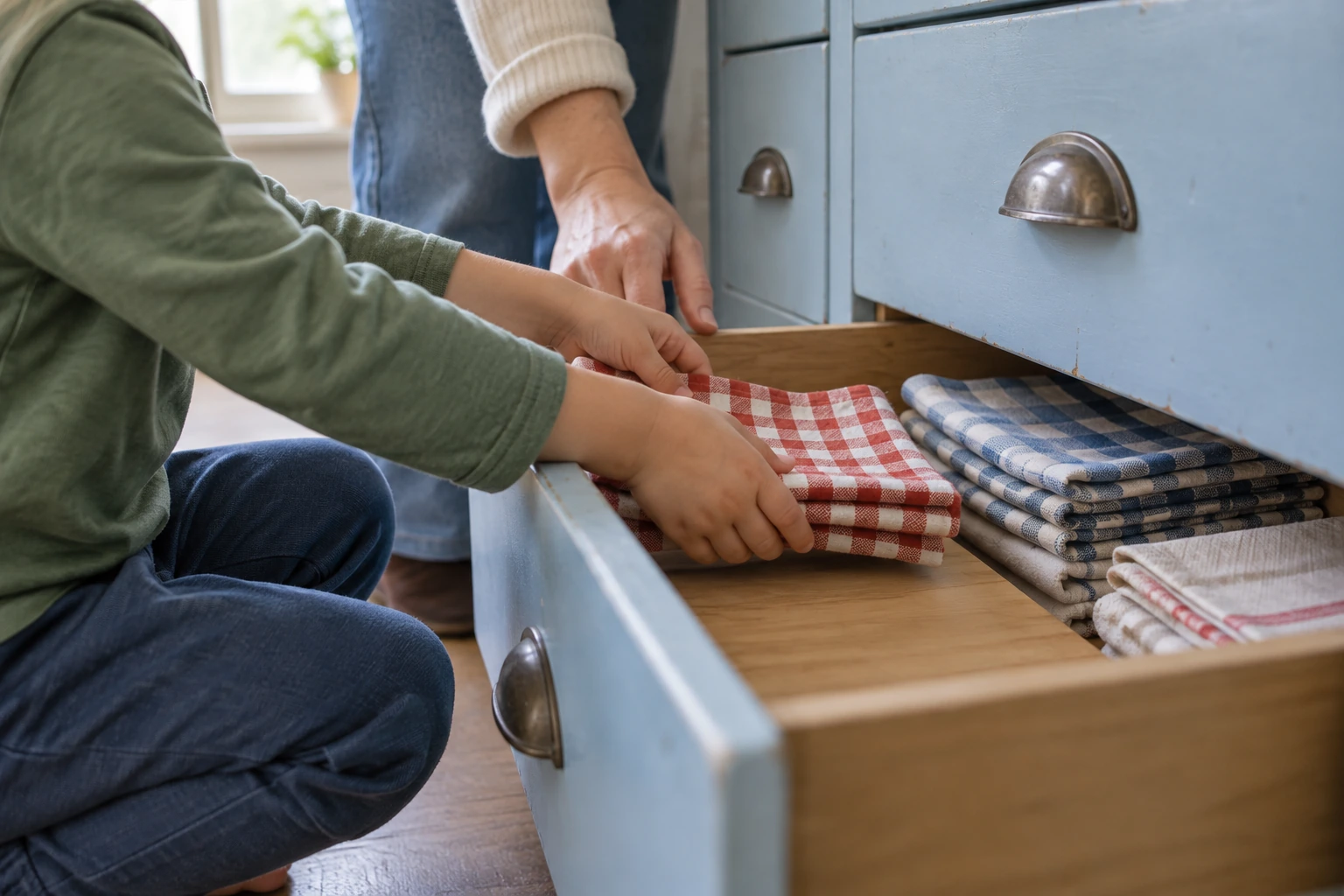
This helps developmental support become part of everyday life rather than something that only happens during a scheduled session.
A child practising an everyday task with a parent nearby.

Support in a Safe and Inclusive Environment

We are committed to creating a welcoming environment where children feel safe, respected and included.
Practitioners pay attention to children's verbal and non-verbal communication and support participation in ways that are appropriate to each child's age, development and comfort.
Children are not expected to participate in the same way or at the same pace.
Our approach respects individual differences and allows children to engage in ways that feel appropriate for them.
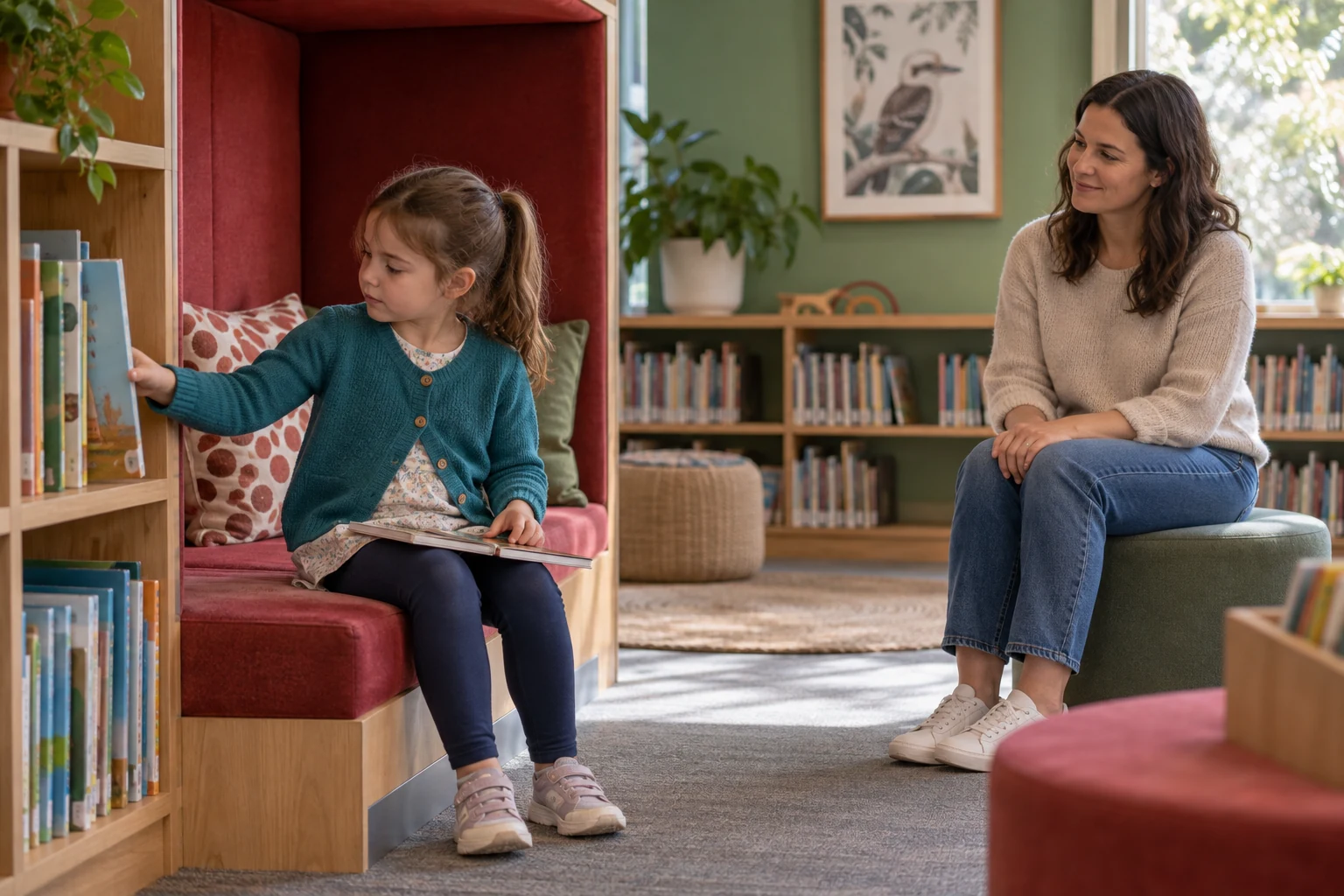
A child choosing a book with a practitioner nearby.

Culturally Responsive Support

Families come from different cultural and linguistic backgrounds.
Where appropriate and available, support may include:
  • Multilingual practitioners
  • Bicultural workers
  • Qualified interpreters
  • Culturally responsive communication
We aim to make information clear, respectful and accessible for families from diverse communities.
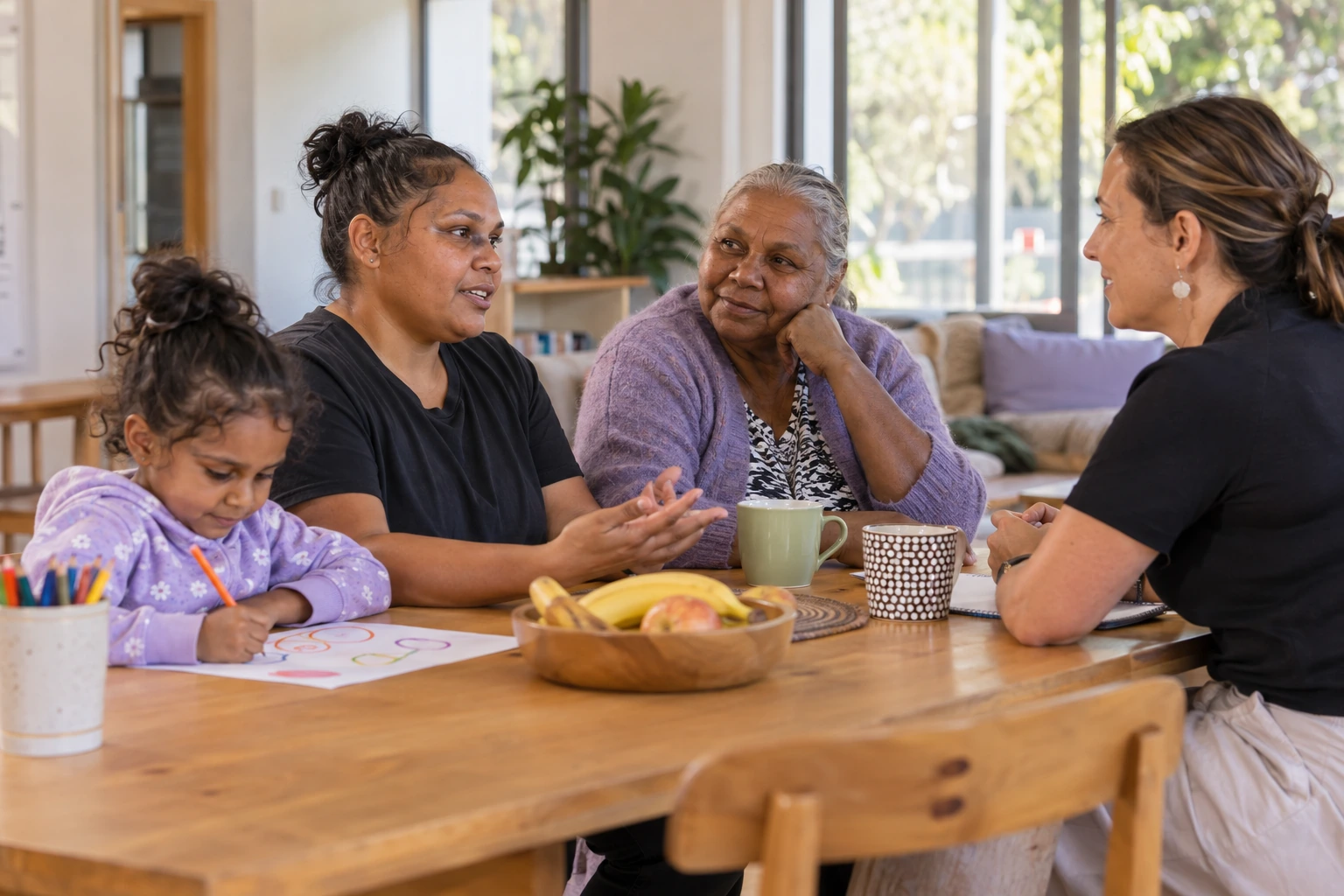
Family members speaking with a practitioner while their child draws.

How Often Do Sessions Run?

Developmental Playgroups are designed as regular group sessions for children and their families.
Sessions are generally structured as weekly 90-minute sessions. Availability may vary by location.

Where Are Sessions Held?

Developmental Playgroups can be delivered in accessible, child-friendly community settings.
Depending on the location, this may include:
  • Community centres
  • Child and Parent Centres
  • Libraries
  • Early childhood settings
  • Partner venues
  • Other suitable community locations
The aim is to provide support in environments that are comfortable, accessible and suitable for young children and families.
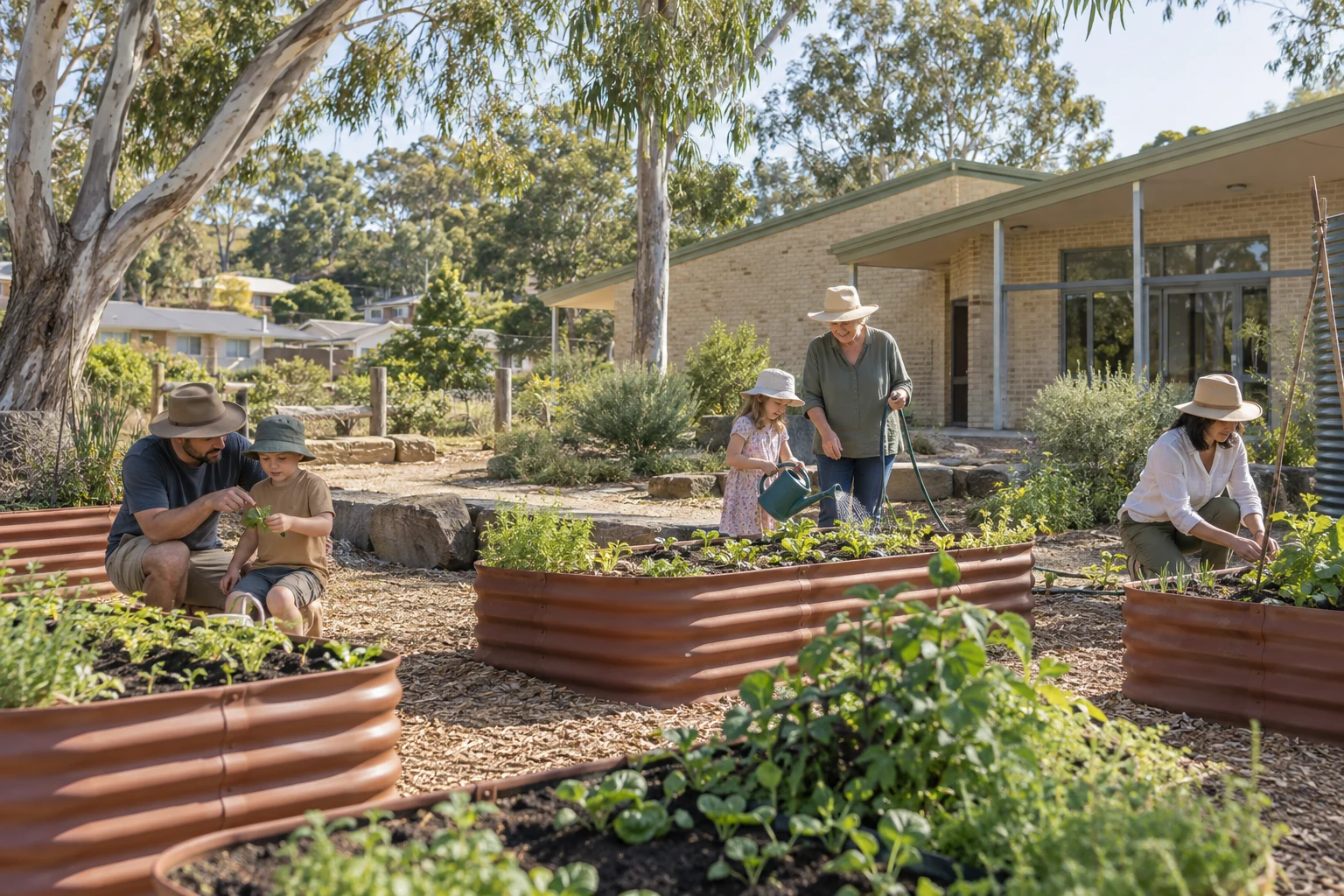
Families taking part in a community garden activity.

What Parents Can Expect

When your family joins a Developmental Playgroup, you can expect:
  • A welcoming and supportive environment
  • Play-based activities
  • Practical guidance from practitioners
  • Opportunities to participate with your child
  • Strategies you can use at home
  • Respect for your child's individual pace and needs
  • Opportunities to ask questions
  • Support based on your family's priorities
A parent and child sharing a picture book.

Not Sure Whether This Service Is Right for Your Child?

You do not need to know exactly what type of support your child needs before contacting us.
Our team can talk with you about your child's strengths, your concerns and your family's priorities and help identify appropriate next steps.
A parent considering support options during a relaxed first conversation.
Final Call to Action

Learn, Play and Grow Together

Developmental Playgroups provide an opportunity for young children to build skills through play while parents and carers gain practical strategies they can continue using in everyday life.
If you would like to learn more about Developmental Playgroups or discuss whether they may be suitable for your family, contact our team.
Buttons