ABOUT US
Supporting Children. Strengthening Families.
Allied Health, Child and Family Support Services is a not-for-profit, non-government organisation committed to supporting children, families and communities. We believe every child deserves the opportunity to feel safe, included, supported and confident in everyday life.
We provide family-centred support for children aged 0–8 years and their families, including children with developmental concerns, developmental delay and autism.
Our focus is not only on the child. We work alongside parents, carers and kin to build the knowledge, skills and confidence they need to support their child's development in everyday settings.
Who We Are
Child and Family Support Built Around Everyday Life
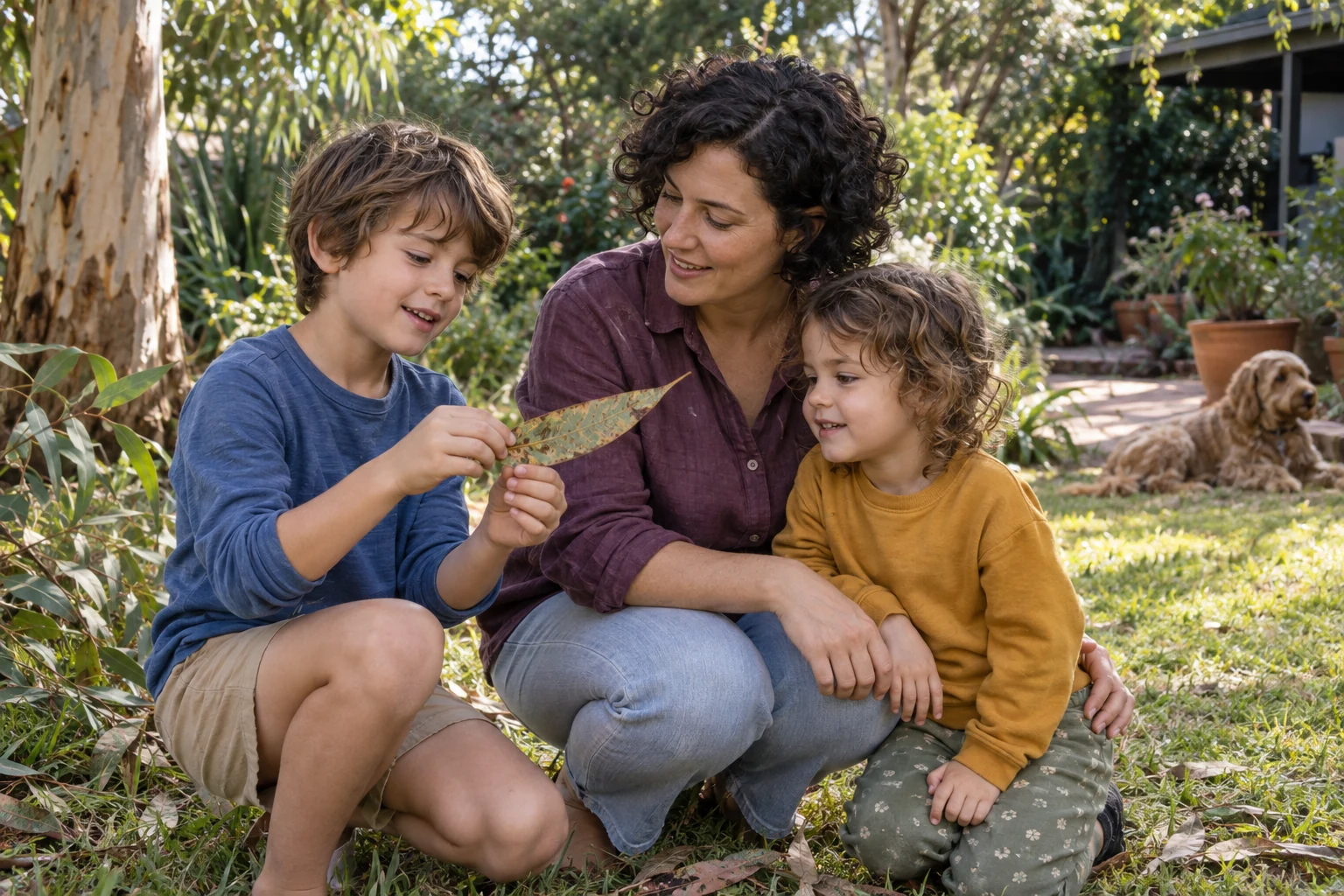
Allied Health, Child and Family Support Services is a not-for-profit, non-government organisation focused on supporting children and families through practical, inclusive and community-based services.
We recognise that every child develops differently and every family has their own strengths, priorities, culture and circumstances.
That is why our approach begins by listening.
We take time to understand the child, the family and what matters most to them before working together towards meaningful and achievable goals.
Our services can support areas including:
- Communication and language
- Play and social interaction
- Emotional regulation
- Everyday routines
- Independence and self-help skills
- Participation in family and community life
- School readiness and transitions
- Parent and carer confidence

Our Purpose
Helping Children Participate, Connect and Grow
Our purpose is to help children build the skills and confidence they need to participate meaningfully in everyday life while strengthening the capability of the families who support them.
We aim to make support practical.
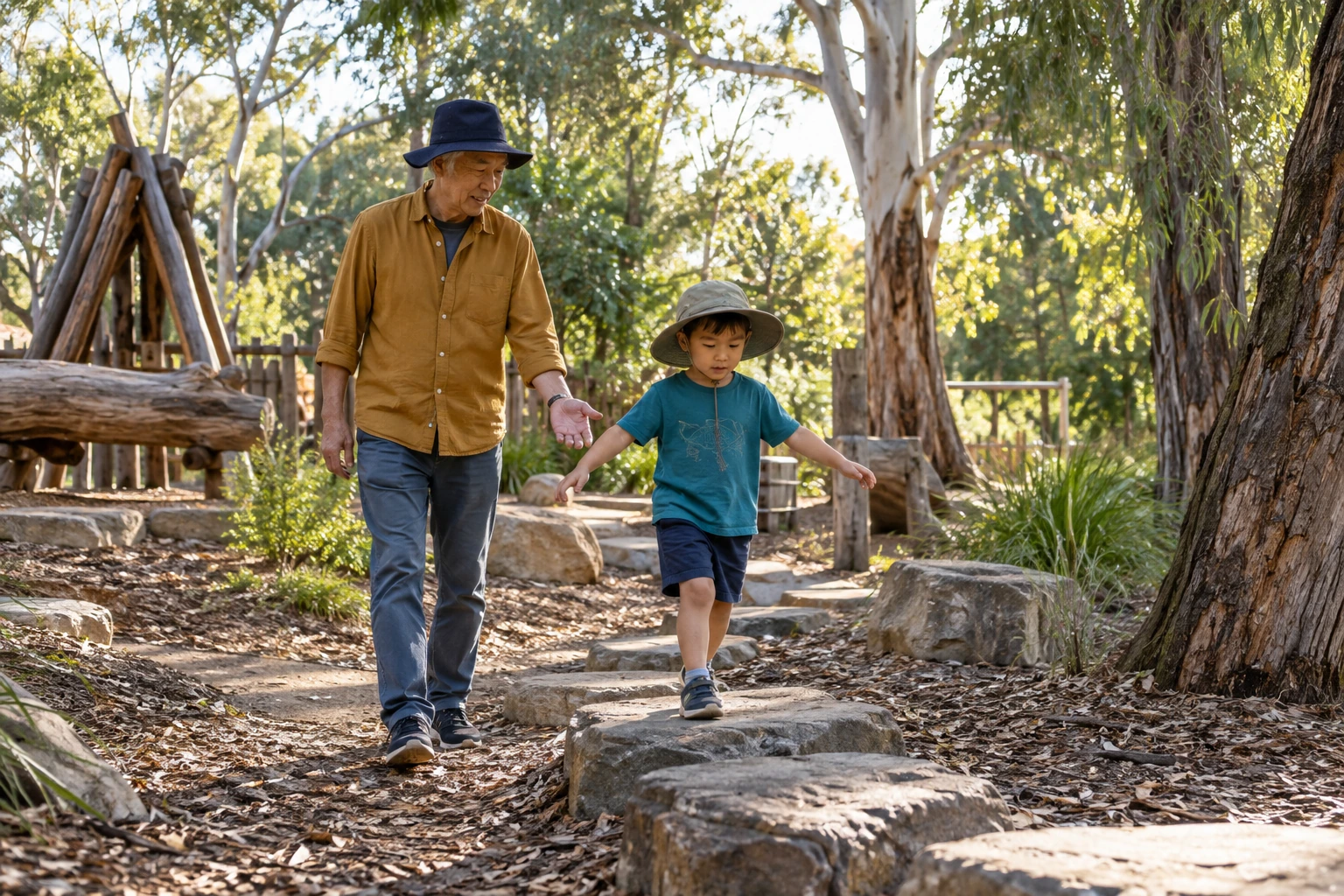
Rather than limiting development to appointments or structured sessions, we help families incorporate strategies into everyday experiences such as:
- Playing together
- Reading
- Mealtimes
- Getting dressed
- Bedtime routines
- Shopping
- Community activities
- Time with siblings
- Early childhood environments
- Preparing for school
This helps children practise skills in the places where they naturally live, learn, play and connect.
Our Approach
Families Are at the Centre of Everything We Do

Parents, carers and kin know their children in ways no professional can replace.
We see families as active partners in the support process.
Our practitioners bring professional knowledge and experience, while families bring their understanding of their child's personality, strengths, interests, routines, culture and everyday life.
Together, we identify priorities that are meaningful to the child and family.
Family-Centred
Families are actively involved in planning, decision-making, goal setting and reviewing progress.
Strengths-Based
We focus on what children and families can already do and build from those strengths.
Child-Focused
The child's safety, wellbeing, dignity, rights and best interests remain central to every decision.
Practical
We focus on strategies families can realistically use within everyday life.
Inclusive
We recognise and respect different abilities, communication styles, cultures, languages and family circumstances.
Collaborative
We work with families and, where appropriate, other professionals and services involved in the child's life.
We Focus on Strengths
Seeing the Whole Child
Children should not be defined only by the things they find difficult.
We look at the whole child — their interests, abilities, relationships, personality, successful routines and the things they already enjoy doing.
These strengths can become powerful starting points for development.
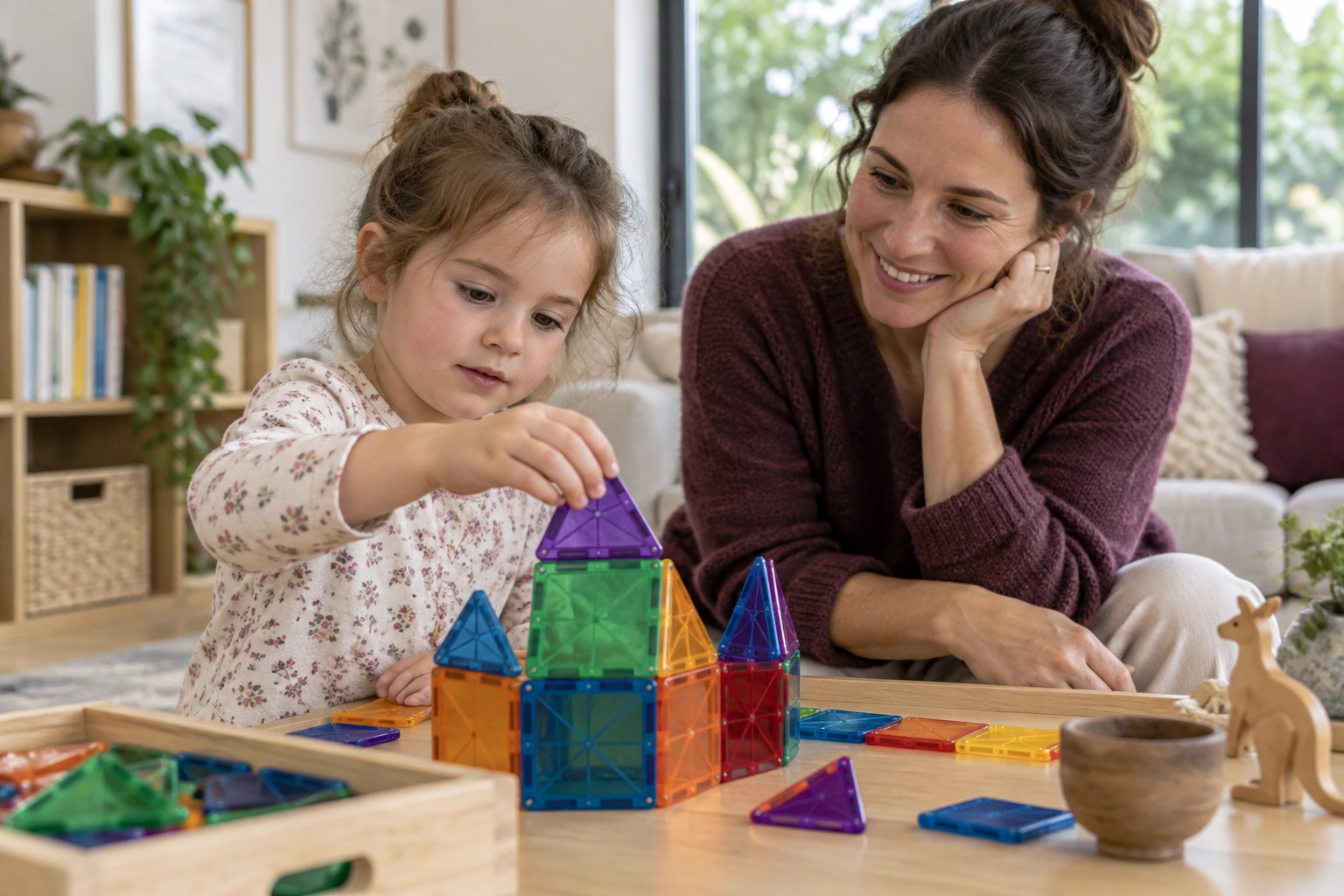
For example, a child's interest in music, books, movement, outdoor play or particular games can be incorporated into activities that support communication, social interaction, learning and participation.
We also help parents recognise the things they are already doing well and build confidence in their ability to support their child.
A Multidisciplinary Approach
Different Expertise Working Together
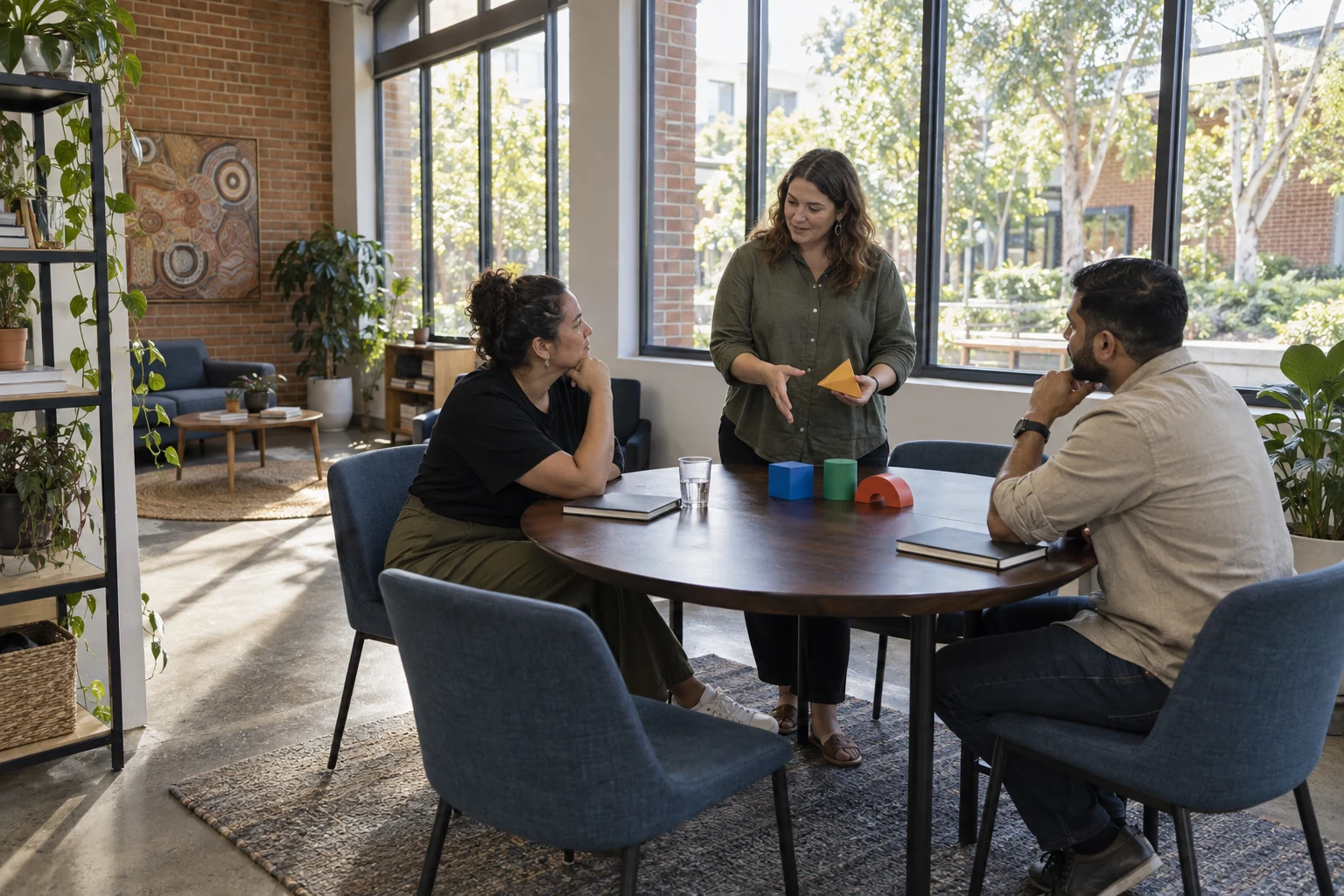
Children's development is connected across many different areas of life.
Our multidisciplinary approach allows families to benefit from knowledge and experience across early childhood, allied health, behaviour support, family support and community services.
Depending on the support required, our broader team may include:
- Early Childhood Practitioners
- Speech Pathologists
- Occupational Therapists
- Psychologists
- Behaviour Support Practitioners
- Social Workers
- Family Support Practitioners
- Community Support Workers
- Bicultural and Multilingual Workers
- Parent and Carer Peer Facilitators
Rather than providing disconnected support, we aim to work collaboratively around the needs and goals of the child and family.
Working Alongside Parents and Carers
Building Skills That Continue Beyond Our Services
A key part of our approach is building the confidence and capability of parents, carers and kin.
Our practitioners do not simply tell families what to do.
We use practical approaches such as:
- Demonstration
- Coaching
- Guided practice
- Discussion
- Feedback
- Goal setting
- Reviewing progress
Parents can practise strategies alongside practitioners and then continue using them within everyday family routines.
Our goal is for families to feel increasingly confident in supporting their child's development independently.
Support in Natural Environments
Helping Children Where Life Happens
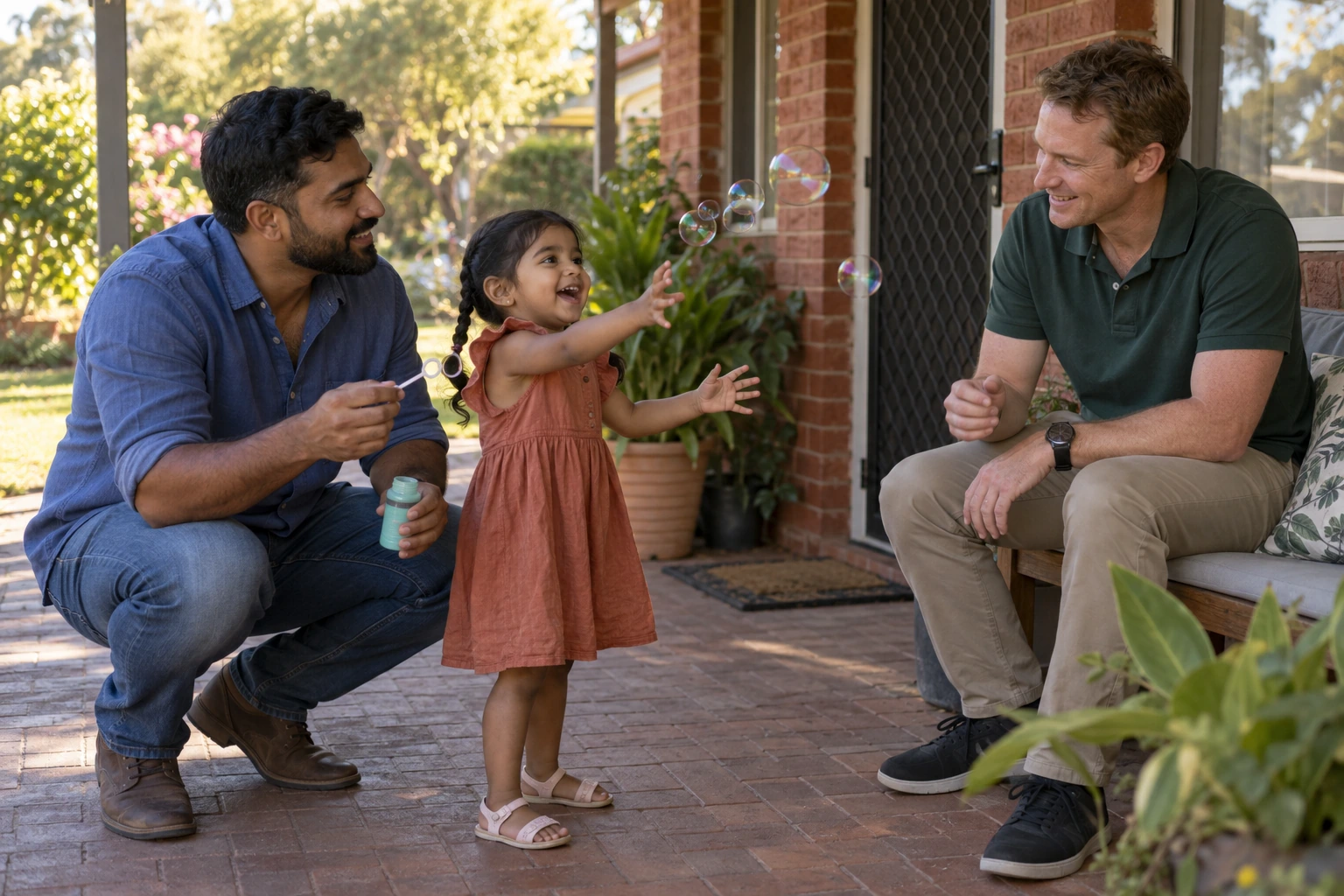
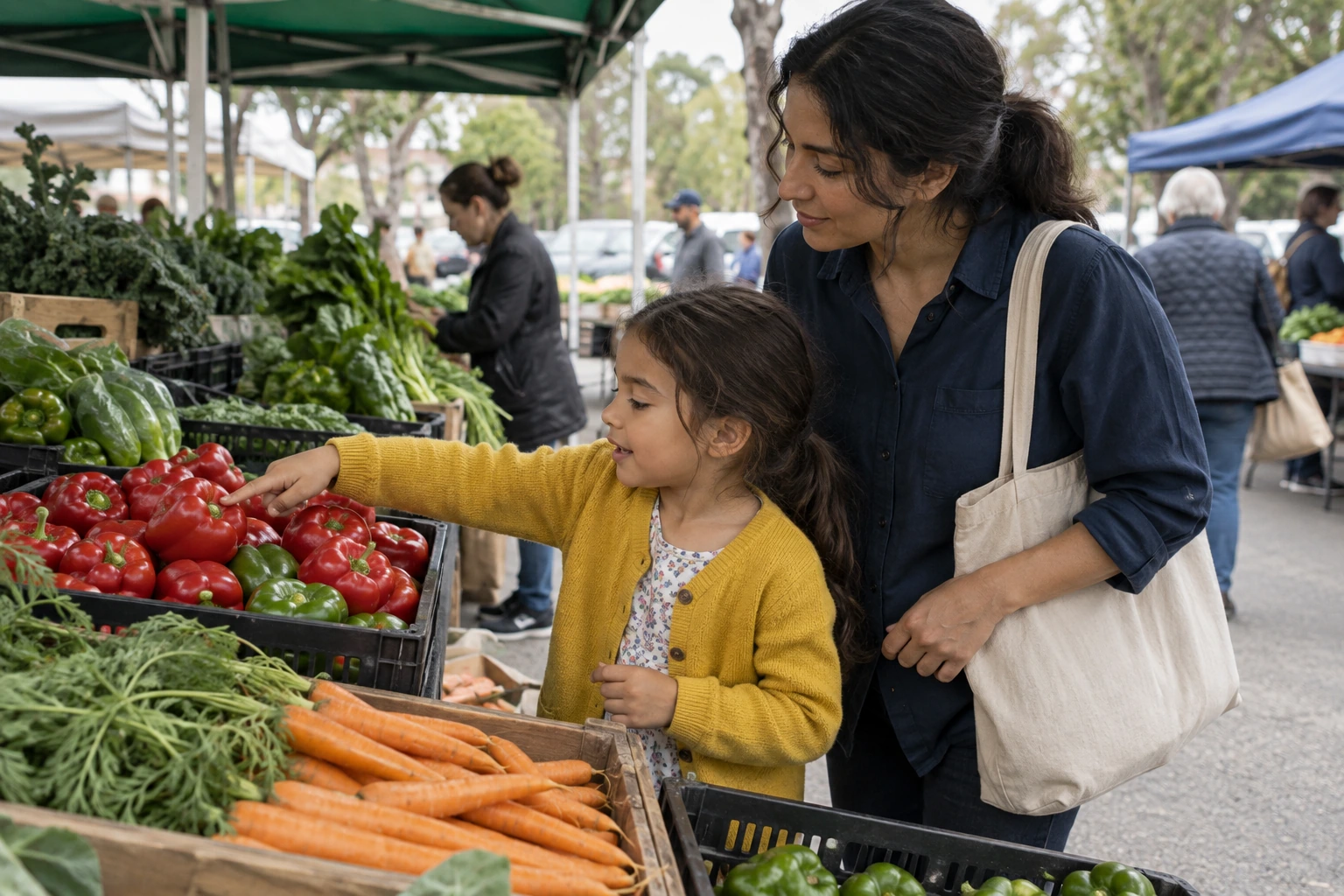
Children learn through everyday experiences.
For this reason, support does not always need to happen in a traditional clinical environment.
Our services can be provided through appropriate settings such as:
- Family homes
- Community-based programs
- Early childhood environments
- Schools
- Community centres
- Child and Parent Centres
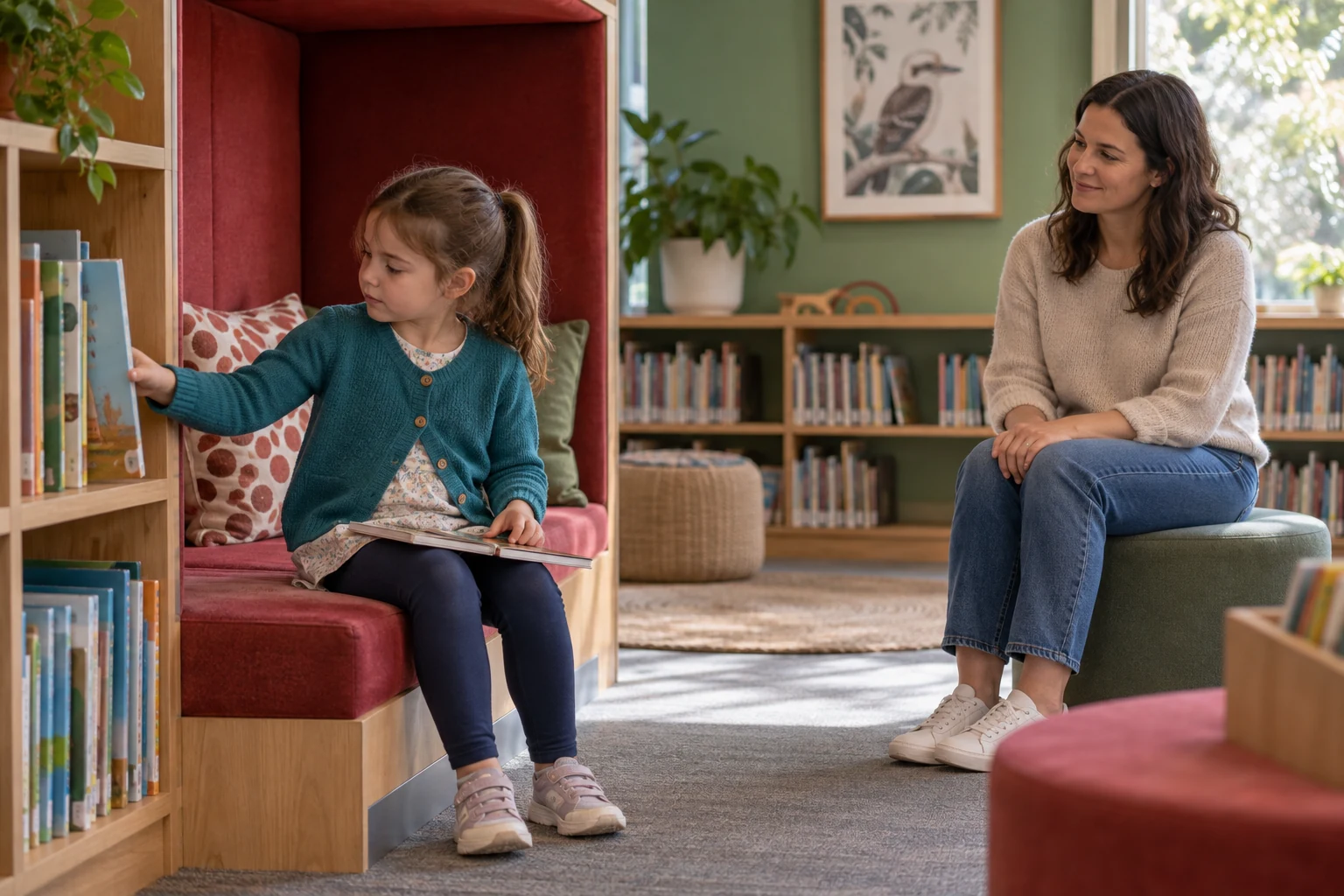
- Libraries
- Other familiar community settings
Working in familiar environments can help families apply strategies to real situations and everyday routines.
Inclusive & Culturally Responsive Support
Respecting Every Family's Identity
Western Australian communities are diverse, and we believe services should recognise and respond to that diversity.
We aim to provide support that respects each family's:
- Culture
- Language
- Values
- Family structure
- Community connections
- Preferences
- Individual circumstances
Where appropriate and available, families may be supported by multilingual practitioners, bicultural workers and interpreters.
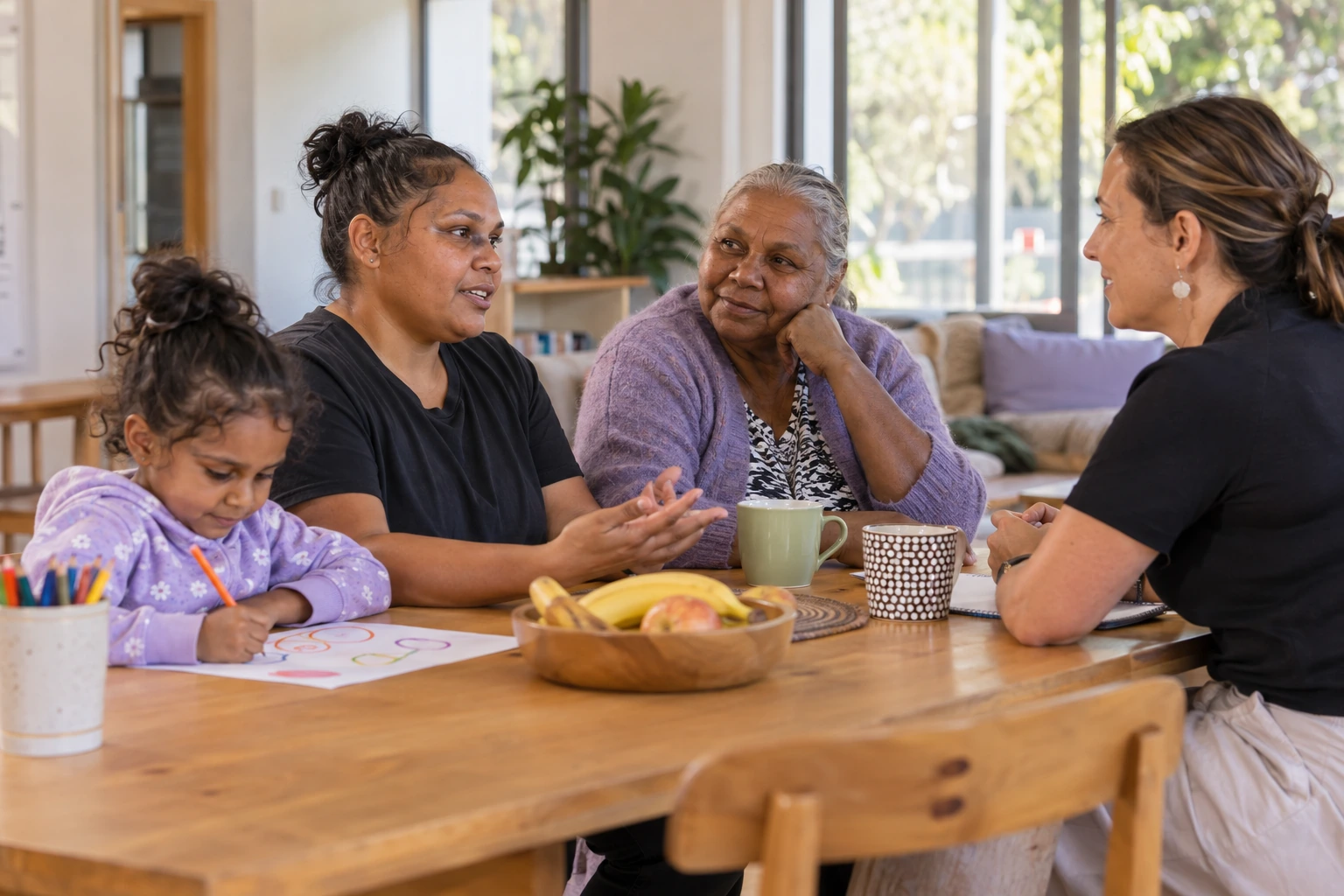
Our organisation also recognises the importance of working respectfully with Aboriginal children, families, community workers and appropriate Aboriginal organisations to support culturally safe practice.
Child Safety Comes First
Safe, Respectful and Child-Focused
Children have the right to feel safe, respected and heard.
We are committed to child-safe practice across our services.
Our practitioners consider children's:
- Safety
- Wellbeing
- Dignity
- Communication needs
- Comfort
- Culture and identity
- Developmental needs
- Participation preferences
Children are supported to participate in ways that are appropriate to their age, development and communication abilities.
We pay attention to both verbal and non-verbal communication and respect children's comfort and participation levels.
Staff working directly with children are expected to meet relevant screening, professional, safeguarding, privacy and child-safety requirements.
Connecting Families With the Right Support
You Don't Have to Navigate Everything Alone
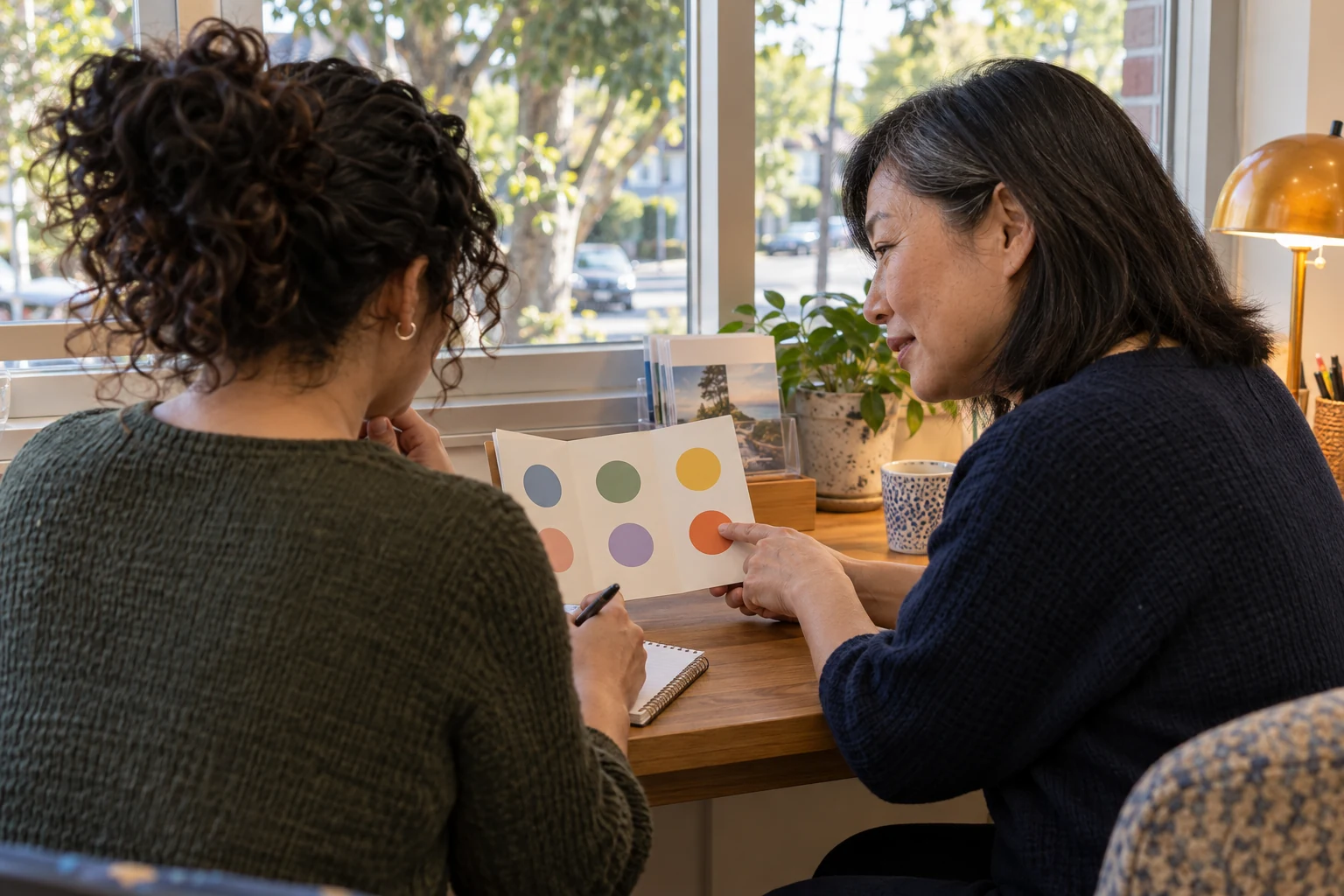
Families can sometimes find it difficult to understand which services are available or where to go next.
Our team can help families understand available options and connect with appropriate supports.
This can include helping families:
- Understand referral pathways
- Prepare for appointments
- Identify appropriate services
- Ask informed questions
- Connect with allied health services
- Connect with health services
- Access education and community supports
- Identify additional support when needs fall outside our service scope
We believe good support also means recognising when another service may be better placed to help.
Our Community Focus
Local Support. Stronger Connections.
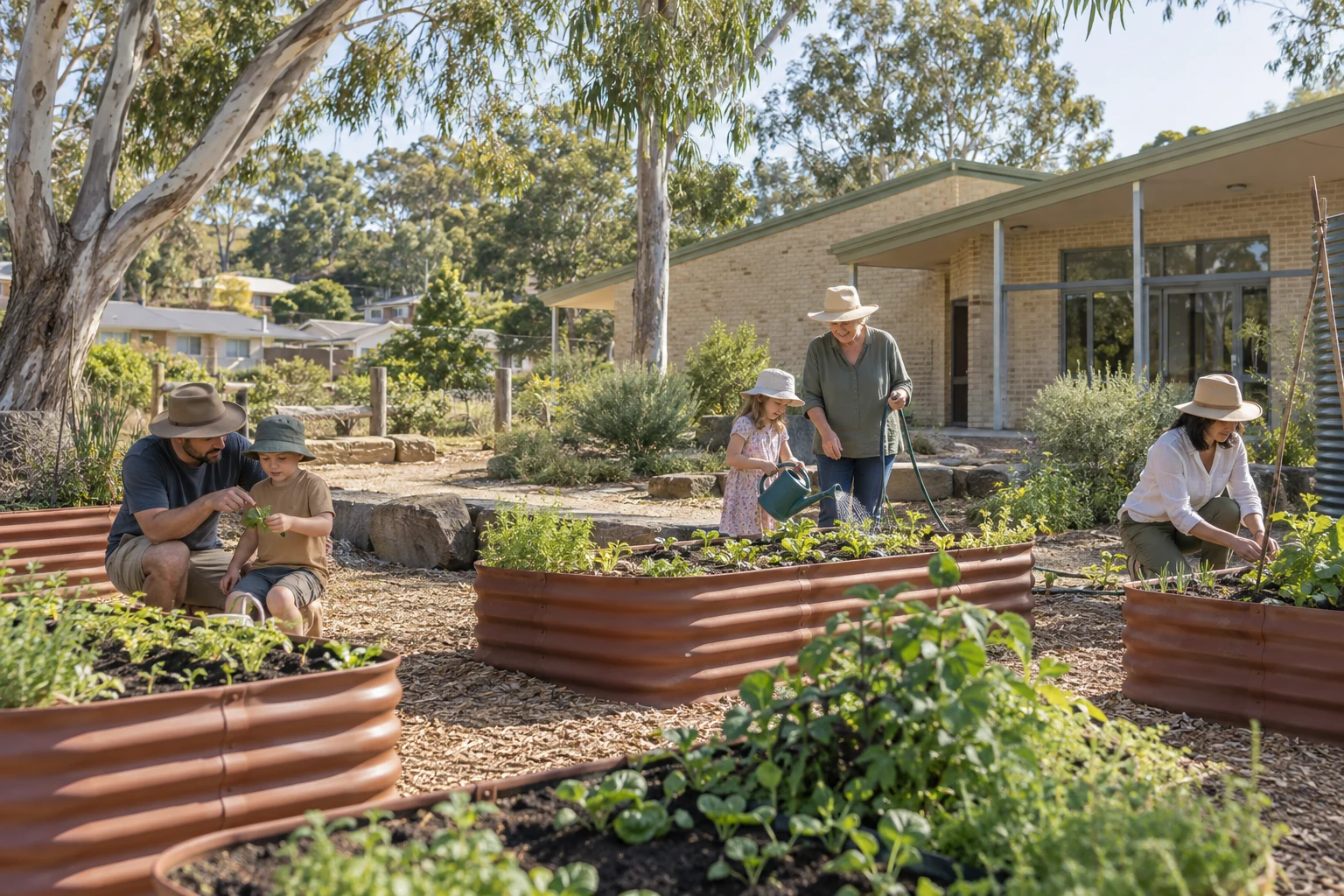
We believe families should be able to access support within their own communities wherever possible.
Our services are designed to work alongside community organisations, early childhood services, schools, health and allied health providers and other relevant support networks.
Building strong local connections helps make referrals easier, reduces barriers to accessing support and creates better continuity for children and families.

Supporting Families Across Western Australia
We support children and families across metropolitan, regional and rural communities in Western Australia.
Our service areas include:
- Armadale
- Gosnells
- Kwinana
- Geraldton / Mid West
- Kalgoorlie-Boulder / Goldfields
- Northam / Wheatbelt
Our aim is to make child and family support more accessible through locally connected, community-based services.
What Matters to Us
Children
Every child's safety, dignity, strengths and individual needs matter.
Families
Parents, carers and kin are valued partners in supporting children's development.
Inclusion
Children should have meaningful opportunities to participate in family, learning and community life.
Respect
Every family's culture, identity, values and choices deserve respect.
Collaboration
Better outcomes are supported when families, practitioners and communities work together.
Capability
We aim to build skills and confidence that families can continue using long after direct support has finished.
Why Choose Allied Health, Child and Family Support Services?
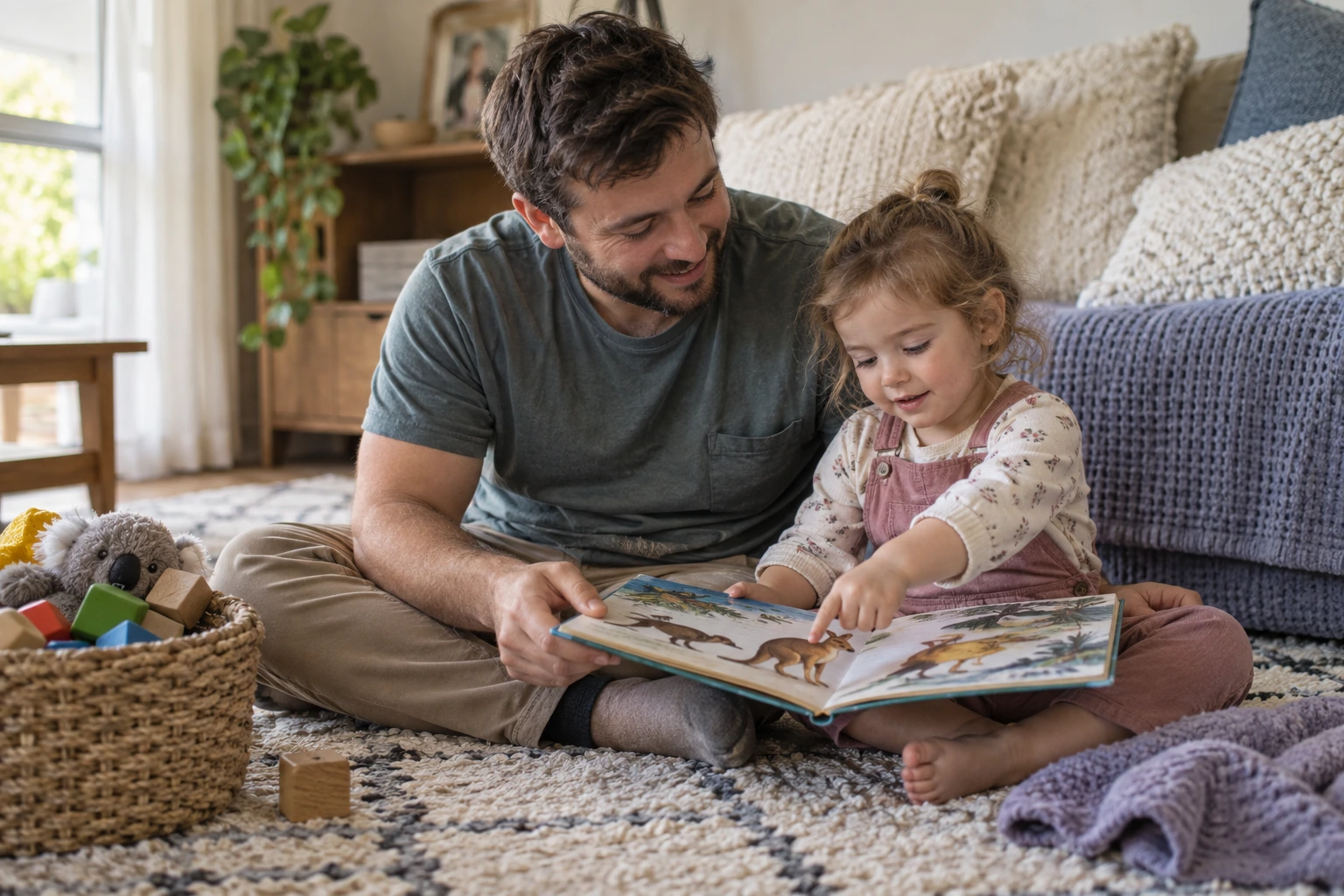
Families choose us because our approach is built around the whole child and the whole family.
We combine professional knowledge with practical family support and focus on strategies that make sense in real life.
Our approach is:
- Family-centred
- Strengths-based
- Child-safe
- Practical
- Inclusive
- Culturally responsive
- Community-focused
- Collaborative
Most importantly, we work with families, helping them feel more informed, capable and confident as they support their child's development.
Final Call to Action
We're Here to Support Your Family
Every family's journey is different.
Whether you have concerns about your child's development, would like practical guidance or simply want to understand what support may be available, our team is ready to listen.
Buttons
Supporting Children. Strengthening Families. Building Confidence.