PARENT & CARER PEER SUPPORT

Connection, Understanding and Shared Experience

Our Parent & Carer Peer Support groups provide a welcoming space for parents, carers and kin to connect with others, share experiences and build supportive relationships.
Caring for a child with developmental concerns, developmental delay or autism can sometimes feel overwhelming or isolating. Peer support gives families an opportunity to talk with others who may understand similar experiences and challenges.
The focus is on connection, practical discussion and building confidence within a respectful and culturally responsive environment.
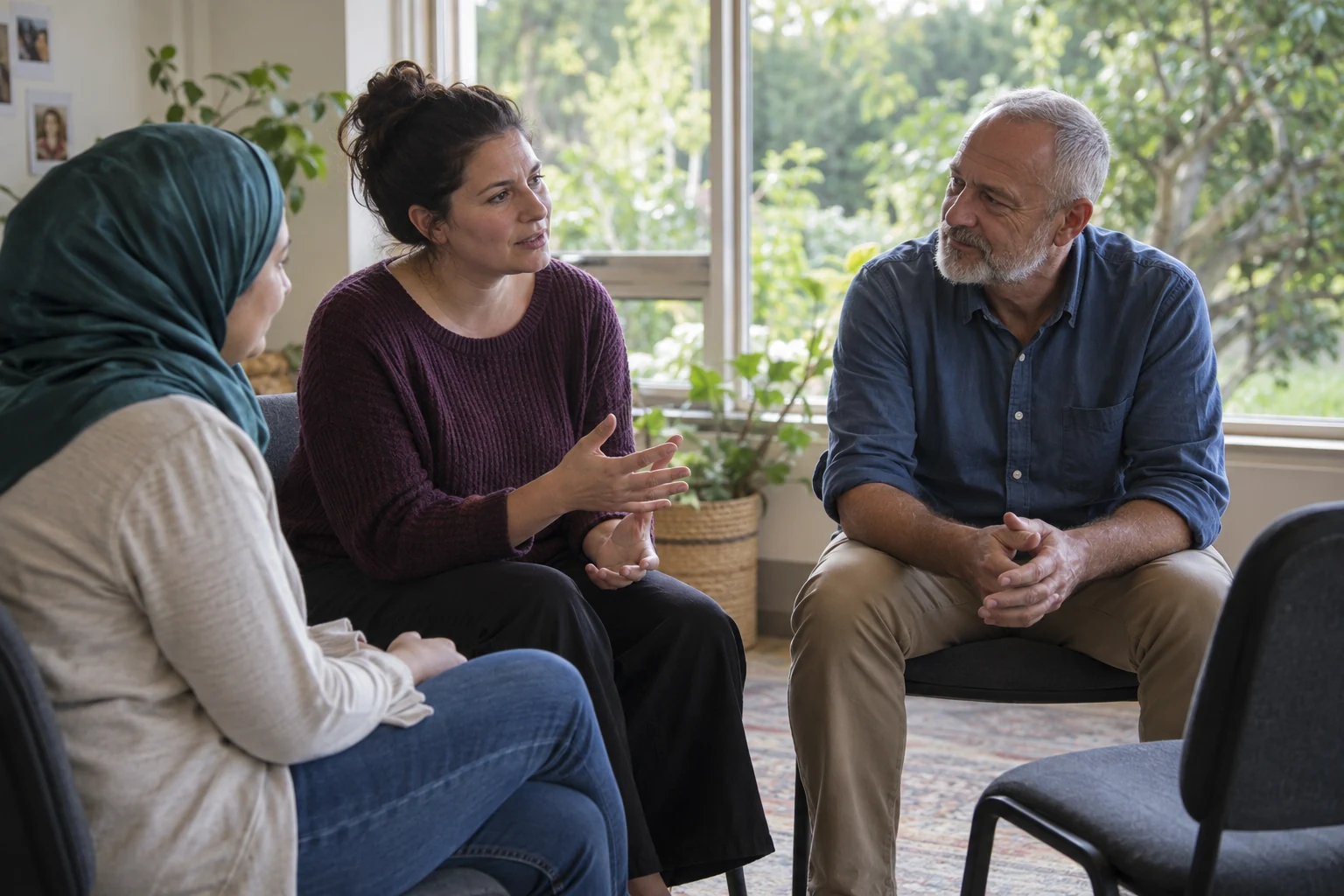
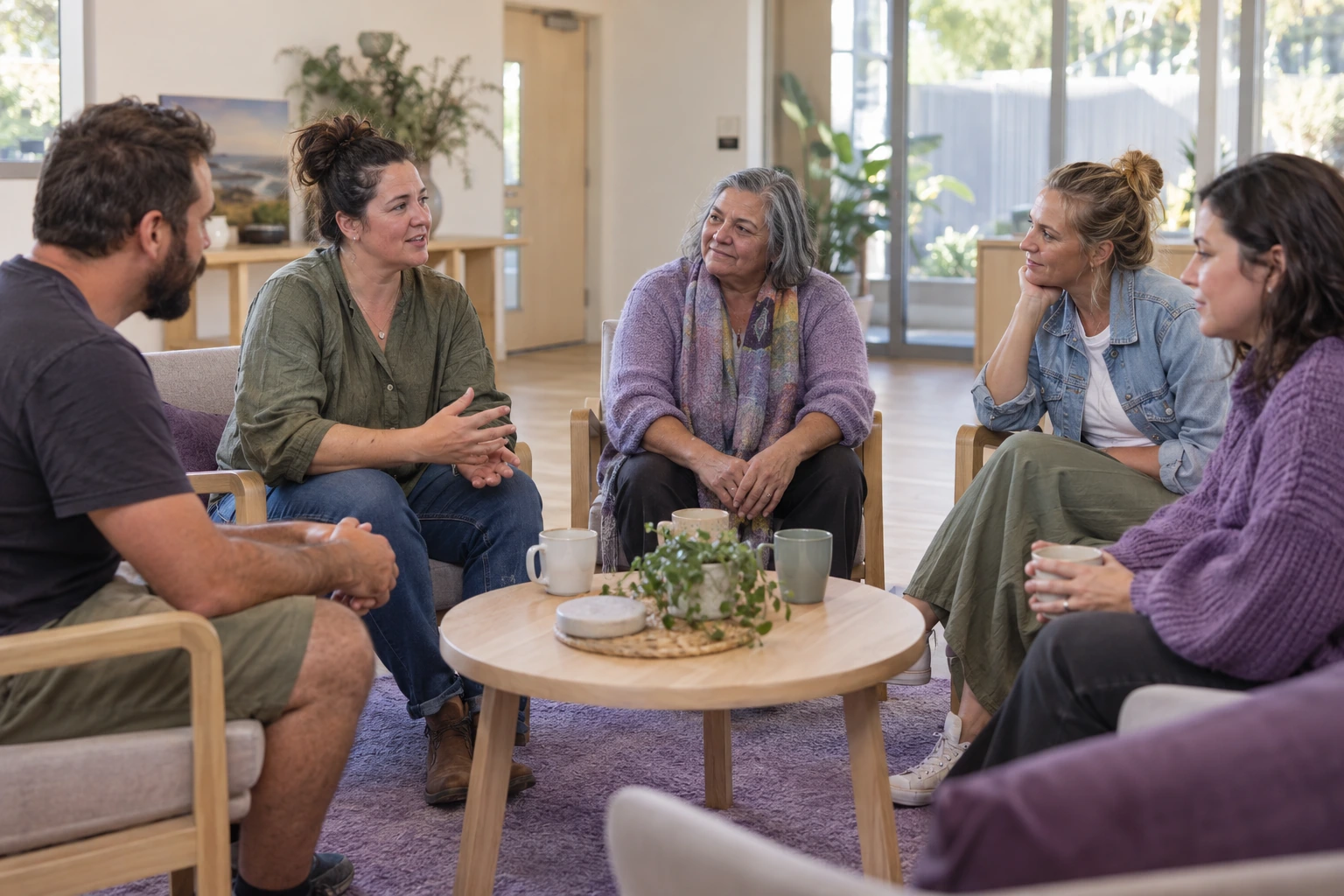
Parents sharing a relaxed conversation in a supportive group.

Who Are Peer Support Groups For?

Peer support groups are designed for parents, carers and kin of children aged 0–8 years who may benefit from:
  • Connecting with other families
  • Sharing experiences
  • Discussing everyday challenges
  • Learning practical ideas from others
  • Building confidence
  • Feeling less isolated
  • Strengthening community connections
  • Understanding different ways to support their child
Families do not need to have all the answers before joining.
The purpose of the group is to create a supportive environment where people can learn from one another.
Parents and carers sharing experiences in a peer group.

What Happens During a Peer Support Session?

Sessions are facilitated and structured to encourage respectful discussion and connection.

Sharing Experiences

Families can talk about their experiences, challenges and successes in a supportive environment.

Practical Discussion

Participants may discuss strategies that have helped with communication, routines, behaviour, school transition or everyday family life.

Learning From Others

Hearing how another family has approached a similar situation can provide new ideas and reassurance.

Building Connections

Groups can help families form supportive relationships and feel more connected within their local community.

Reflecting on Family Goals

Parents and carers may have opportunities to think about what they would like to work on and identify practical next steps.
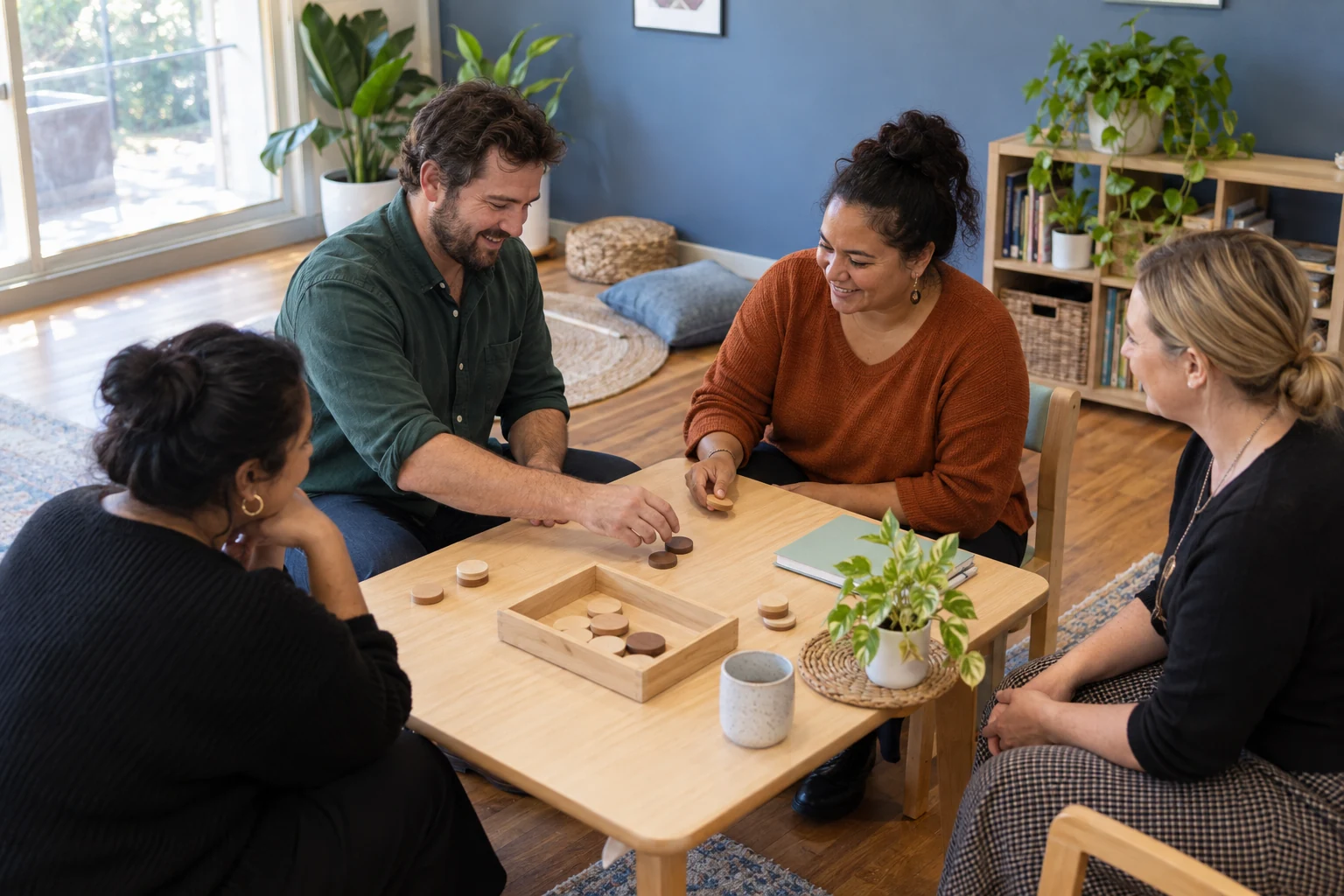
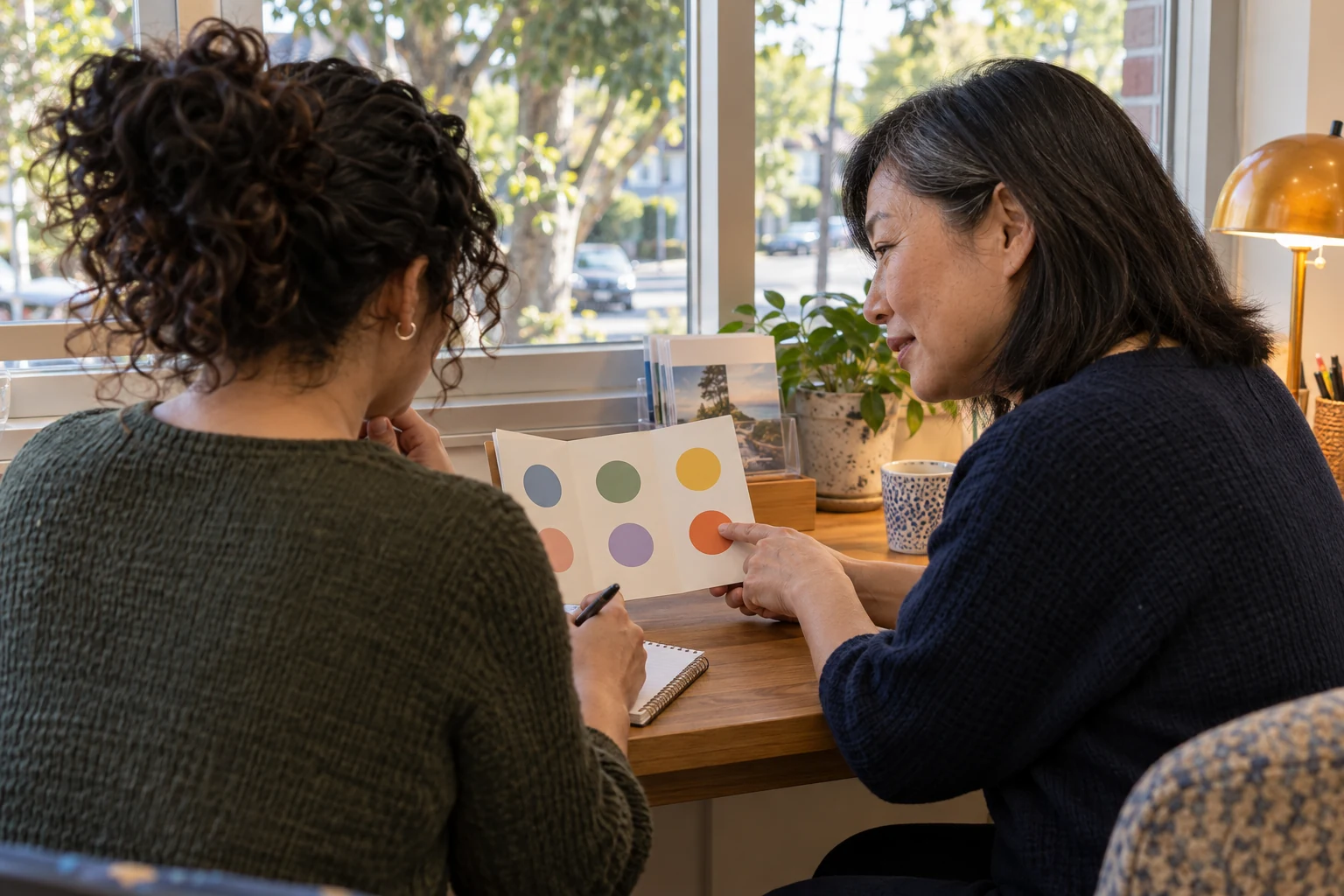
A parent considering support options during a relaxed first conversation.

A Safe and Respectful Space

We aim to create an environment where families feel comfortable speaking openly.
Peer support is based on:
  • Respect
  • Confidentiality
  • Listening
  • Inclusion
  • Cultural sensitivity
  • Non-judgement
  • Shared understanding
Participants are encouraged to contribute at a level that feels comfortable for them.
There is no pressure to share personal information.
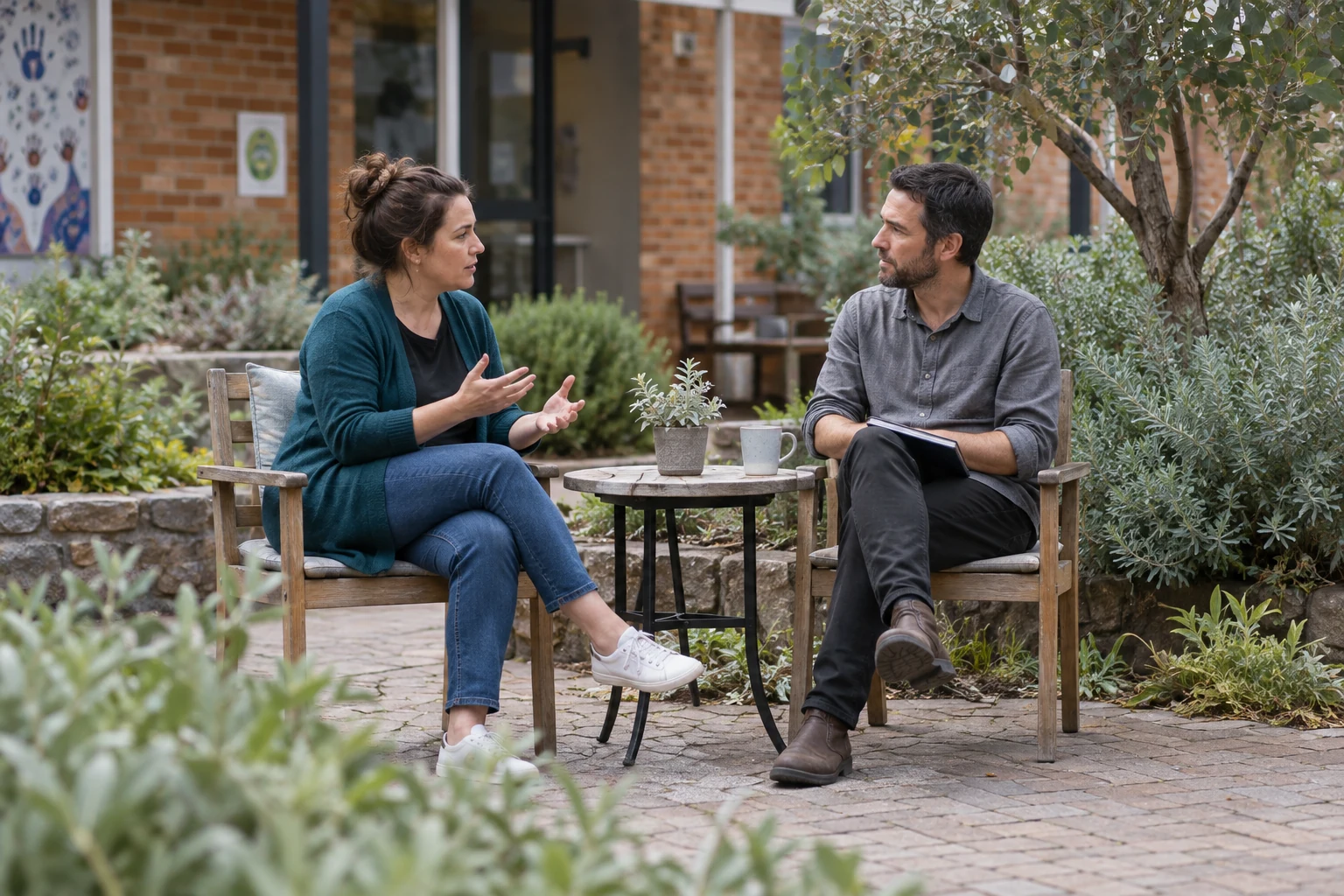
A mother explaining her priorities to a practitioner.

Building Parent and Carer Confidence

Peer support is not only about talking.
It can also help families feel more confident in supporting their child.
Through discussion and shared learning, parents and carers may:
  • Gain new perspectives
  • Recognise their existing strengths
  • Learn practical strategies
  • Feel more confident asking questions
  • Understand that other families may face similar challenges
  • Develop stronger community connections
  • Feel more prepared to make decisions about support
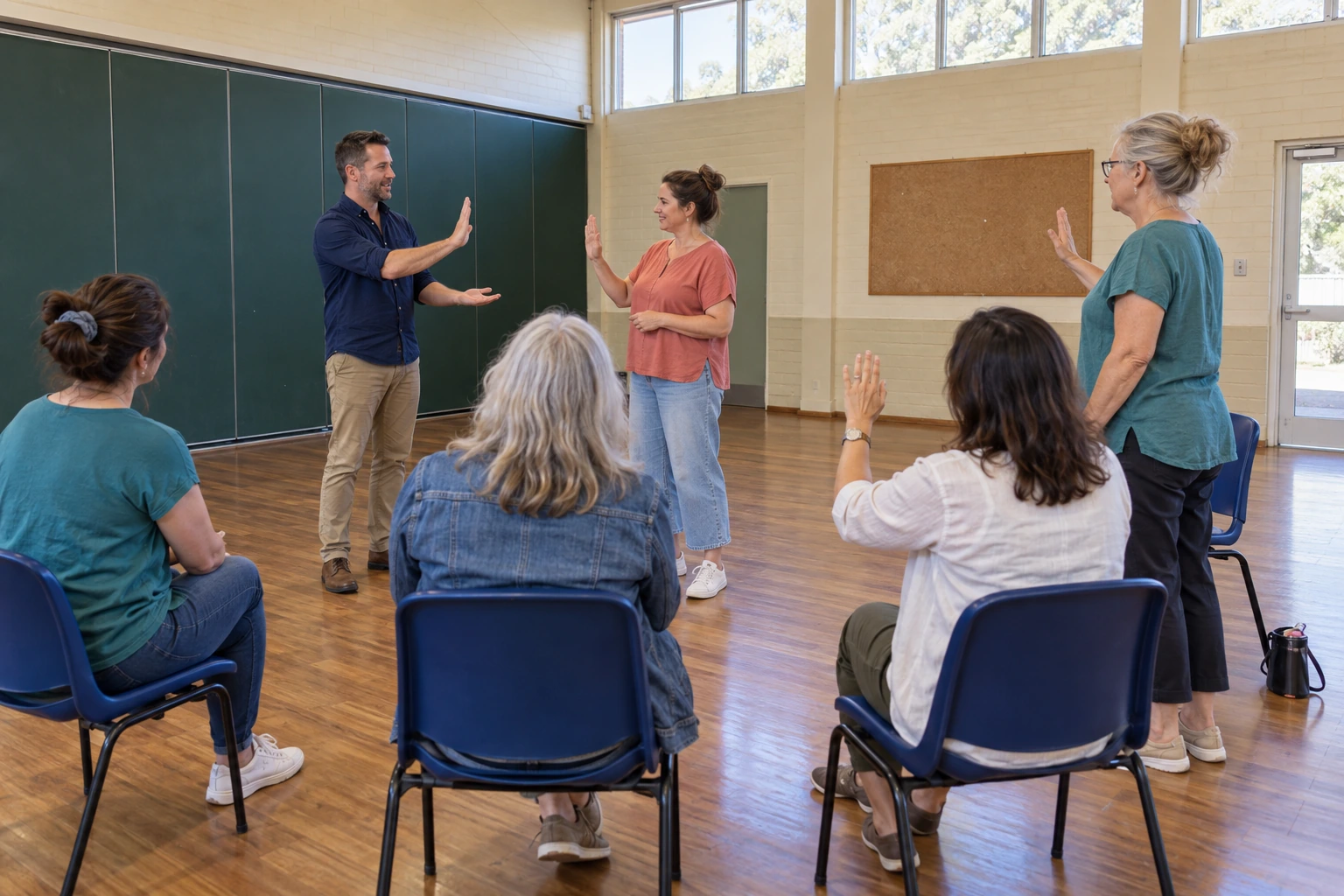
Parents practising everyday strategies in a small workshop.

Practical Topics Families May Discuss

Peer support discussions may include topics such as:
  • Communication
  • Play
  • Emotional regulation
  • Everyday routines
  • Sensory preferences
  • Positive behaviour support
  • Social participation
  • School readiness
  • Navigating services
  • Parent wellbeing
  • Family relationships
  • Community participation
Topics may vary depending on the interests and needs of the families attending.
Parents practising a strategy together during a workshop.

Family-Centred and Strengths-Based

Every family has different circumstances, priorities and experiences.
Peer support does not assume there is one correct way to parent or support a child.
Instead, families are encouraged to:
  • Recognise what is already working well
  • Share ideas respectfully
  • Learn from different experiences
  • Consider strategies that suit their own family
  • Set realistic and meaningful goals
The aim is to strengthen confidence, not create pressure.
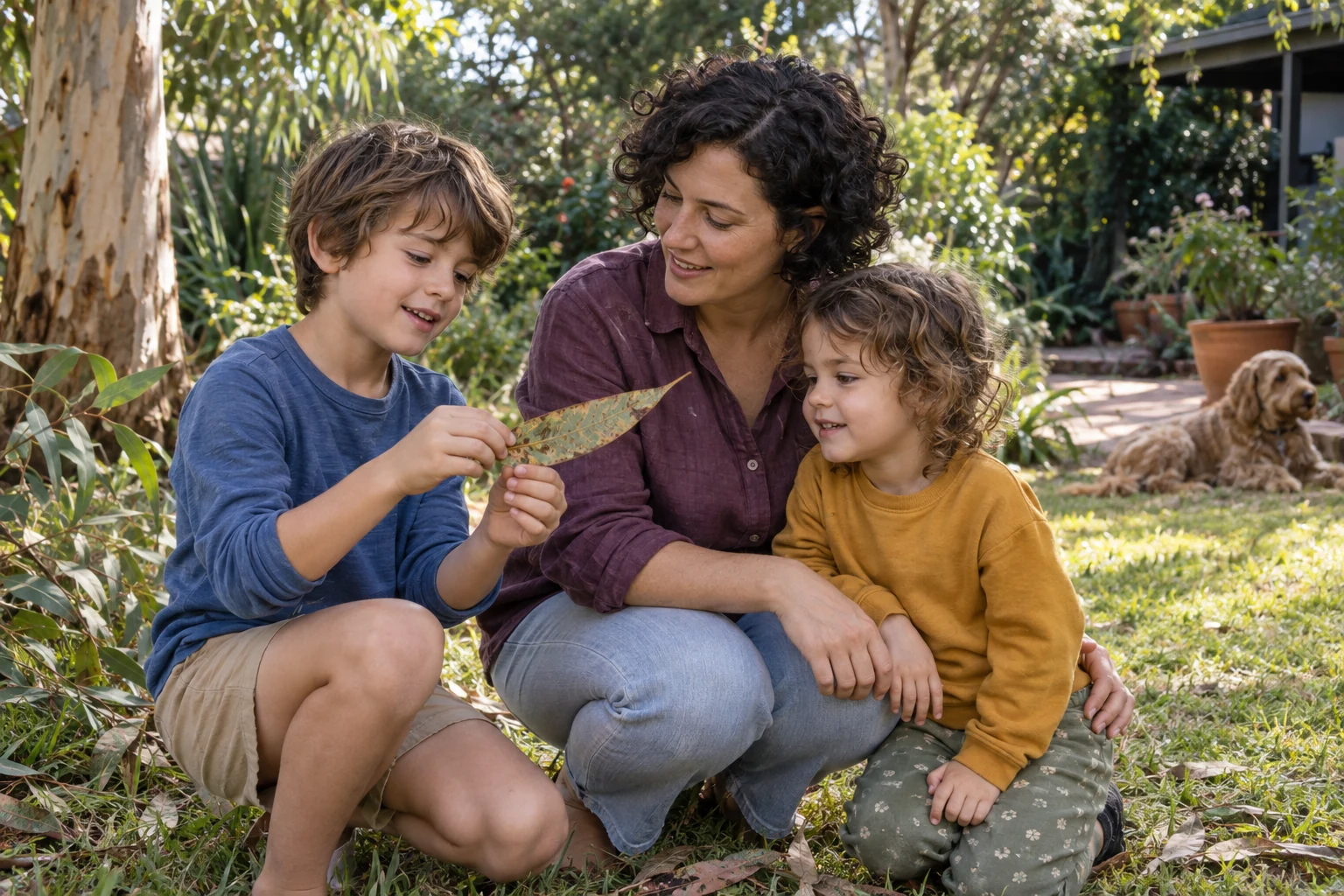
A family exploring leaves together in a garden.

Culturally Responsive Support

Families come from many different cultural and linguistic backgrounds.
Our peer support groups aim to be welcoming and respectful of:
  • Culture
  • Language
  • Family values
  • Religious beliefs
  • Parenting traditions
  • Community connections
  • Individual circumstances
Where appropriate and available, support may include multilingual facilitators, bicultural workers or interpreters.
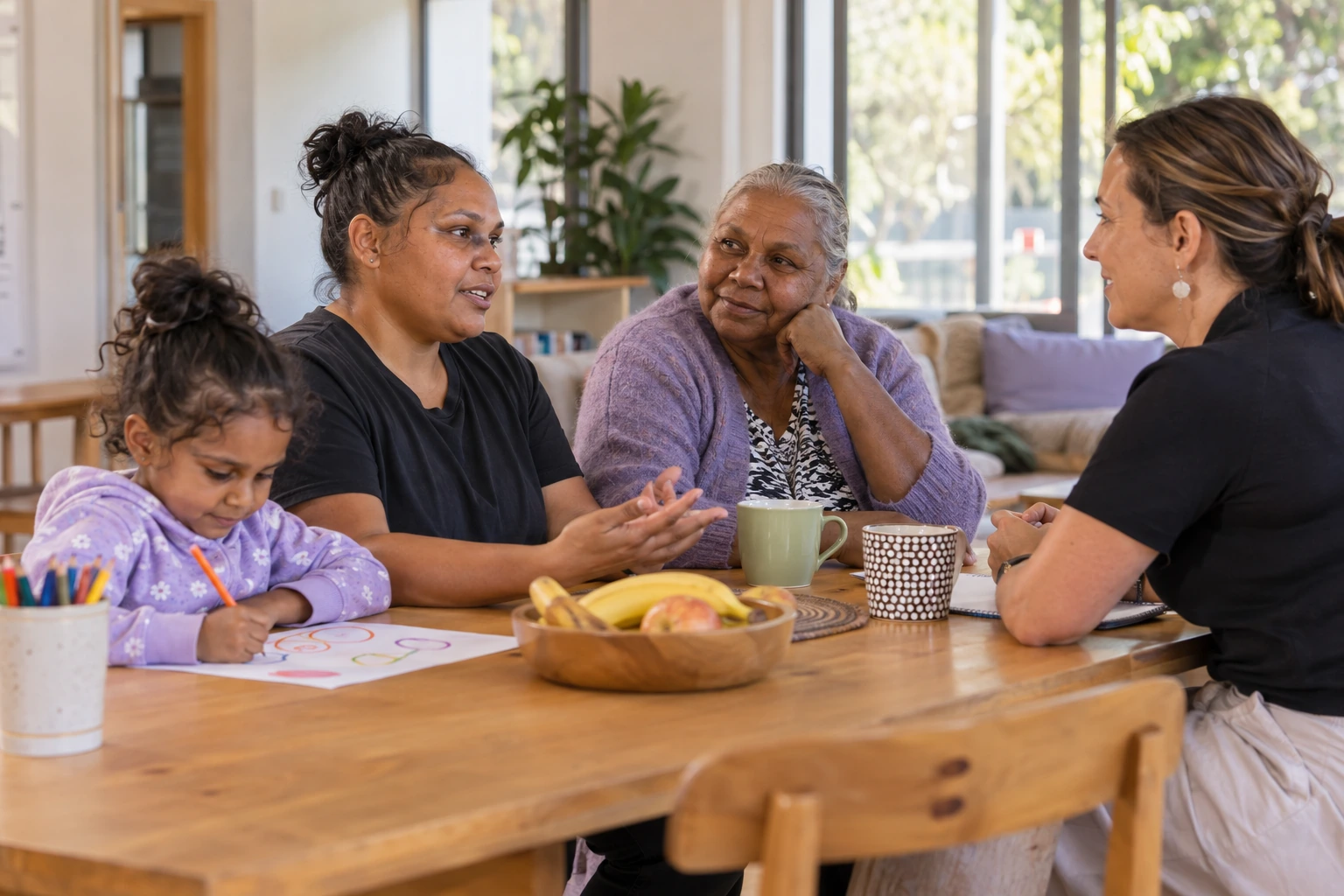
Family members speaking with a practitioner while their child draws.

Facilitated Support

Peer support groups are facilitated to help maintain a safe, respectful and constructive environment.
Facilitators may help:
  • Guide discussion
  • Encourage participation
  • Keep conversations respectful
  • Provide general information
  • Identify useful resources
  • Help families connect with other services where appropriate
Peer support is designed to complement professional support, not replace it.
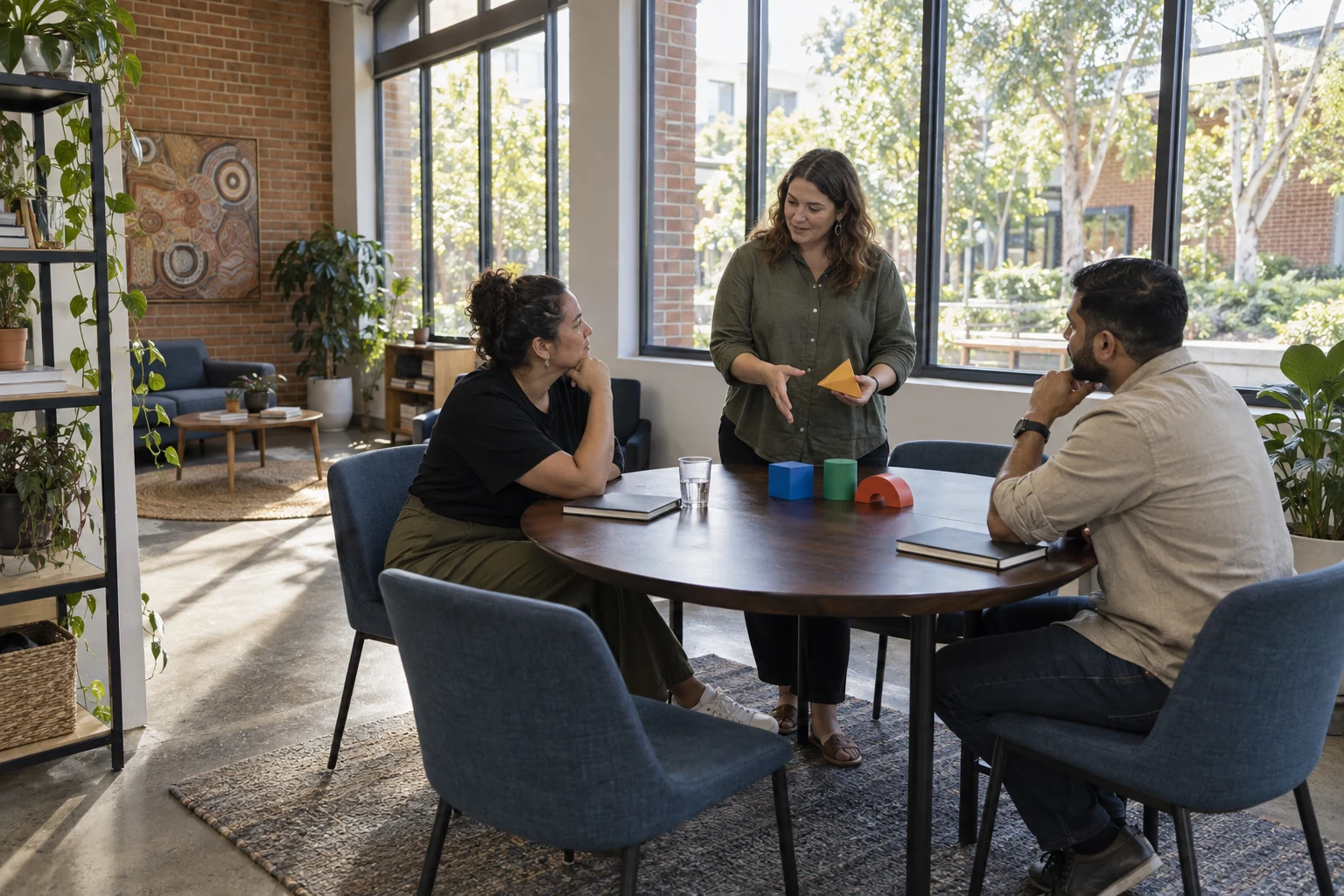
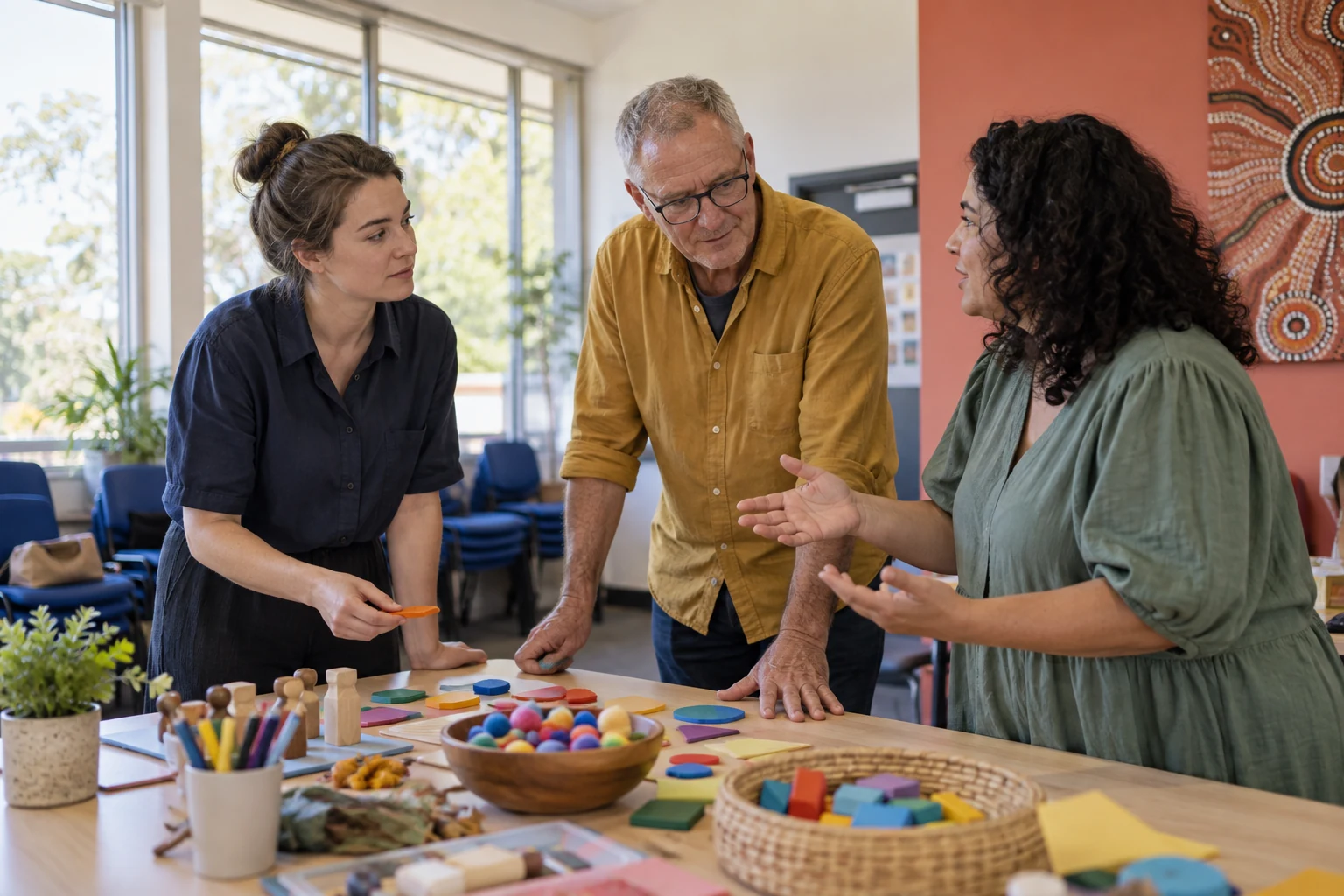
Practitioners sharing ideas at a community workspace.

When Additional Support Is Needed

Sometimes a family may raise concerns that require more individual or specialist support.
In these situations, our team may help the family identify appropriate next steps.
This may include:
  • Individual family support
  • Parent consultations
  • Home-based family coaching
  • Allied health services
  • Health services
  • Education supports
  • Community services
  • Referral pathways
The aim is to make sure families are connected with the right support when their needs go beyond a peer group setting.
A parent discussing support options with a coordinator.

How Often Do Groups Run?

Parent, Carer & Kin Peer Support Groups are designed to run fortnightly, with sessions generally lasting around 60–90 minutes.
Groups may be offered separately or alongside parent learning activities, depending on the location and family needs.

Where Are Peer Support Groups Held?

Groups may be delivered in accessible and family-friendly settings such as:
  • Community centres
  • Child and Parent Centres
  • Libraries
  • Neighbourhood houses
  • Early childhood settings
  • Partner venues
  • Other suitable community locations
The aim is to provide a welcoming environment where families can connect comfortably.
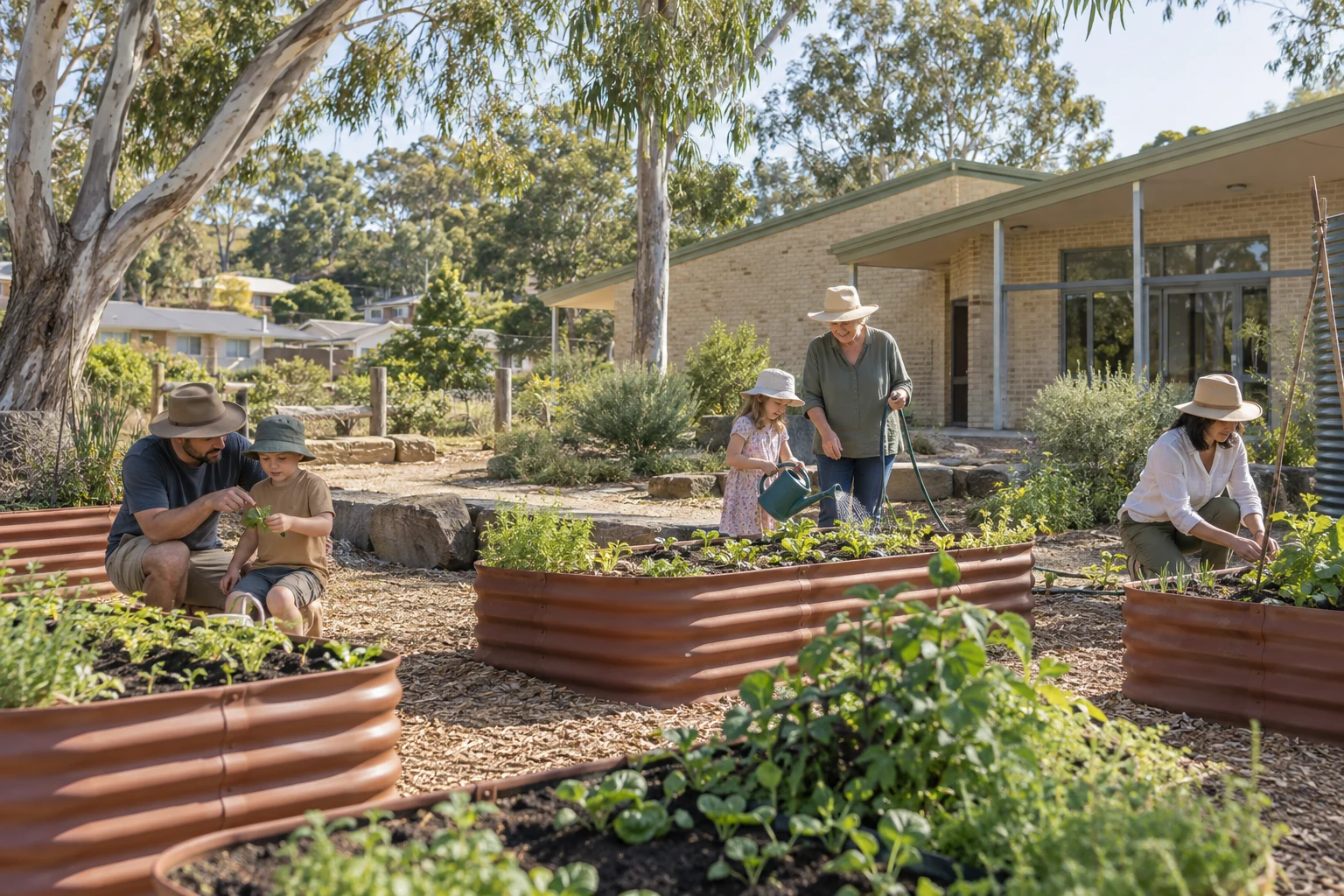
Families taking part in a community garden activity.

What Families Can Expect

Families can expect:
  • A welcoming and respectful environment
  • Opportunities to connect with other parents and carers
  • Facilitated discussion
  • Practical shared learning
  • Respect for individual experiences
  • Culturally responsive support
  • Information about other services where appropriate
  • A focus on confidence and connection
Practitioners exchanging ideas during a collaborative learning session.

Not Sure Whether Peer Support Is Right for You?

You do not need to know exactly what you want to discuss before attending.
You may simply want to meet other families, hear different perspectives or feel more connected.
Our team can explain how the groups work and help you decide whether they may be suitable for you.
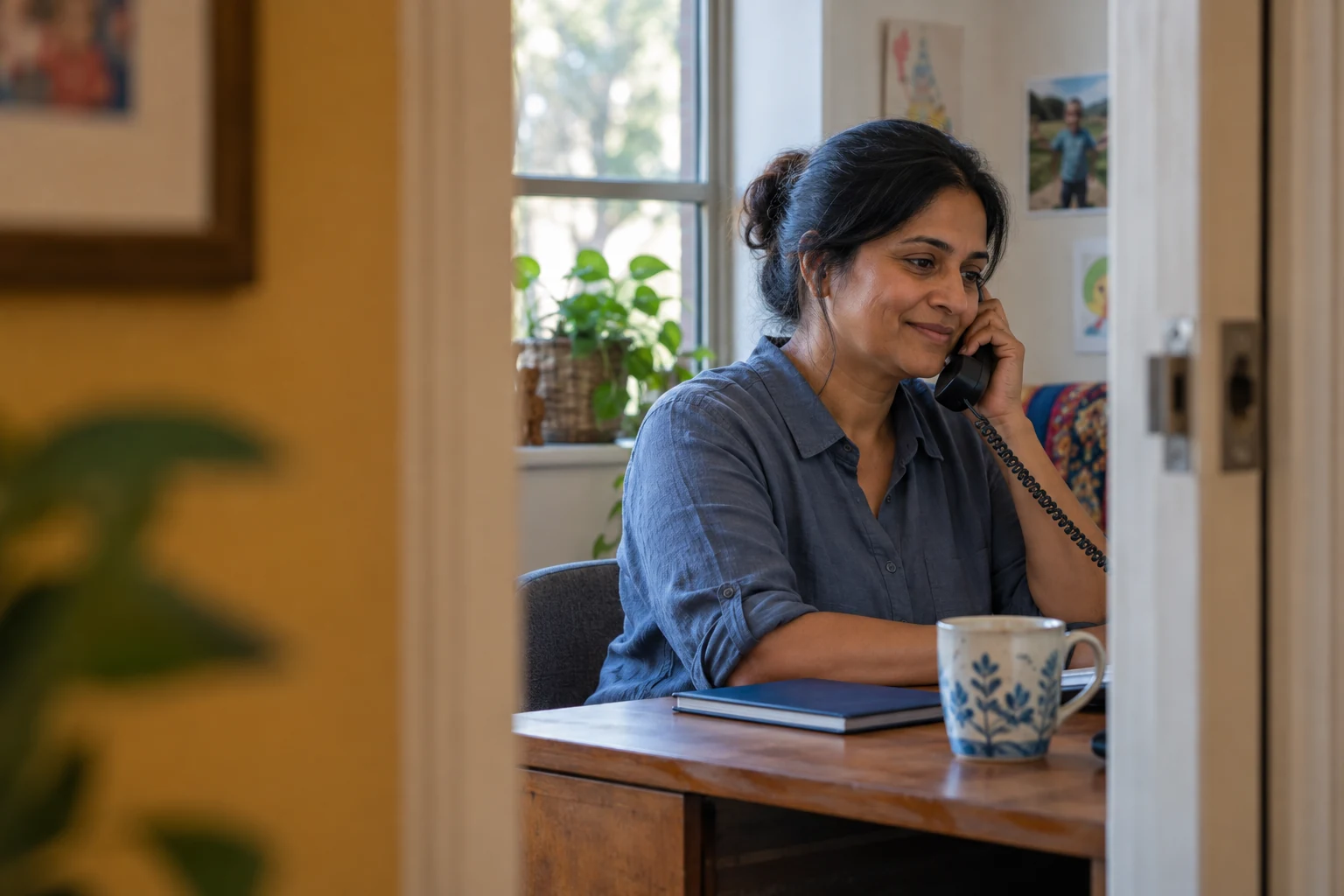
A team member listening attentively during a phone conversation.
Final Call to Action

You Don't Have to Navigate Parenting Alone

Parent & Carer Peer Support provides families with a space to connect, share experiences and build confidence alongside others.
If you would like to learn more about upcoming peer support groups, contact our team.
Buttons