HOME-BASED FAMILY SUPPORT

Practical Support in Your Child's Everyday Environment

Children often communicate, play and participate differently at home than they do in unfamiliar settings.
Our Home-Based Family Support service gives families the opportunity to receive practical guidance in the environment where everyday life actually happens.
With parent or authorised carer consent, practitioners can work with families at home to better understand the child's communication, play, interactions, routines and participation, while helping parents and carers build practical strategies they can use independently.

A child practising putting on shoes with a parent nearby at home.

Why Home-Based Support?

The home environment can provide valuable insight into a child's everyday experiences.
It allows practitioners to understand:
  • How the child communicates at home
  • How they play and interact
  • How everyday routines work
  • What the child already does well
  • What situations are challenging
  • What resources the family already uses
  • What support would be practical for the family
This helps make strategies more relevant to real family life.
A child practising an everyday task with a parent nearby.

Who May Benefit From Home-Based Support?

Home-based support may be helpful for families who:
  • Would like practical guidance within everyday routines
  • Find it difficult to attend community-based appointments
  • Want support within a familiar environment
  • Have transport or geographical barriers
  • Have caring responsibilities that make travel difficult
  • Would like support around specific home routines
  • Would benefit from individual parent coaching
  • Need help applying strategies from other sessions at home
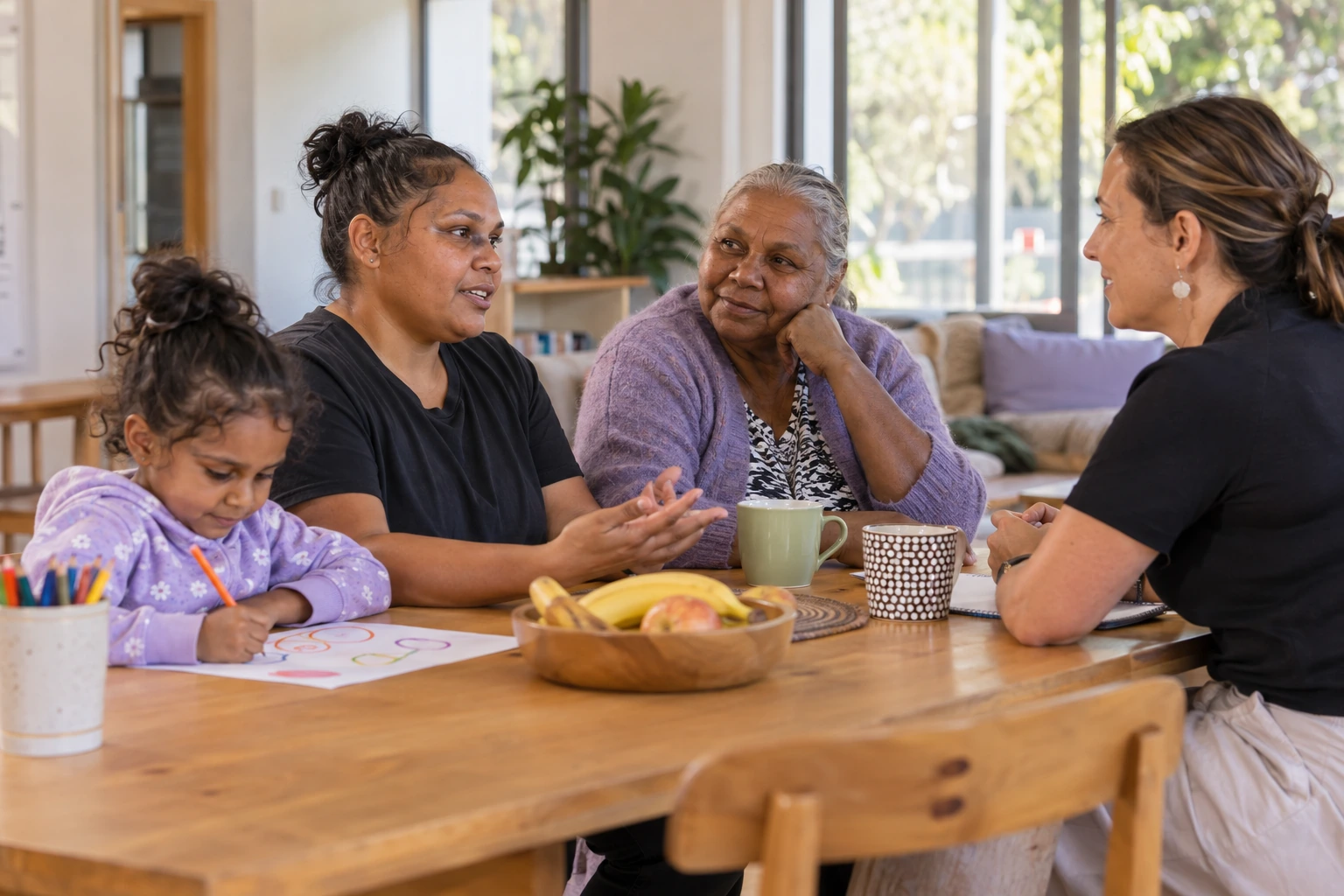
A mother explaining her priorities to a practitioner.

What Happens During a Home Visit?

Home visits are designed to be practical, respectful and focused on the family's priorities.

Observe Everyday Routines

The practitioner may observe how the child communicates, plays, interacts and participates during familiar activities.

Discuss Strengths and Concerns

Parents and carers can talk privately about what is going well, what feels difficult and what they would like support with.

Identify Practical Goals

Together, the family and practitioner can agree on realistic goals that are meaningful in everyday life.

Demonstrate Strategies

Practitioners may demonstrate practical ways to support communication, play, routines, participation or independence.

Coach Parents and Carers

Parents and carers can practise strategies with the practitioner present and receive immediate feedback and encouragement.

Review Progress

Where follow-up support is provided, strategies and family goals can be reviewed and adjusted according to what is working.
A parent practising a shared snack-time routine with a child and practitioner.

Support Based on Everyday Routines

Home-based support can focus on situations families experience every day.
This may include:
  • Playing together
  • Reading
  • Mealtimes
  • Getting dressed
  • Morning routines
  • Bedtime
  • Interactions with siblings
  • Leaving the house
  • Transitioning between activities
  • Communication during everyday tasks
  • Independent skills
  • Preparing for childcare or school
The aim is to use the family's existing routines, toys, resources and environment rather than relying only on activities created for an appointment.
A parent and child choosing produce together.

Communication and Interaction

A practitioner may help families identify opportunities to support communication throughout the day.
Strategies may focus on:
  • Encouraging the child to express choices
  • Responding to communication attempts
  • Supporting shared attention
  • Using clear and simple language
  • Creating opportunities for interaction
  • Building communication into play
  • Supporting the child to express needs
Strategies can then be practised within the child's normal routines.
A parent and child sharing a picture book.

Play and Participation

Play is an important part of children's development.
Home-based support may help families:
  • Follow the child's interests
  • Build shared play
  • Encourage interaction
  • Extend existing play skills
  • Support turn-taking
  • Create opportunities for learning
  • Encourage participation in family activities
The goal is to build on what the child already enjoys and does well.
A child building with colourful tiles while a parent follows their lead.

Supporting Everyday Routines

Some of the most challenging moments for families can happen during ordinary routines.
Support may focus on areas such as:
  • Getting ready in the morning
  • Mealtimes
  • Dressing
  • Bathing
  • Bedtime
  • Leaving the house
  • Moving between activities
  • Family outings
  • Homework or school preparation
Practitioners can work with families to identify practical strategies that fit their circumstances.
A parent practising a playful interaction with their child.

Building Independence

Home-based support can also help children build confidence with everyday skills.
Depending on the child's age and development, this may include:
  • Making choices
  • Following simple routines
  • Participating in self-care
  • Helping with age-appropriate tasks
  • Communicating when help is needed
  • Managing transitions
  • Participating more independently in family life
A child shaping clay while an adult follows their lead.

Coaching Parents and Carers

The purpose of home-based support is not for the practitioner to take over.
Parents and carers remain central to the process.
Practitioners may use:
  • Demonstration
  • Guided practice
  • Coaching
  • Discussion
  • Feedback
  • Problem-solving
  • Goal setting
This helps families understand how strategies work and feel more confident using them independently.
Parents practising everyday strategies in a small workshop.

A Strengths-Based Approach

Home-based support begins with understanding what the child and family can already do.
Practitioners may consider:
  • The child's interests
  • Successful routines
  • Existing communication skills
  • Preferred activities
  • Positive family relationships
  • Things that already help the child participate
  • Strategies the family is already using
These strengths become the starting point for further support.
A family exploring leaves together in a garden.

How Long Are Home Visits?

Home visits are generally designed to last around 60–90 minutes.
Where short-term follow-up is helpful, visits may occur weekly or fortnightly, depending on agreed goals and the family's needs.
Availability may vary by location.

Reviewing Progress

Home-based support is intended to respond to the needs of the family.
Practitioners and families can regularly discuss:
  • What has changed
  • What is working well
  • What remains challenging
  • Whether strategies need to be adjusted
  • Whether family goals have changed
  • Whether additional support is needed
The focus is on meaningful progress in everyday life rather than simply completing a certain number of visits.
A parent discussing support options with a coordinator.

Connecting Families With Other Services

Sometimes a home visit may identify needs that require additional or specialist support.
With family consent, practitioners may help connect families with appropriate:
  • Allied health services
  • Child development services
  • Health services
  • Early childhood services
  • Schools
  • Disability supports
  • Community services
Families may also receive support to understand referral pathways and prepare for appointments.
A coordinator listening during a service-navigation phone call.

Culturally Responsive Support

We recognise that every home and family is different.
Home-based support is provided with respect for:
  • Culture
  • Language
  • Family values
  • Religious practices
  • Family structure
  • Privacy
  • Communication preferences
  • Individual circumstances
Where appropriate and available, multilingual practitioners, bicultural workers or qualified interpreters may assist families.
Family members speaking with a practitioner while their child draws.

Safe and Respectful Practice

The safety, wellbeing, dignity and best interests of the child remain central to all support.
Practitioners are expected to follow relevant requirements relating to:
  • Child safety
  • Professional boundaries
  • Privacy and confidentiality
  • Consent
  • Screening
  • Professional practice
  • Safeguarding
Families should feel respected and comfortable throughout the support process.
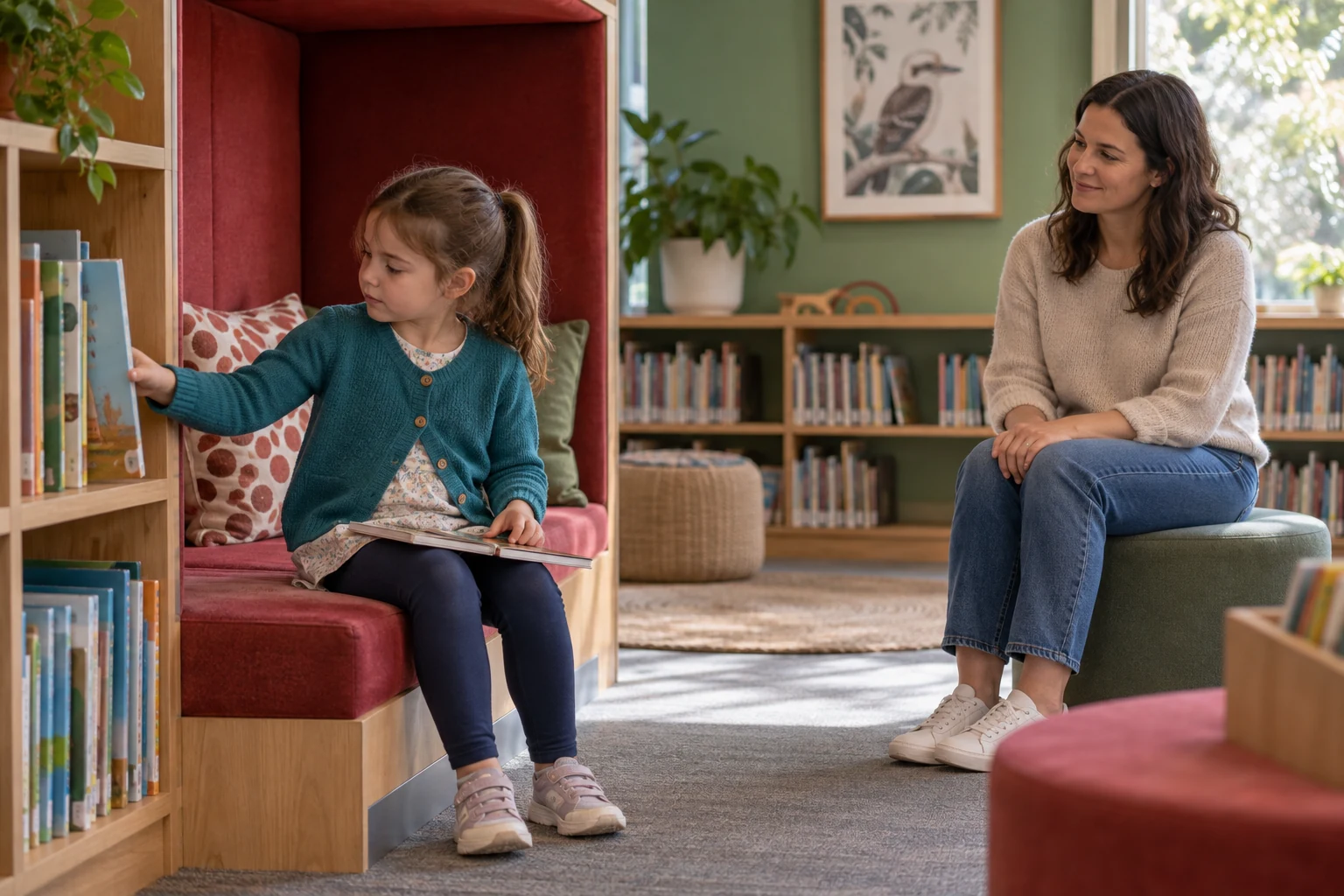
A child choosing a book with a practitioner nearby.

Prefer Support Outside Your Home?

Home-based support will not be the right choice for every family.
Families who prefer not to receive support at home may be able to meet practitioners in other suitable settings such as:
  • Community centres
  • Child and Parent Centres
  • Libraries
  • Early childhood settings
  • Schools
  • Partner organisations
  • Other appropriate local locations
Telephone or video support may also be available where this improves accessibility.
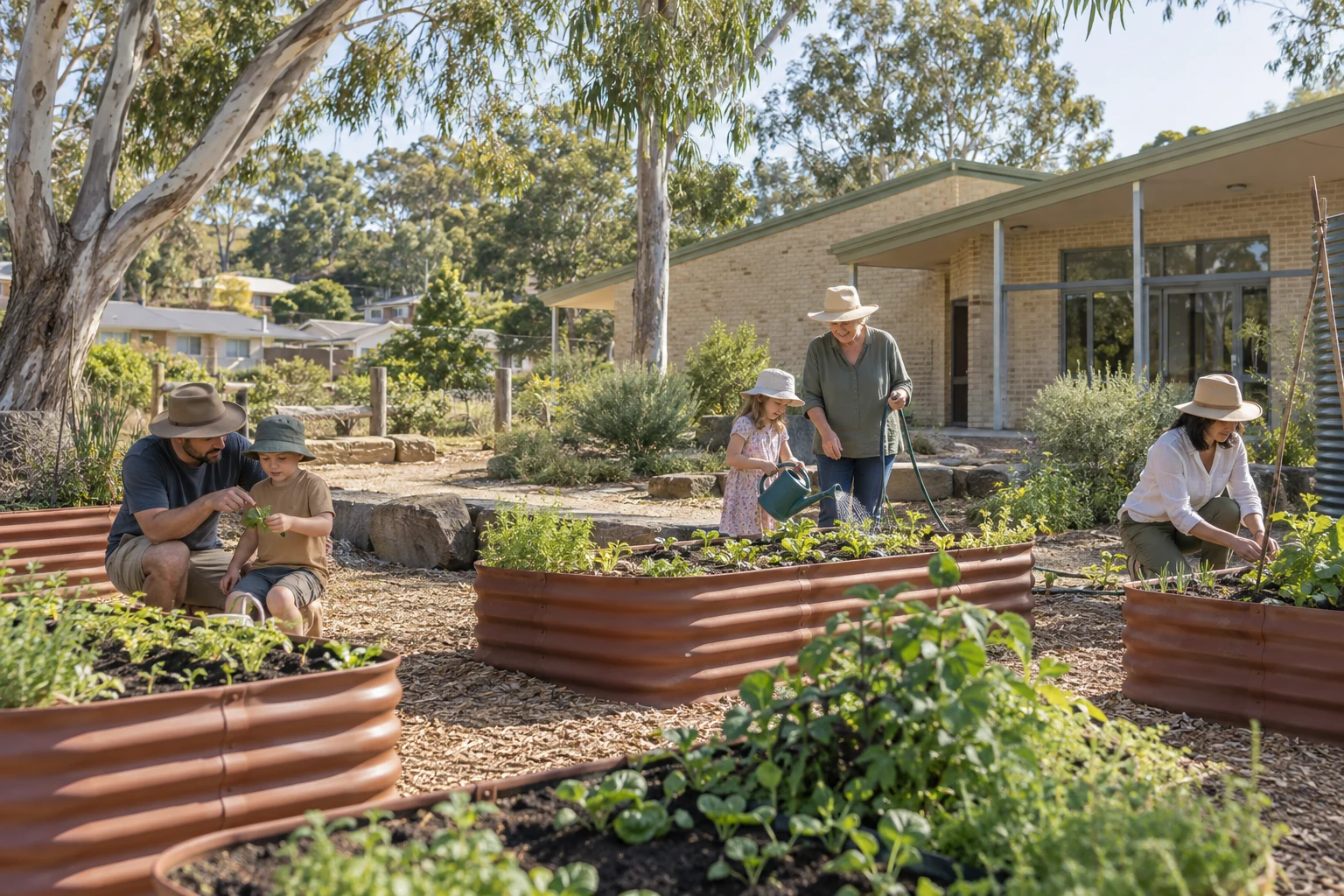
Families taking part in a community garden activity.

What Families Can Expect

Families receiving Home-Based Family Support can expect:
  • Individualised support
  • Respect for family privacy
  • Practical guidance
  • Support within real everyday routines
  • Strengths-based practice
  • Parent and carer coaching
  • Meaningful family goals
  • Regular review of progress
  • Referral support where appropriate
  • Respect for cultural and individual circumstances
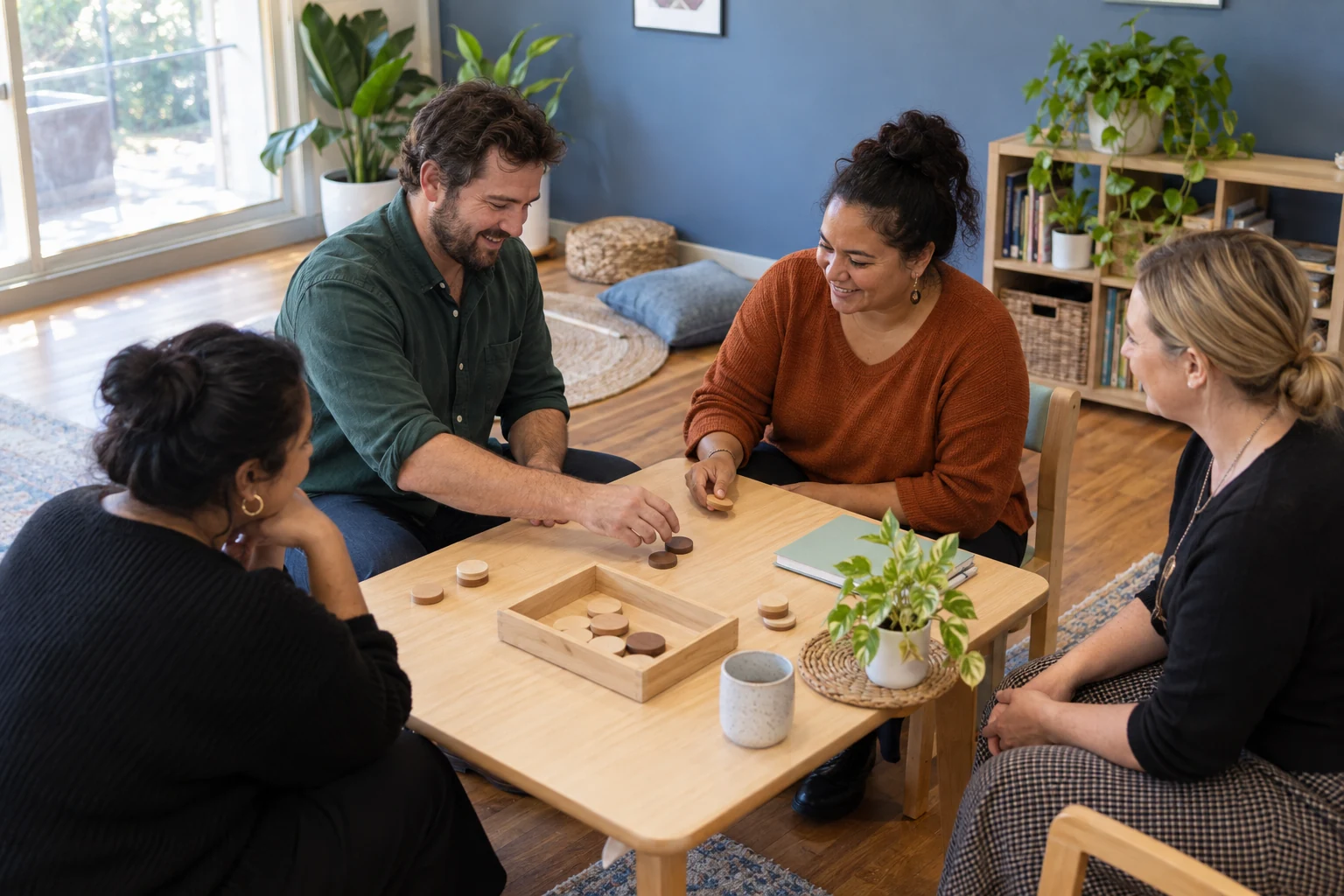
Practitioners exchanging ideas during a collaborative learning session.

Not Sure Whether a Home Visit Is Right for Your Family?

You do not need to decide before speaking with us.
Our team can talk with you about your child, your family's circumstances and what type of support would be most comfortable and useful.
Together, we can discuss whether home-based support or another service option may better meet your needs.
A team member listening attentively during a phone conversation.
Final Call to Action

Support Where Everyday Life Happens

Home-Based Family Support brings practical guidance into the environment where your child naturally lives, plays, communicates and learns.
If you would like to discuss whether home-based support may be suitable for your family, contact our team.
Buttons