OUR SERVICES
Support Designed Around Children and Families
At Allied Health, Child and Family Support Services, we provide practical, family-centred support for children aged 0–8 years and their families.
Our services are designed to support children with developmental concerns, developmental delay and autism while also helping parents, carers and kin build the knowledge, confidence and practical skills they need to support their child in everyday life.
We focus on meaningful participation, communication, social connection, independence, routines, family confidence and preparation for early learning and school.
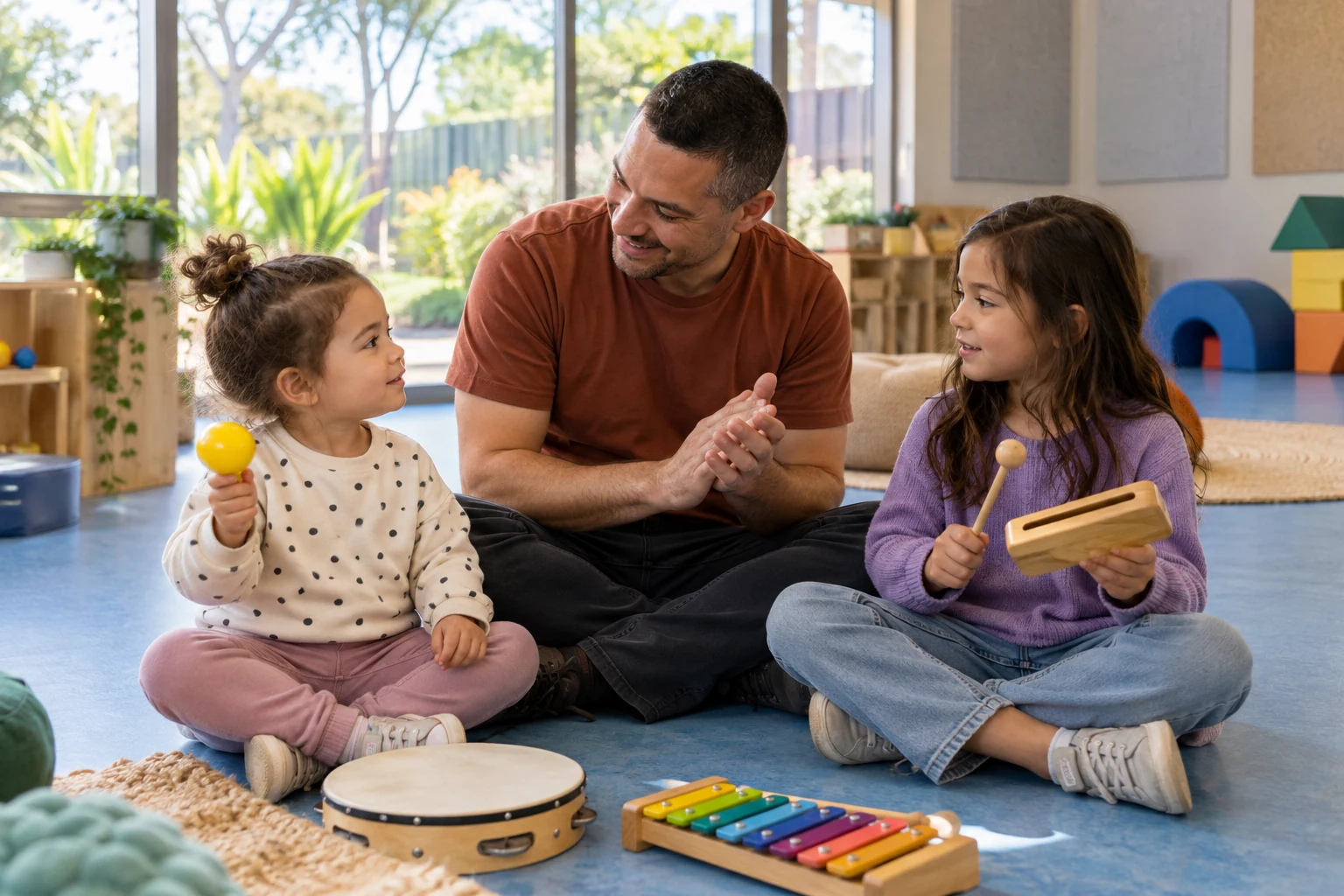
How We Support Children and Families
Every child and family is different.
Some families may benefit from group-based support, while others may need individual guidance, home-based coaching, parent education or help navigating other services.
Our support can include:
Our services are intended to work together so families can access the type of support that best matches their needs and goals.
Developmental Playgroups
For Children Aged 0–4 Years
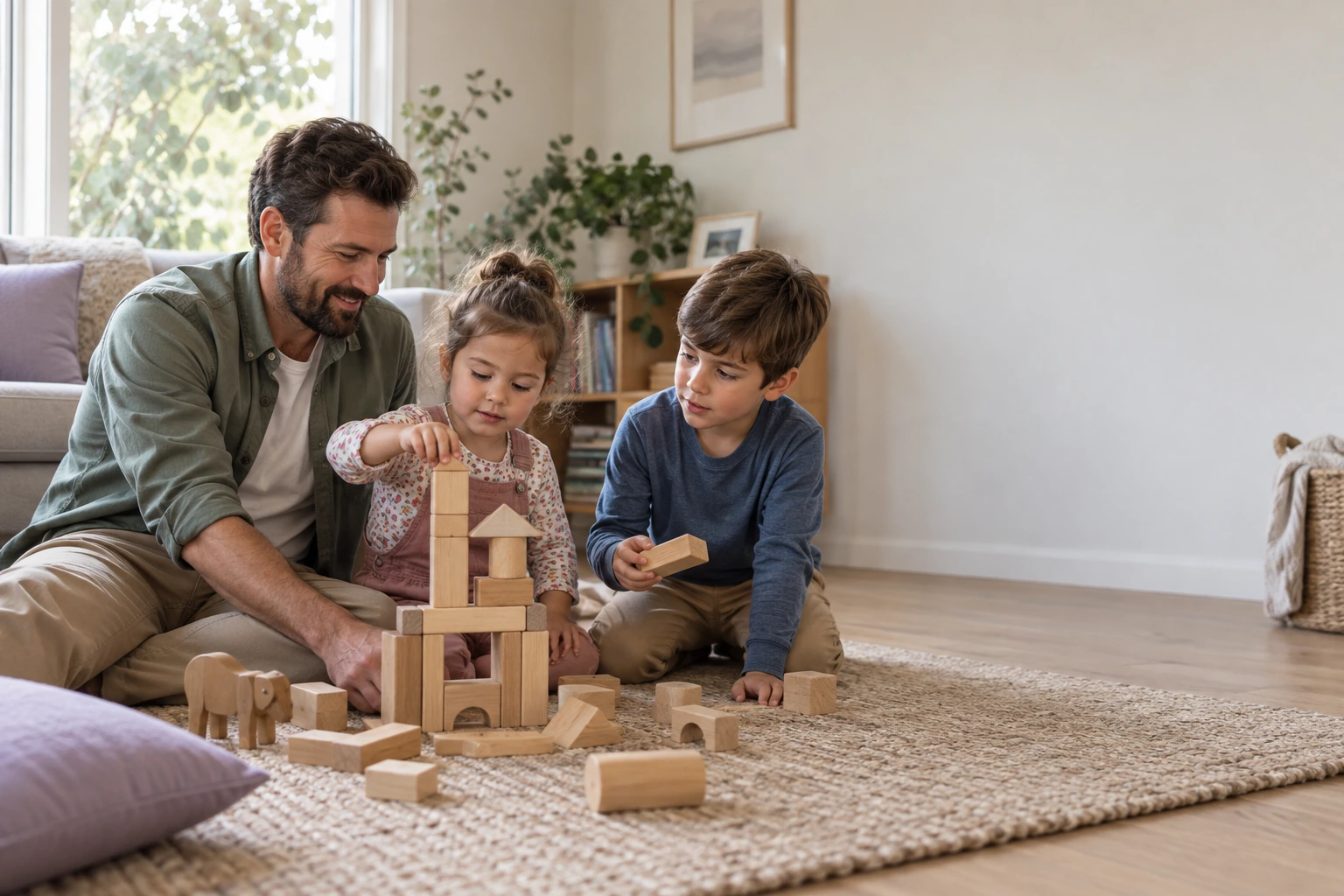
Our developmental playgroups provide young children and their parents, carers or kin with opportunities to learn and connect through play.
Sessions may include:
- Shared play
- Storytelling
- Songs and music
- Movement activities
- Turn-taking
- Communication activities
- Sensory and exploratory play
- Early social interaction
Parents and carers participate alongside their child and are supported to understand how everyday play can encourage communication, participation and development.
Our practitioners model practical strategies and help families use these strategies during ordinary routines at home and in the community.
Button
Parent Education Workshops
Practical Knowledge for Everyday Family Life
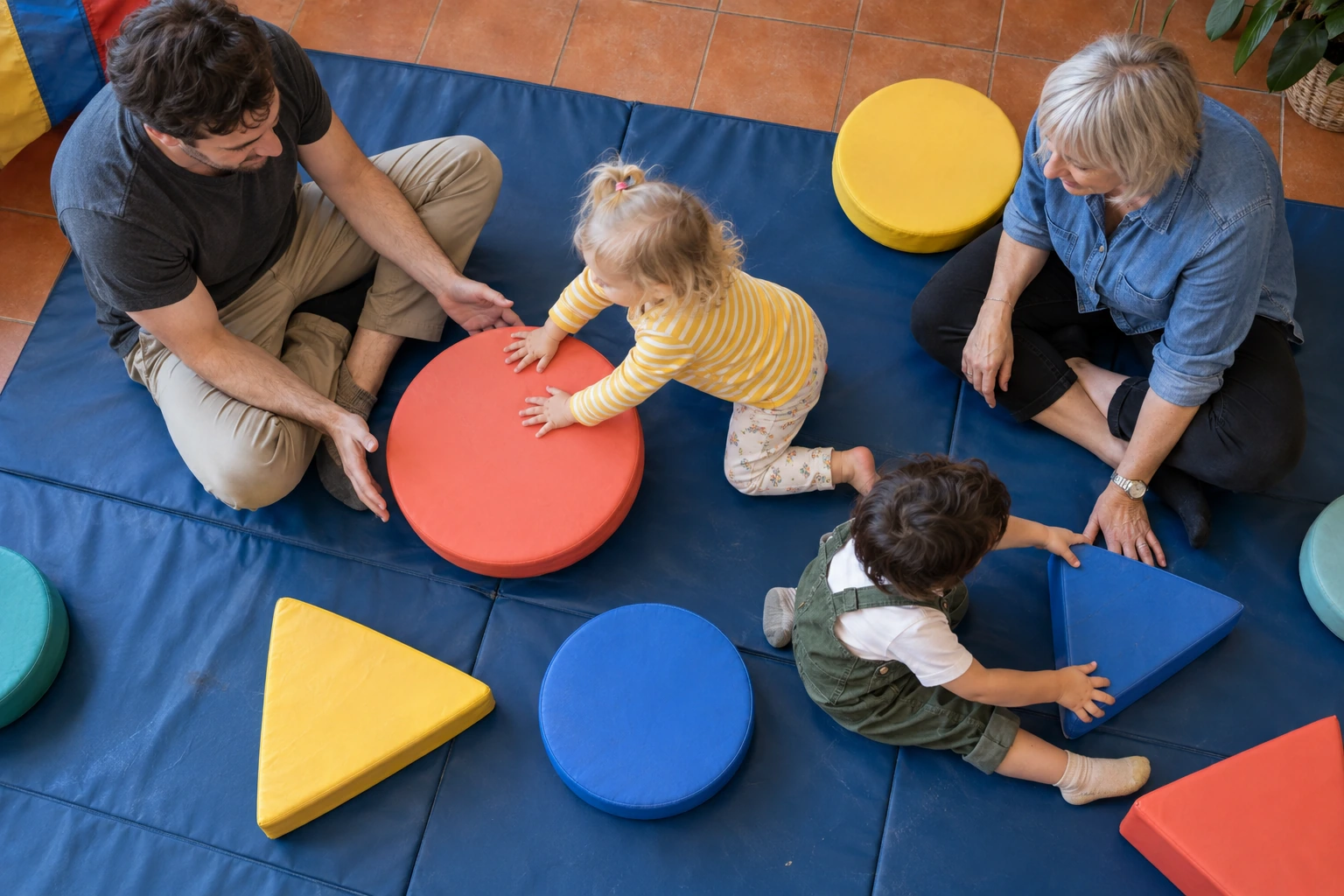
Parents and carers play an important role in children's development.
Our parent education workshops are designed to provide clear, practical information that families can apply within everyday routines.
Topics may include:
- Child development
- Communication and language
- Play and interaction
- Emotional regulation
- Sensory preferences
- Positive behaviour support
- Everyday routines
- Participation
- Independence
- School readiness and transitions
Workshops are practical and family-focused, giving parents and carers opportunities to ask questions, discuss real-life situations and develop strategies that work for their family.
Button
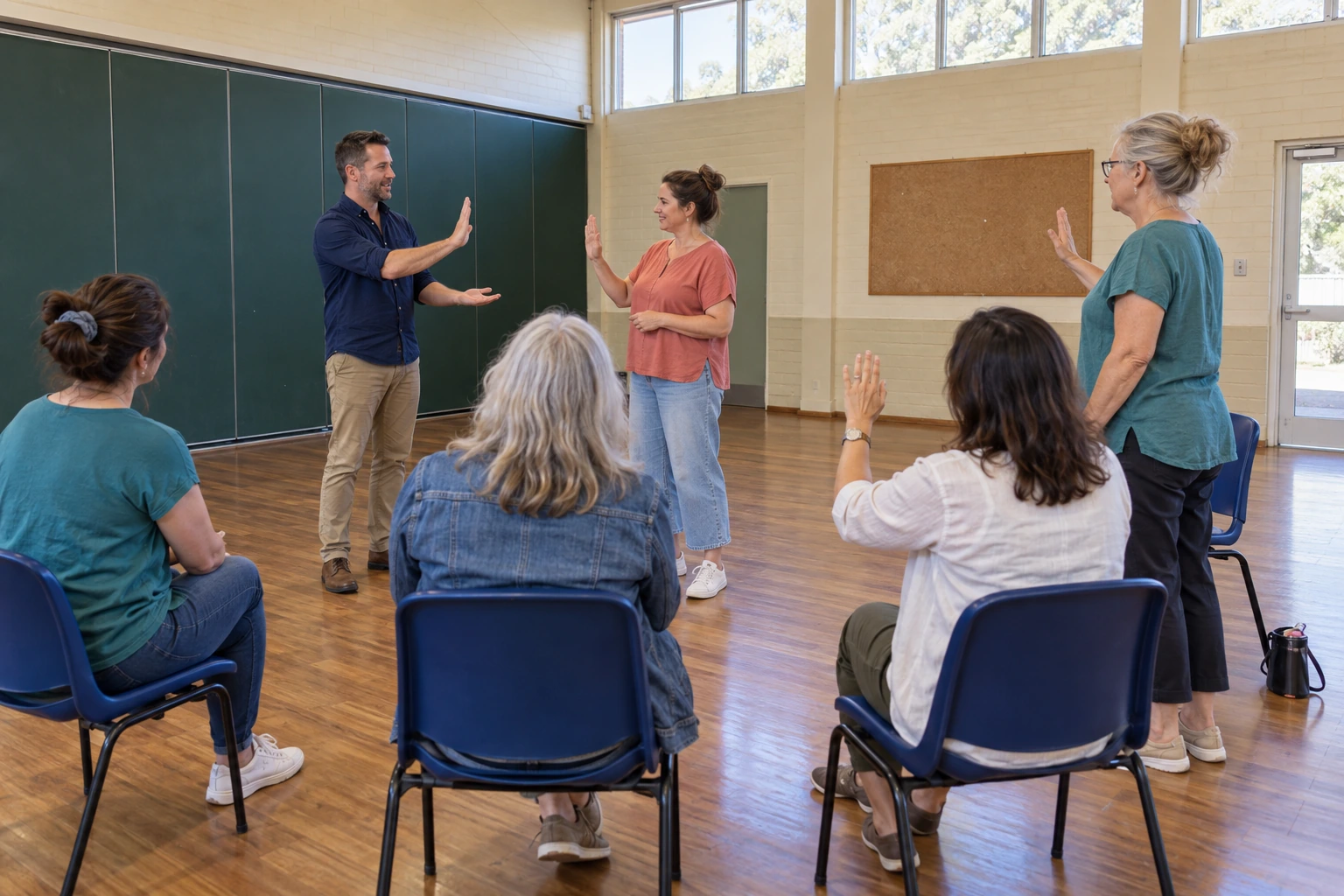
Parent & Carer Peer Support
Connection, Understanding and Shared Experience
Parenting and caring for a child with additional developmental needs can sometimes feel isolating.
Our parent and carer peer support groups create opportunities for families to connect with others who may have similar experiences.
These groups can provide a space to:
- Share experiences
- Discuss challenges
- Exchange practical ideas
- Build supportive relationships
- Learn from other families
- Strengthen community connections
- Build confidence
Peer support is facilitated in a welcoming, respectful and culturally responsive environment.
Button
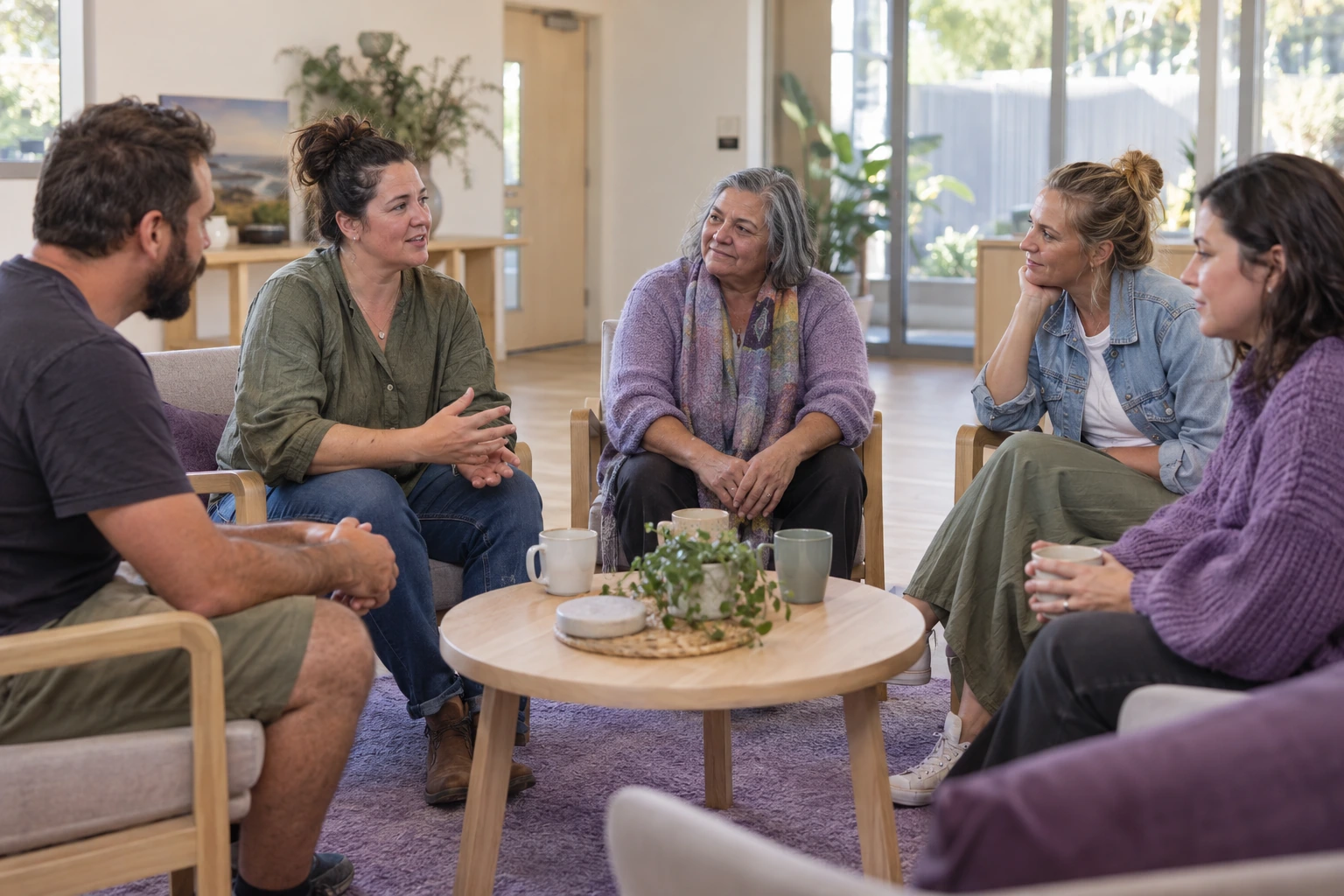
Individual Family Support & Coaching
Support Focused on Your Family's Priorities
Some families benefit from more individual support.
Our practitioners can work directly with parents, carers and kin to understand the child's strengths, family priorities and areas where additional guidance may be useful.
Individual support may include:
- Identifying family goals
- Discussing developmental concerns
- Reviewing everyday routines
- Demonstrating practical strategies
- Supporting communication and participation
- Building parent confidence
- Reviewing progress
- Identifying appropriate next steps
Our focus is on practical capacity building rather than long-term case management.
Families are supported to develop strategies they can continue using independently.
Button
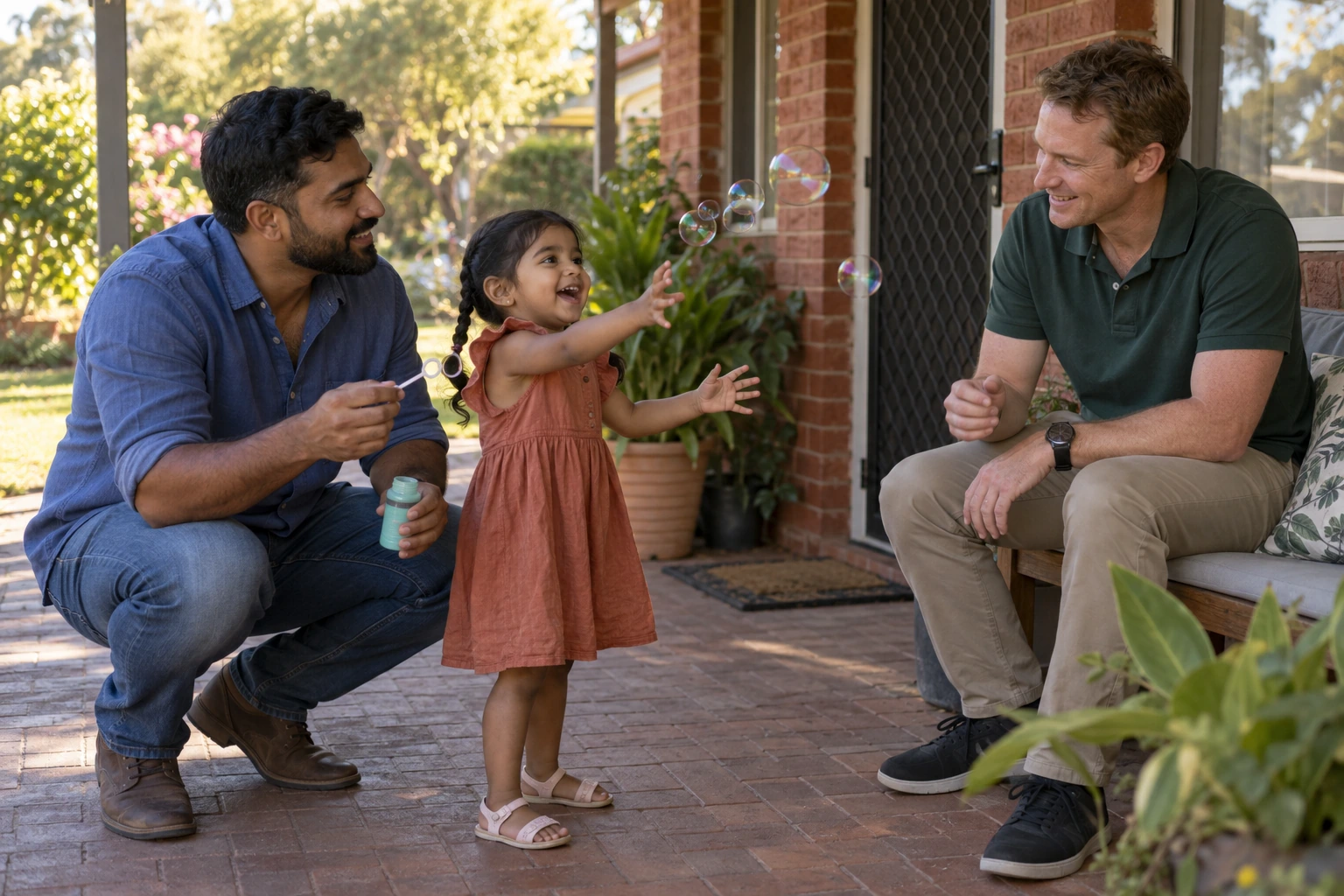
Home-Based Family Support
Practical Support in the Child's Everyday Environment
Children often behave, communicate and participate differently at home than they do in unfamiliar environments.
Home-based support allows practitioners to better understand the child's everyday routines and provide guidance in a setting that is familiar to the family.
With family consent, home-based support may focus on areas such as:
- Communication
- Play
- Family routines
- Mealtimes
- Transitions
- Interactions with siblings
- Emotional regulation
- Participation
- Independence
- Everyday challenges
Parents and carers can practise strategies with the practitioner present and receive practical feedback based on real situations.
Button
Service Navigation & Referrals
Helping Families Understand What Comes Next
Finding the right service can sometimes be confusing.
Families may be unsure about which professional to contact, what support is available or how to access appropriate services.
Our team can help families understand their options and navigate relevant service systems.
Support may include:
- Explaining available services
- Identifying appropriate referral pathways
- Preparing for appointments
- Helping families understand what questions to ask
- Connecting with allied health providers
- Connecting with health services
- Connecting with education services
- Connecting with disability or community services
- Following up referral pathways where appropriate
Where a child's needs fall outside our service scope, we can help families identify other services that may be better placed to provide ongoing or specialist support.
Button

School Readiness & Transition Support
Building Confidence for the Next Stage
Starting school is an important transition.
Our school readiness and transition support helps children and families prepare for the routines, communication and participation expectations of early learning and school environments.
Support may focus on:
- Communication
- Expressing needs
- Listening and participation
- Following routines
- Transitioning between activities
- Cooperative play
- Social interaction
- Emotional regulation
- Independence and self-help skills
- Confidence in unfamiliar environments
Parents and carers are also supported to understand how everyday routines and activities can help prepare their child for school.
Button

Support That Works Together
More Than One Type of Support
Families do not always fit neatly into one service category.
A child may attend a group while their parent also participates in a workshop. A family may receive individual coaching before moving into a community-based group. Another family may need help connecting with an allied health or community service.
Our approach is flexible and responsive.
We work with families to understand what support is most relevant and help identify practical next steps.
A Multidisciplinary Approach
Bringing Different Areas of Expertise Together
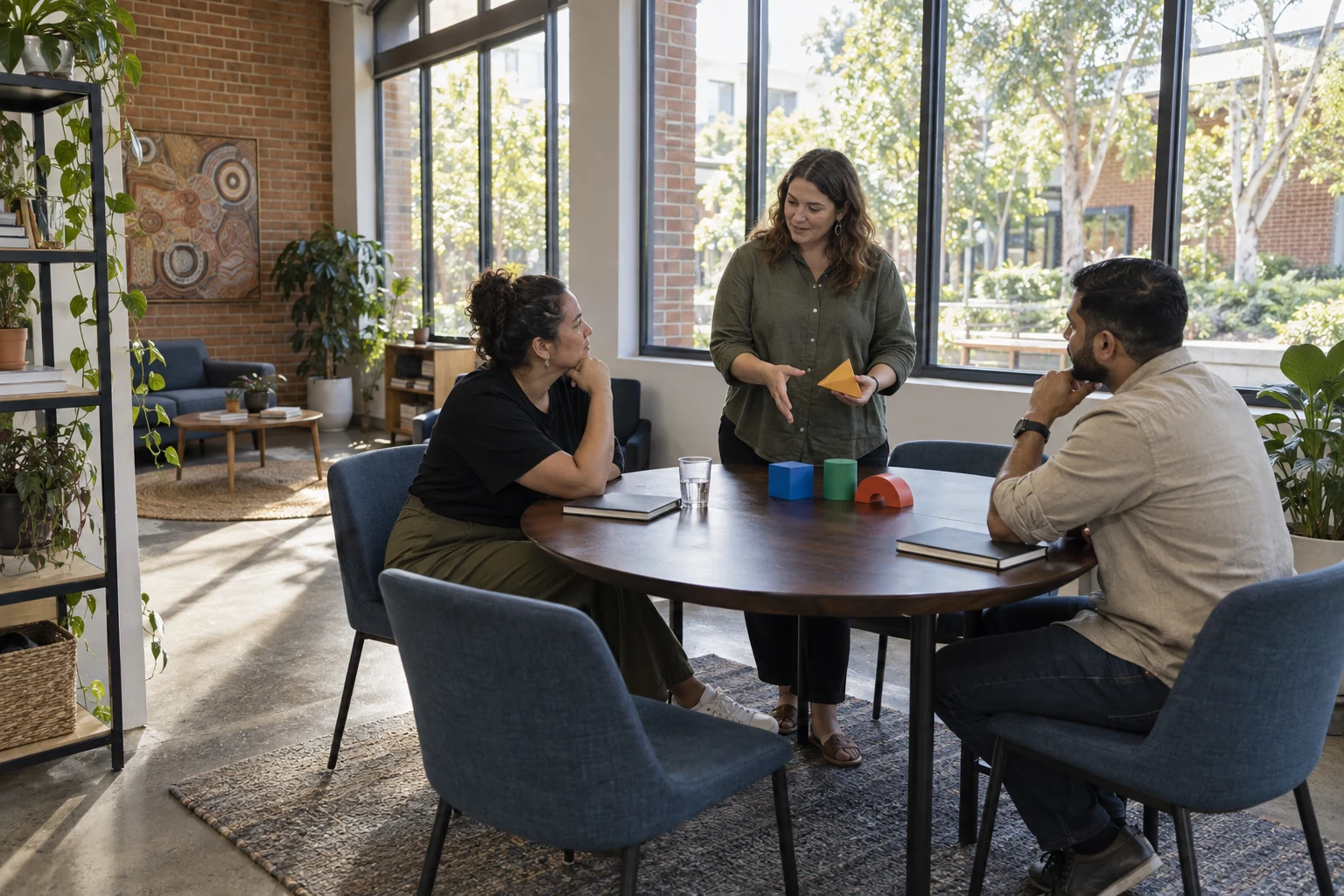
Our services may be supported by professionals and practitioners with experience across:
- Early Childhood Development
- Speech Pathology
- Occupational Therapy
- Psychology
- Behaviour Support
- Social Work
- Family Support
- Community Services
- Cultural and Language Support
This allows families to benefit from different perspectives while keeping the focus on the child and family's everyday goals.
Family-Centred Support
Working With Families, Not Around Them
Families are active participants in the support process.
We work collaboratively with parents, carers and kin to:
- Understand the child's strengths and interests
- Identify meaningful priorities
- Agree on achievable goals
- Practise practical strategies
- Review progress
- Adjust support when needs change
Our aim is to build family confidence and capability, not dependence on services.

Support in Everyday Environments
Children develop skills throughout everyday life.
Support can therefore take place in a range of appropriate settings, including:
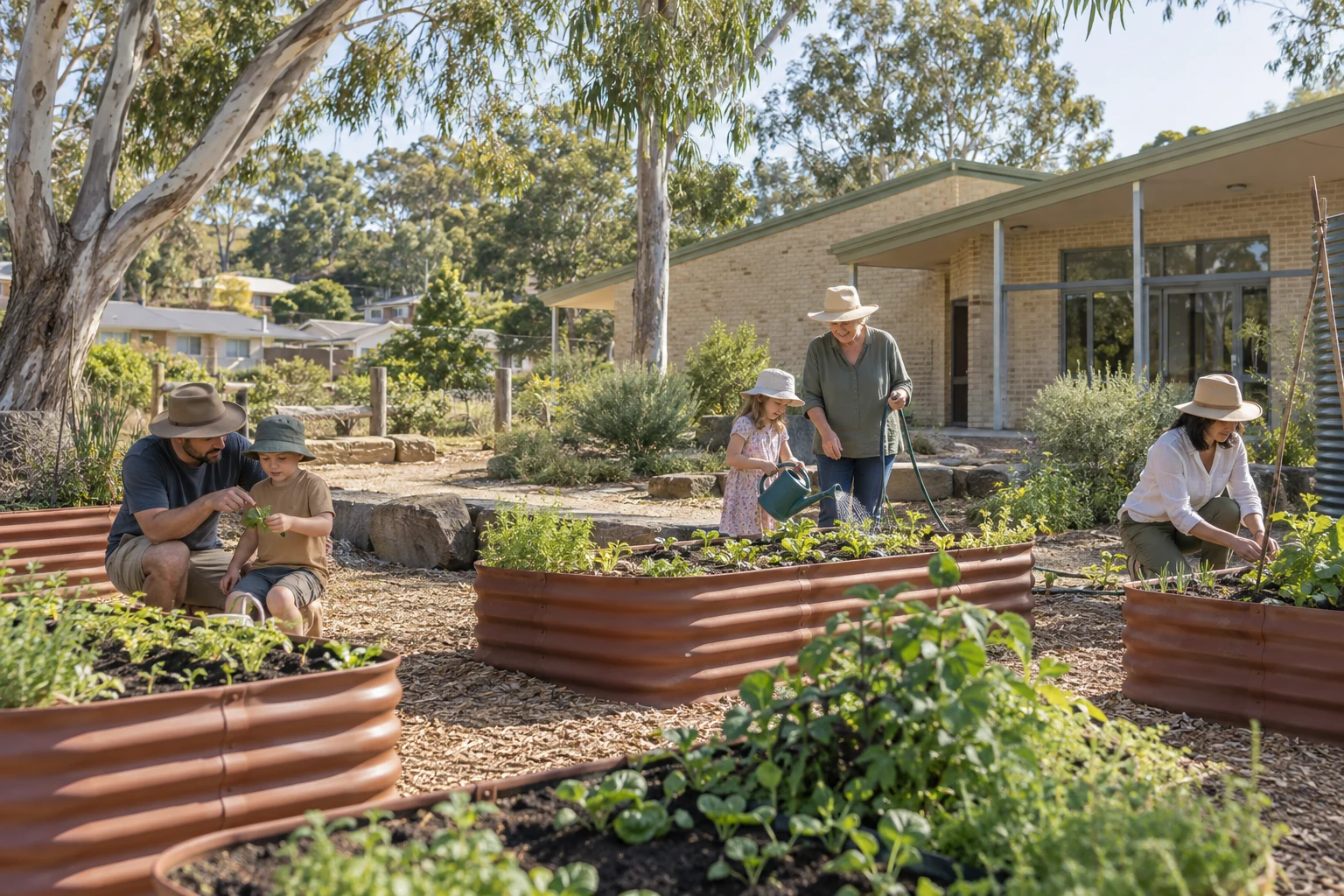
- Family homes
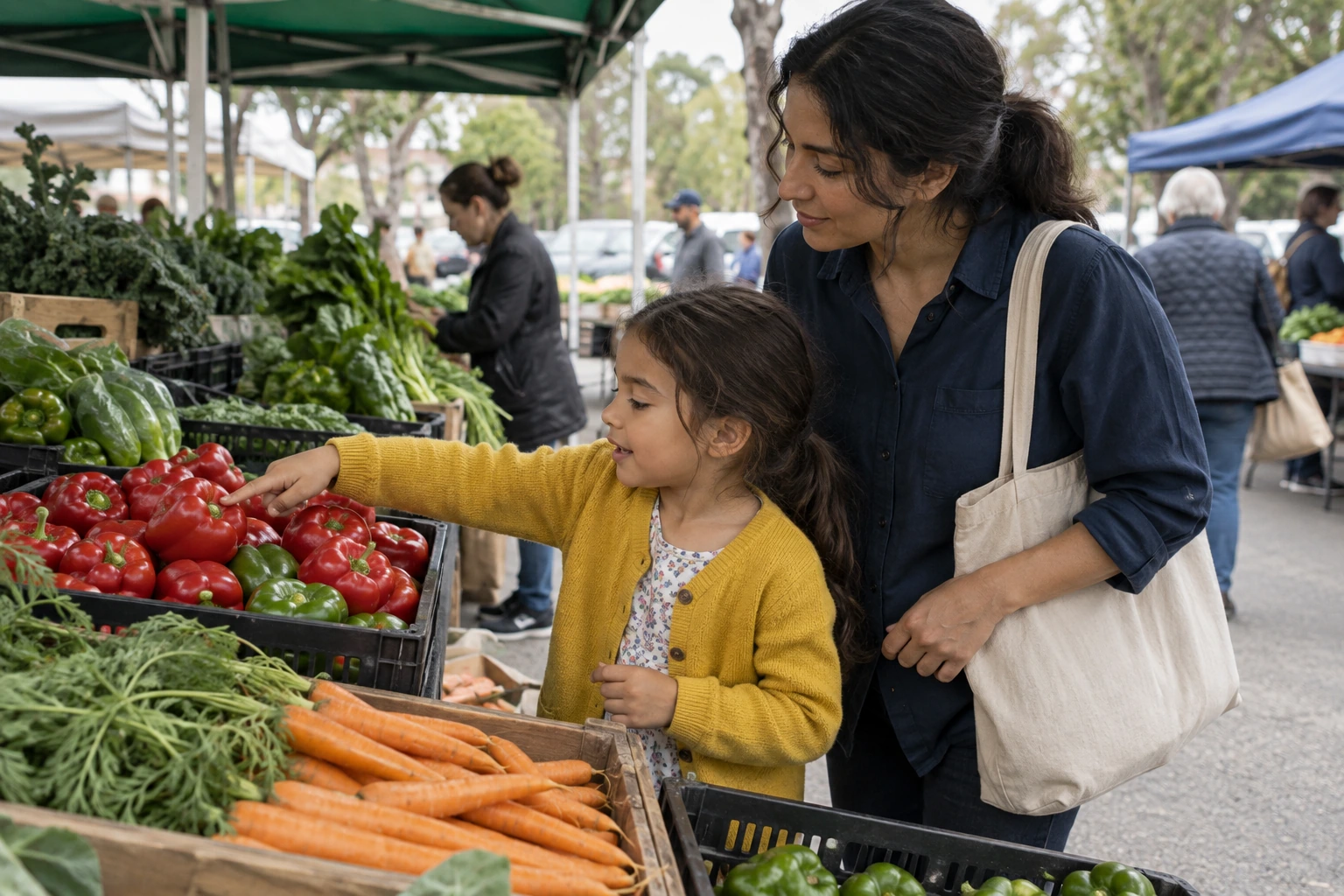
- Community environments
- Early childhood settings
- Schools
- Community centres
- Child and Parent Centres
- Libraries
- Other familiar environments
This allows strategies to be connected to real routines and everyday participation.
Inclusive & Culturally Responsive Services
We are committed to making our services welcoming and accessible for families from different cultural and linguistic backgrounds.
Where appropriate and available, support may include:
- Multilingual practitioners
- Bicultural workers
- Qualified interpreters
- Culturally responsive communication
- Connections with culturally specific organisations
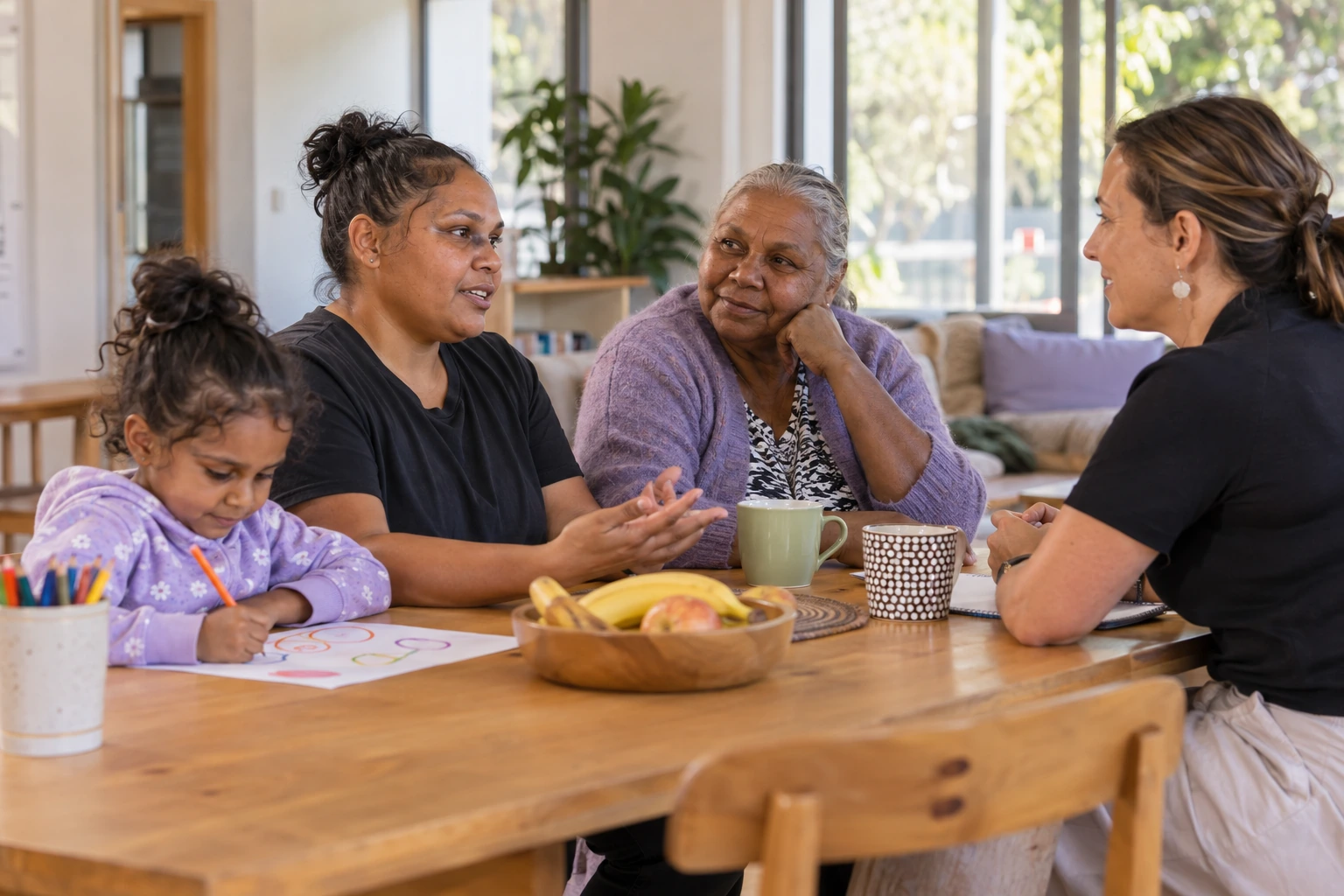
We also recognise the importance of culturally safe practice when working with Aboriginal children and families.
Not Sure Which Service Is Right for Your Family?
You do not need to know exactly which service you need before contacting us.
Our team can talk with you about:
- Your child's strengths
- Your concerns
- Your family's goals
- Your everyday routines
- The type of support you are looking for
From there, we can help identify suitable options and practical next steps.
Buttons
Final Call to Action
Find the Right Support for Your Family
Every child and family has different needs.
Whether you are looking for developmental support, parent education, practical coaching, social participation opportunities, school readiness support or help navigating other services, our team is here to listen.
Supporting Children. Strengthening Families. Building Confidence.
Buttons




Social Communication & Participation Groups
For Children Aged 5–8 Years