PARENT EDUCATION WORKSHOPS

Practical Knowledge for Everyday Family Life

Our Parent Education Workshops are designed to help parents, carers and kin build practical knowledge, confidence and strategies to support their child's development in everyday life.
Workshops focus on real situations families experience at home, in the community, in early learning settings and at school.
The aim is to provide clear, useful information that families can understand and apply in ways that suit their own child and circumstances.
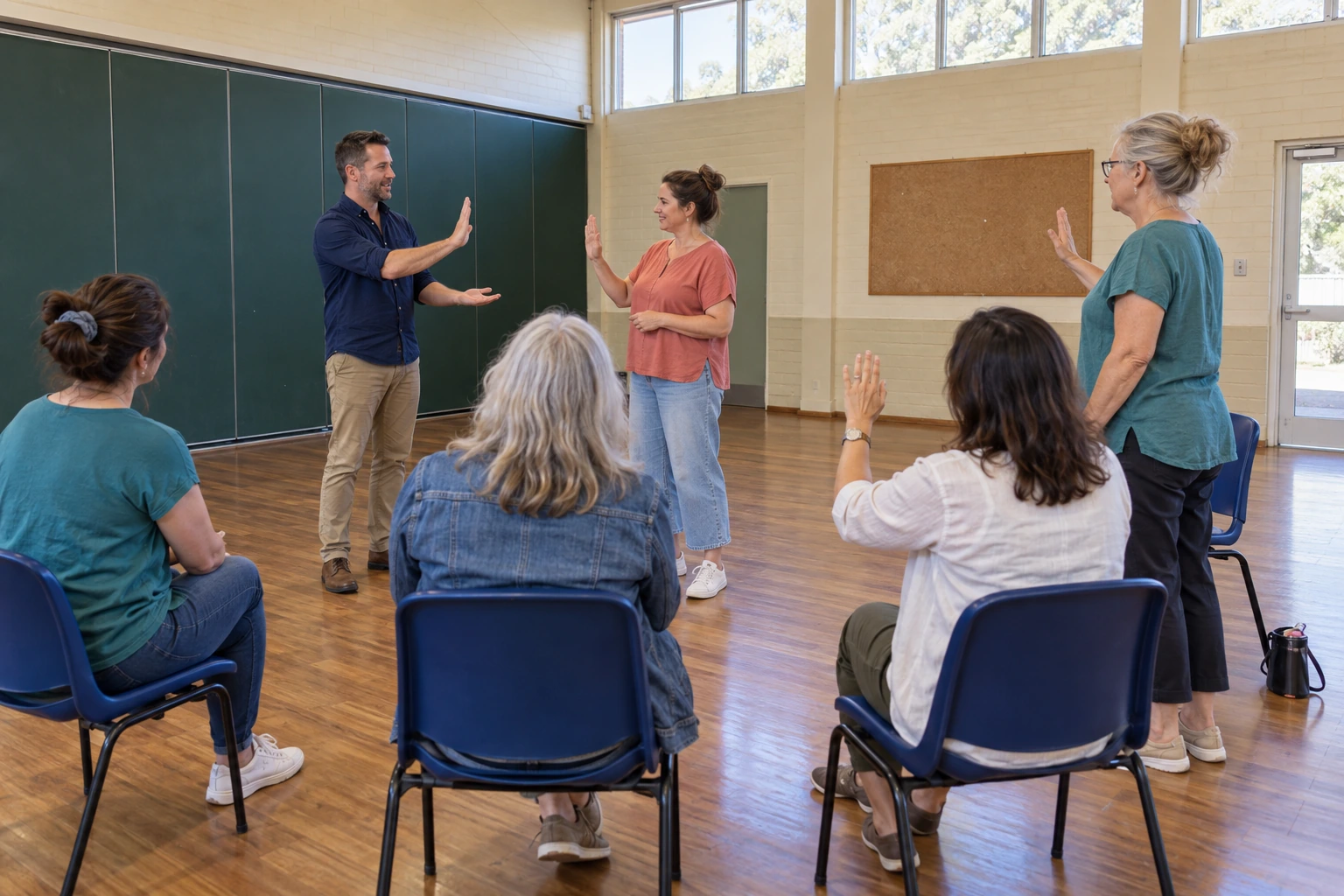
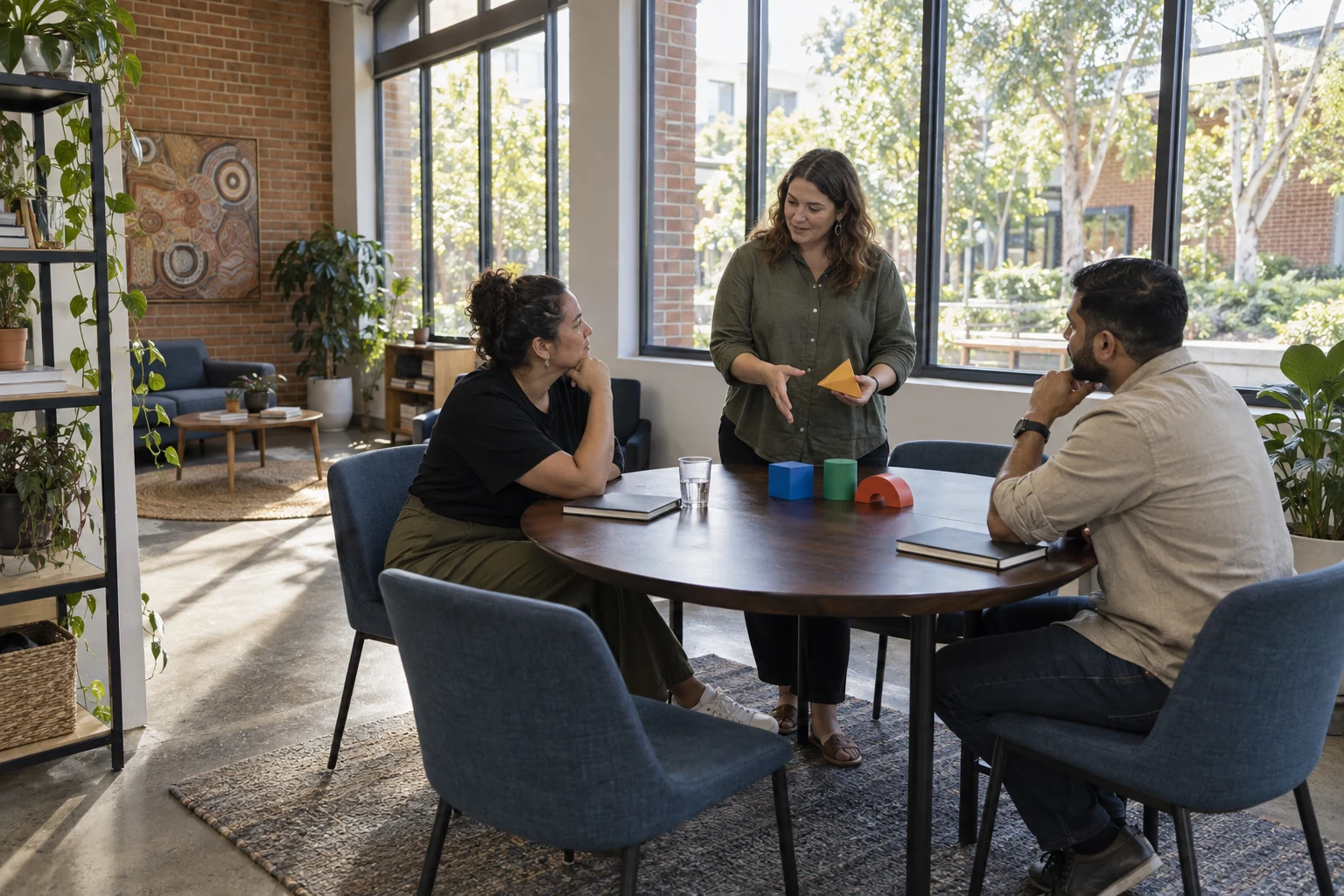
Parents practising everyday strategies in a small workshop.

Who Are the Workshops For?

Parent Education Workshops are designed for parents, carers and kin of children aged 0-8 years who may want additional guidance around their child's:
  • Communication
  • Play
  • Emotional regulation
  • Sensory preferences
  • Everyday routines
  • Participation
  • Behaviour
  • Independence
  • Social interaction
  • School readiness
The workshops are suitable for families who want practical strategies they can use in daily life, whether they are responding to emerging developmental concerns or supporting a child with developmental delay or autism.
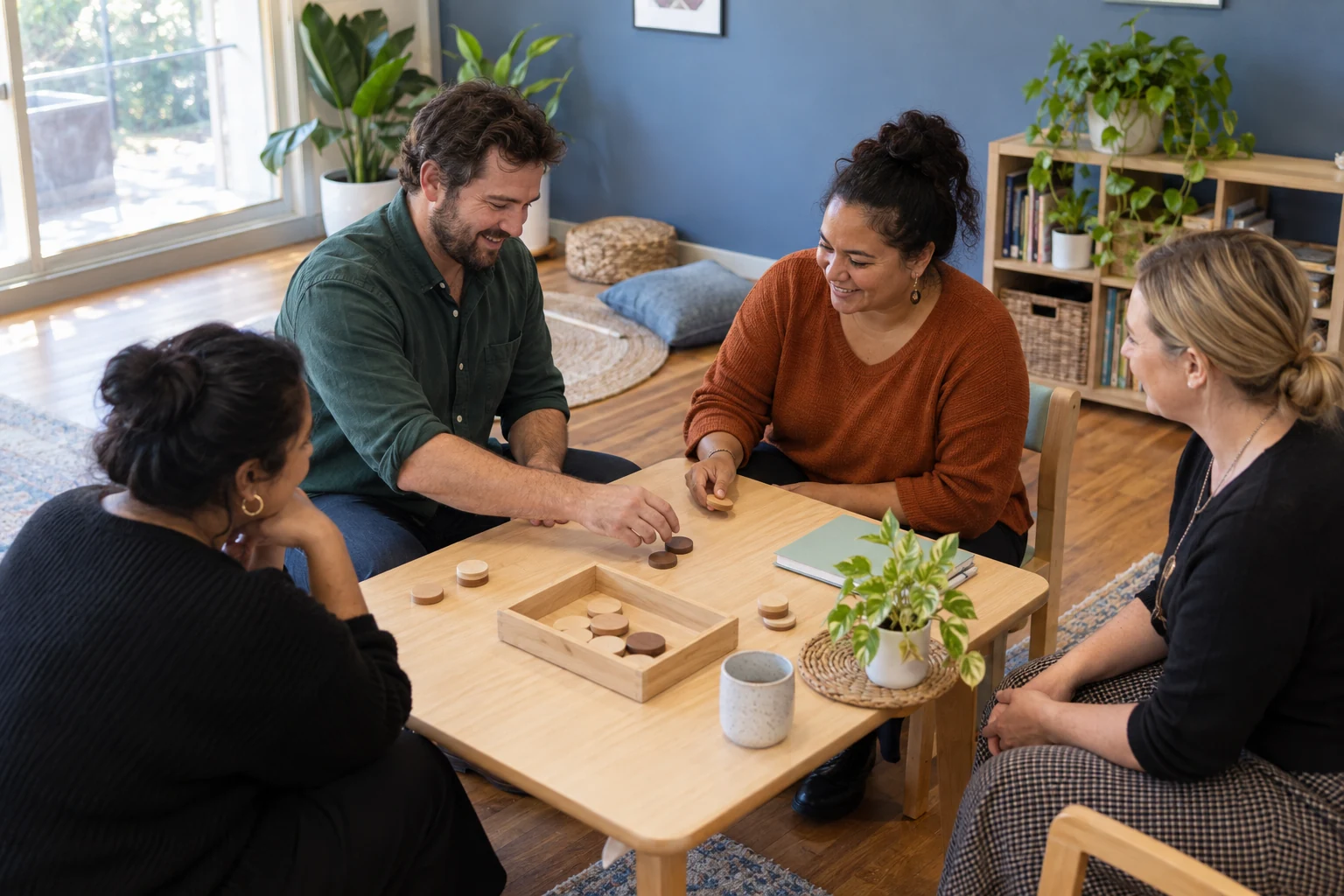
Parents practising a strategy together during a workshop.

What Topics May Be Covered?

Communication and Language

Practical ways to support children to communicate their needs, understand others and participate in everyday interactions.

Play and Interaction

Helping families understand how play can support communication, relationships, learning and development.

Emotional Regulation

Supporting children to recognise, express and manage emotions in developmentally appropriate ways.

Sensory Preferences

Helping families better understand how sensory preferences may affect a child's comfort, participation and everyday routines.

Everyday Routines

Strategies to support children during routines such as getting dressed, mealtimes, bedtime, transitions and community activities.

Positive Behaviour Support

Helping families understand factors that may influence behaviour and identify positive, practical strategies for everyday situations.

Participation

Supporting children to participate more confidently at home, in the community, in early learning and at school.

Independence

Building children's confidence and skills in age-appropriate everyday activities.

School Readiness

Helping families support communication, routines, social participation, independence and confidence as children prepare for school.
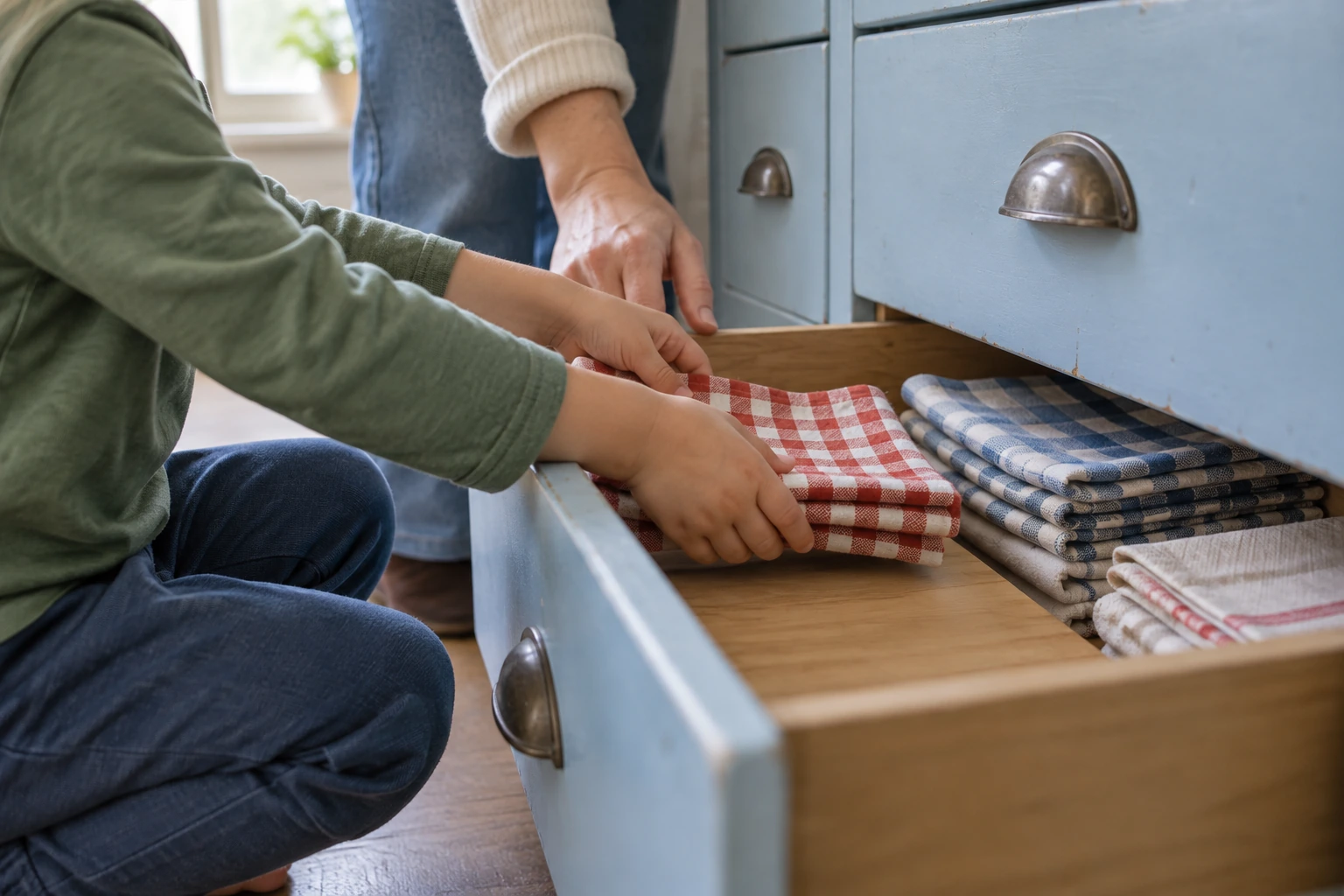
A child practising an everyday task with a parent nearby.

Practical, Not Just Informational

Our workshops are designed to go beyond simply providing information.
Parents and carers are encouraged to think about how strategies may work within their own family routines.
Depending on the topic, workshops may include:
  • Practical examples
  • Group discussion
  • Demonstrations
  • Question and answer opportunities
  • Everyday scenarios
  • Simple strategies to try at home
  • Goal setting
  • Reflection on what is already working well
The aim is to help families leave with practical ideas they feel confident trying in everyday life.
A parent practising a playful interaction with their child.

Building Parent Confidence

Parents and carers spend more time with their child than any professional.
For this reason, building family confidence is a key part of our approach.
Our workshops aim to help parents and carers:
  • Better understand their child's strengths
  • Recognise what may be influencing participation or behaviour
  • Feel more confident responding to challenges
  • Use practical strategies consistently
  • Identify realistic family goals
  • Understand when additional support may be helpful
  • Feel more informed when speaking with other professionals
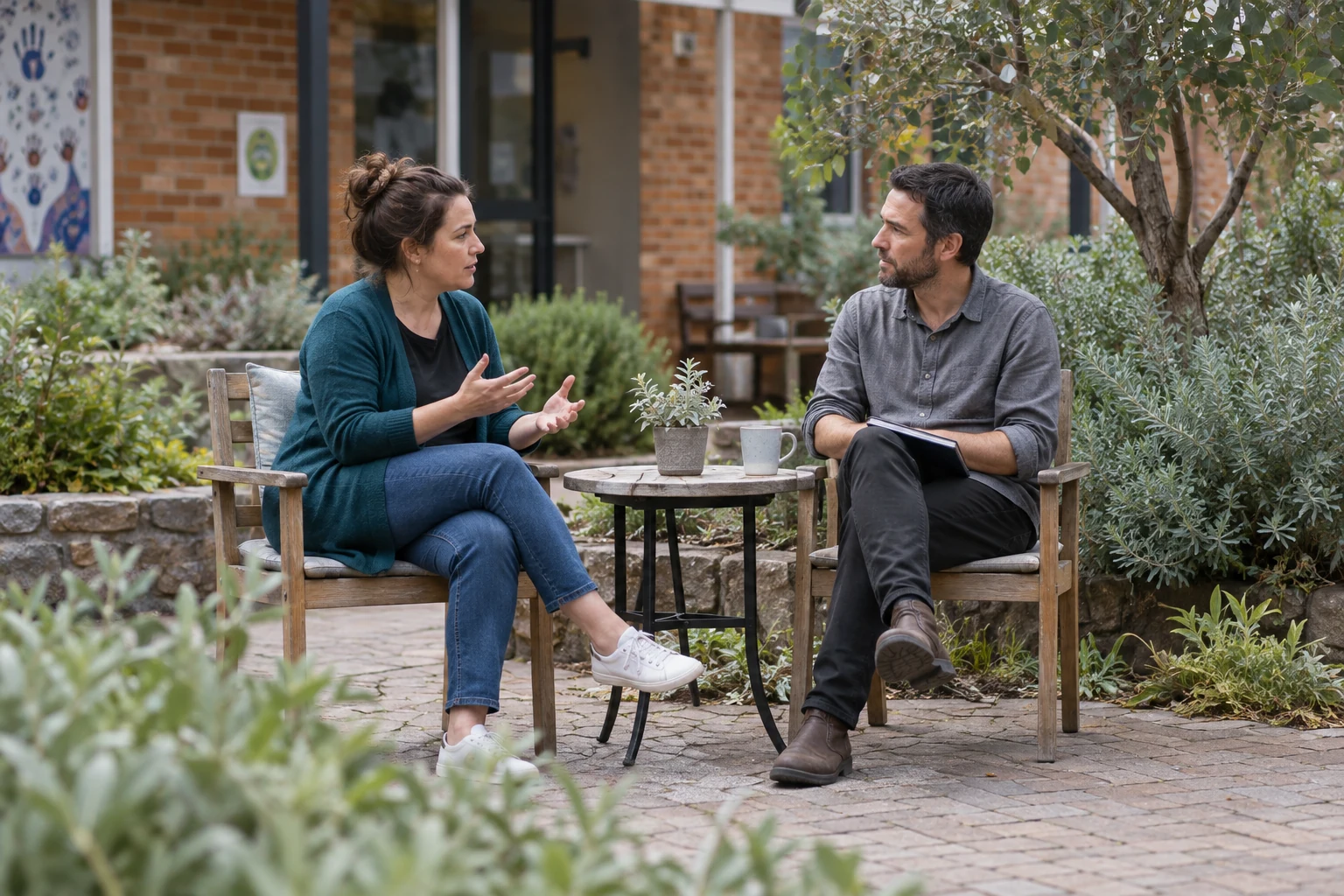
A mother explaining her priorities to a practitioner.

Supporting Communication

Communication difficulties can affect many parts of a child's everyday life.
Workshops may provide families with practical ideas for:
  • Encouraging children to express choices
  • Supporting understanding
  • Using simple and clear language
  • Creating opportunities for communication
  • Responding to children's communication attempts
  • Supporting shared interaction
  • Building communication into play and routines
The focus is on strategies that can be naturally incorporated into family life.
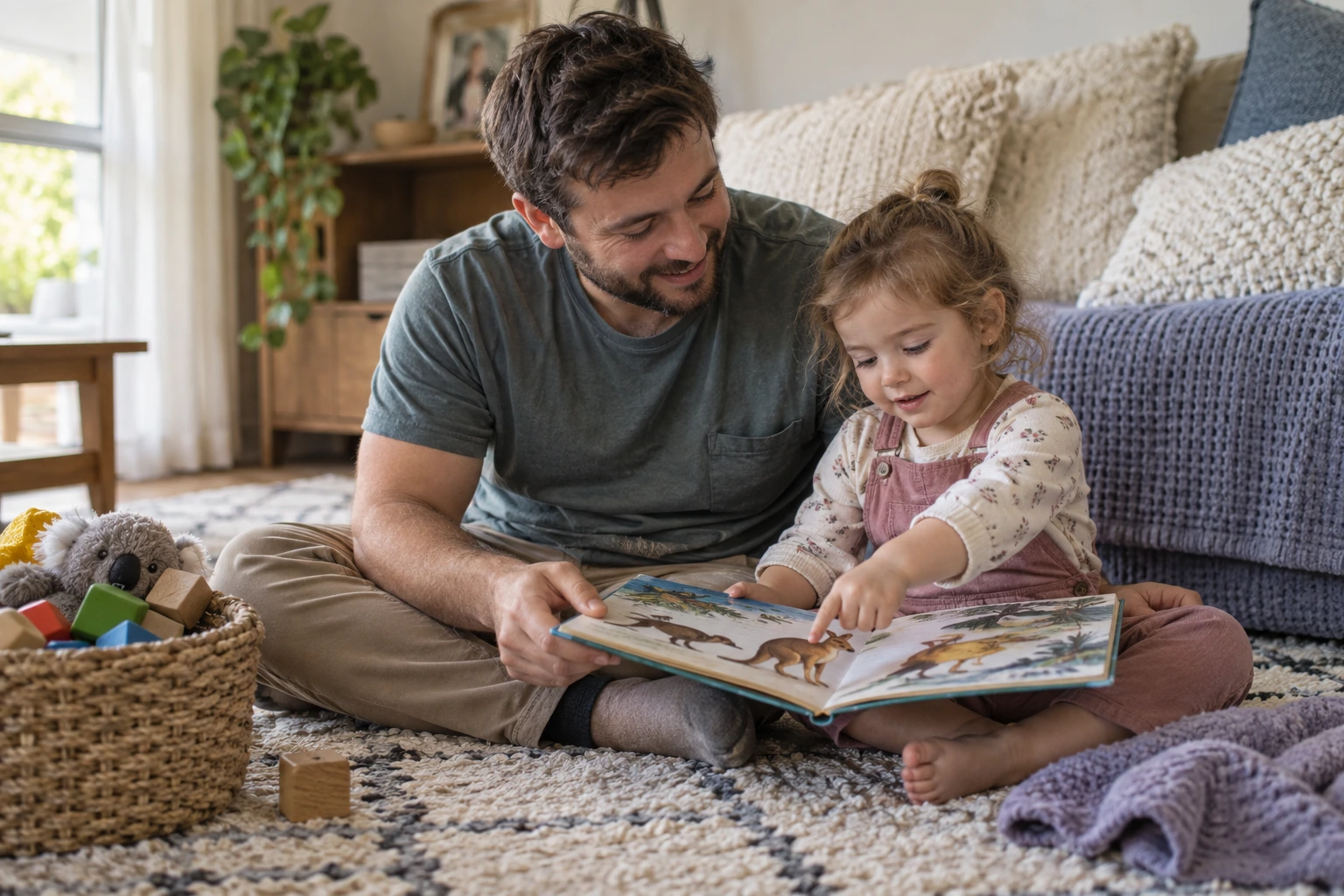
A parent and child sharing a picture book.

Understanding Behaviour

Behaviour can often communicate something about what a child is experiencing.
Our workshops may help families think about:
  • What happens before a behaviour
  • What the child may be communicating
  • Environmental factors
  • Communication needs
  • Sensory preferences
  • Emotional regulation
  • Transitions and routines
  • Whether expectations are appropriate for the child's developmental level
The aim is to support positive, developmentally appropriate strategies rather than simply focusing on stopping behaviour.
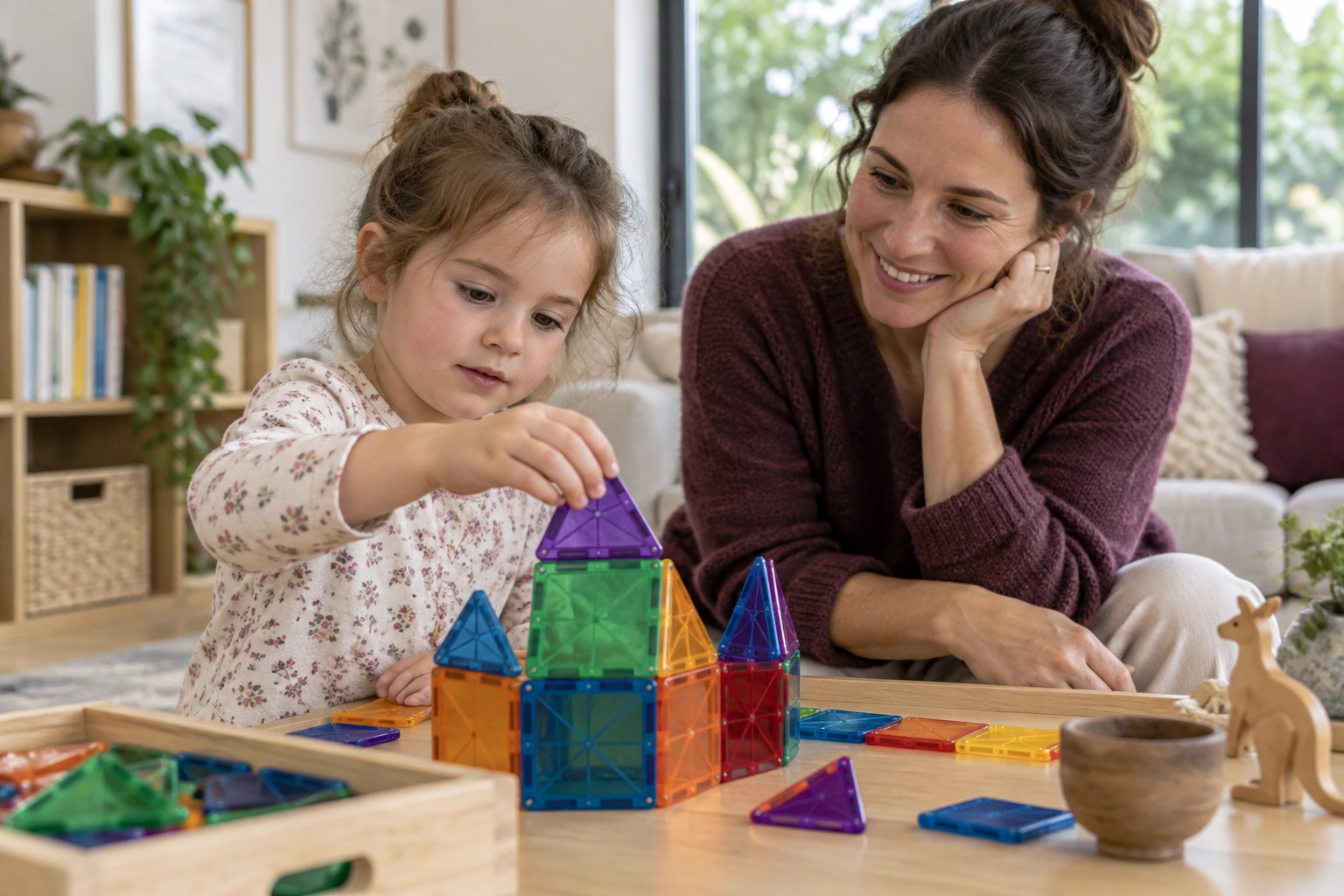
A child building with colourful tiles while a parent follows their lead.

Supporting Emotional Regulation

Children gradually develop the ability to understand and manage emotions.
Parents and carers can play an important role in supporting this process.
Workshops may explore practical ways to:
  • Recognise signs of overwhelm
  • Help children identify feelings
  • Support calm transitions
  • Use predictable routines
  • Respond to distress
  • Create supportive environments
  • Build emotional language
  • Model calm responses
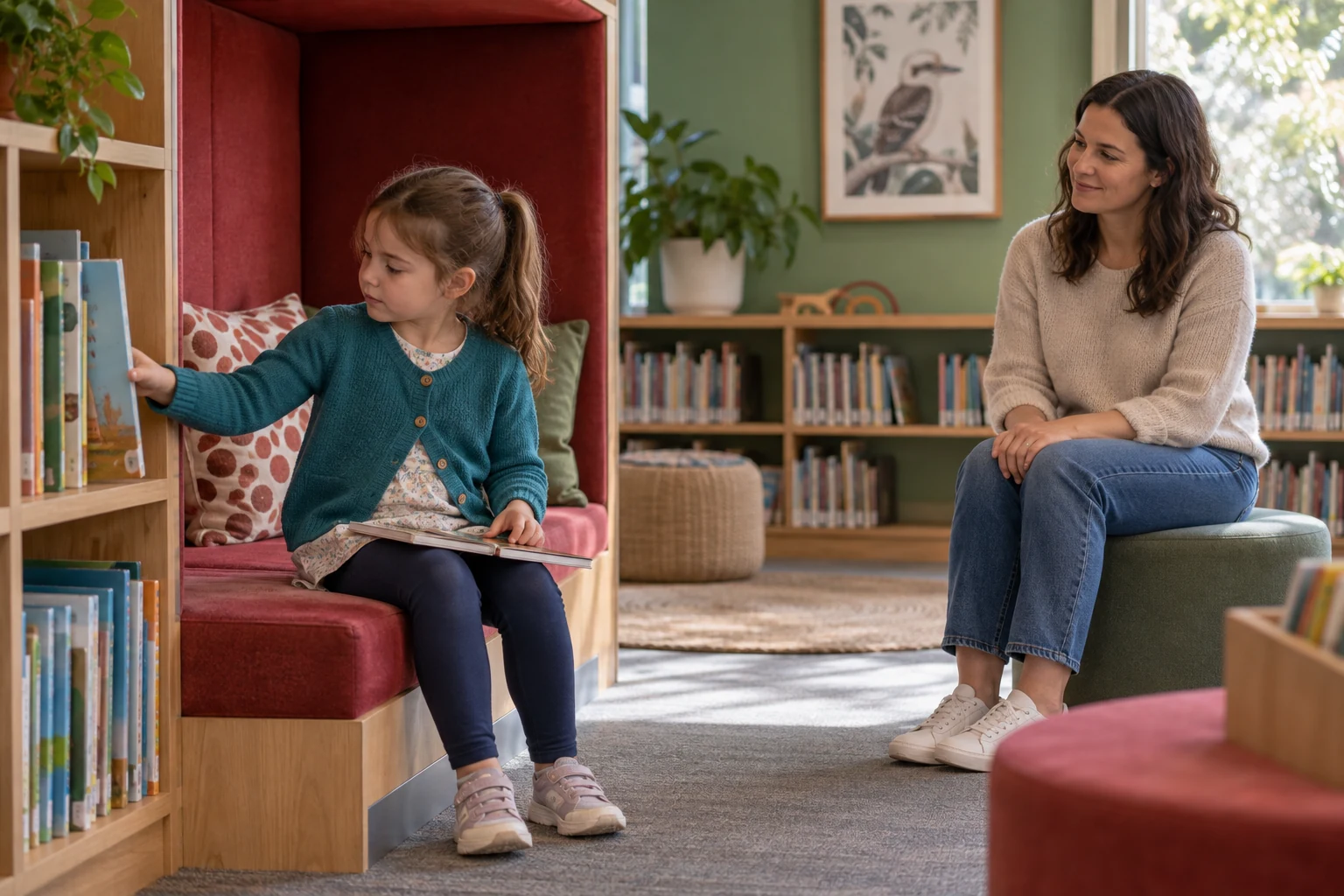
A child choosing a book with a practitioner nearby.

Supporting Everyday Routines

Everyday routines create valuable opportunities for development.
Families may learn strategies that can be incorporated into:
  • Mealtimes
  • Getting dressed
  • Bath time
  • Bedtime
  • Leaving the house
  • Shopping
  • Playing
  • Reading
  • Community activities
  • Getting ready for childcare or school
The aim is to make developmental support part of everyday family life rather than something that only happens during appointments.
A parent and child choosing produce together.

Helping Families Prepare for School

Parent workshops can also support families preparing for the transition to school.
Topics may include:
  • Following routines
  • Communicating needs
  • Group participation
  • Social interaction
  • Independence
  • Self-help skills
  • Emotional regulation
  • Transitions between activities
  • Building confidence in new environments
Families can learn practical ways to support these skills before and during the transition to school.
A child walking towards school with a parent.

Learning From Other Families

Workshops can also provide opportunities for parents and carers to hear different perspectives and learn from shared experiences.
Families may discuss:
  • What has worked well
  • Common challenges
  • Different approaches
  • Ideas for everyday routines
  • Questions they would like to explore
These conversations can help families feel more connected and supported.
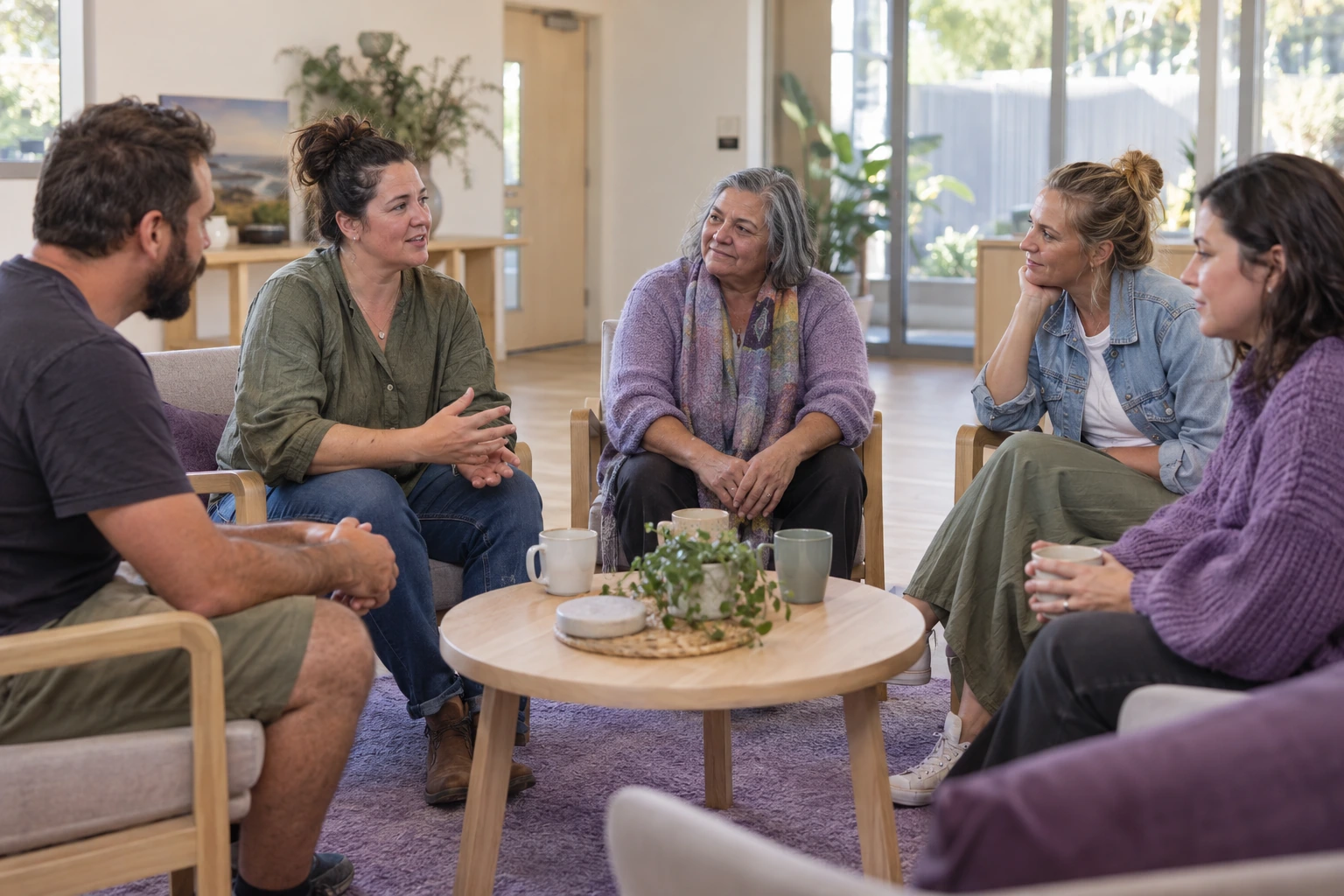
Parents and carers sharing experiences in a peer group.

Family-Centred and Strengths-Based

We recognise that there is no single strategy that works for every child or every family.
Our workshops encourage families to consider:
  • Their child's strengths
  • Their child's interests
  • Family values
  • Culture
  • Everyday routines
  • Communication preferences
  • What is realistic for the family
Rather than expecting families to follow a rigid approach, we help them identify strategies that are practical and meaningful.
A family exploring leaves together in a garden.

Culturally Responsive Workshops

We aim to make parent education accessible to families from diverse cultural and linguistic backgrounds.
Where appropriate and available, support may include:
  • Multilingual practitioners
  • Bicultural workers
  • Qualified interpreters
  • Culturally responsive resources
  • Accessible explanations and examples
Families are encouraged to ask questions and discuss how information may apply within their own cultural and family context.
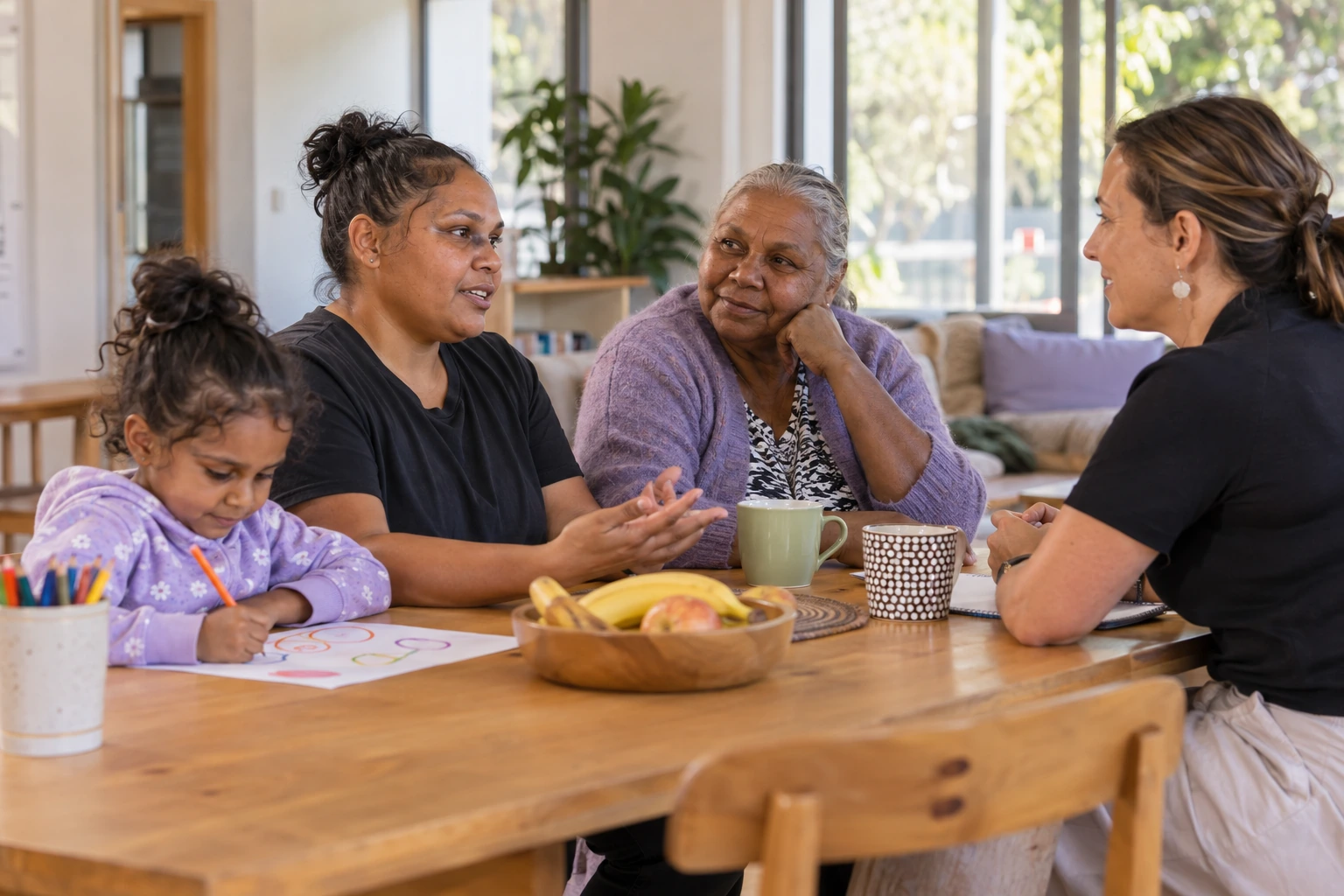
Family members speaking with a practitioner while their child draws.

How Often Do Workshops Run?

Parent Education Workshops are designed to run fortnightly, with sessions generally lasting around 90 minutes.
Topics can be adapted according to family interests, identified needs and local community priorities.
Session times and availability may vary by location.

Where Are Workshops Held?

Workshops may be delivered in accessible community and family-friendly settings such as:
  • Community centres
  • Child and Parent Centres
  • Libraries
  • Early childhood settings
  • Schools
  • Partner venues
  • Other suitable community locations
Online options may also be used where appropriate to improve accessibility.
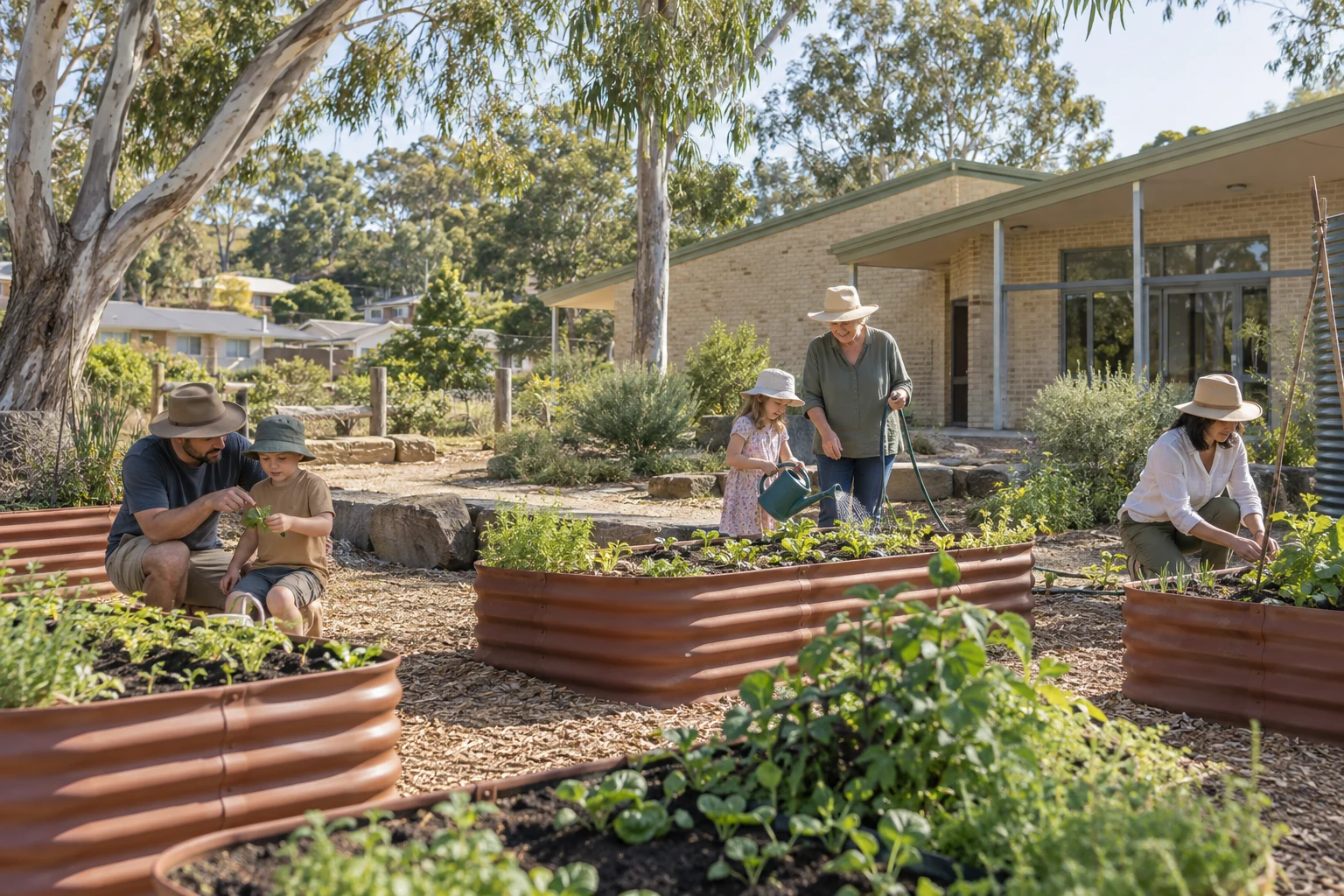
Families taking part in a community garden activity.

Individual Guidance After Workshops

Some families may have questions that are specific to their child.
Where available, parents and carers may be able to access individual consultations following group activities to:
  • Discuss concerns
  • Review family goals
  • Ask questions
  • Receive individual guidance
  • Explore whether additional support may be helpful
A parent considering support options during a relaxed first conversation.

What Parents Can Expect

Families attending a workshop can expect:
  • Clear and practical information
  • Respectful discussion
  • Opportunities to ask questions
  • Strategies for everyday situations
  • A strengths-based approach
  • Information that can be adapted to their family
  • A welcoming and inclusive environment
  • Guidance on possible next steps
Practitioners sharing ideas at a community workspace.

Not Sure Which Workshop Is Right for You?

You do not need to know exactly what topic or type of support you need before contacting us.
Our team can talk with you about:
  • Your child's strengths
  • Your concerns
  • Everyday challenges
  • Your family's priorities
  • Topics you would like to understand better
We can then help identify relevant workshops or other suitable support options.
A parent discussing support options with a coordinator.
Final Call to Action

Practical Knowledge. Greater Confidence.

Our Parent Education Workshops are designed to give families useful information and practical strategies they can apply in everyday life.
If you would like to learn more about upcoming workshops or discuss which topics may be most relevant to your family, contact our team.
Buttons